Testimonials
Services
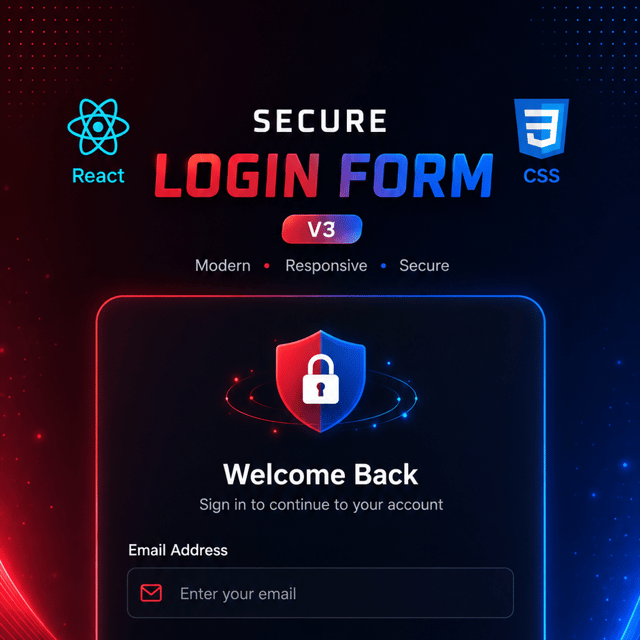
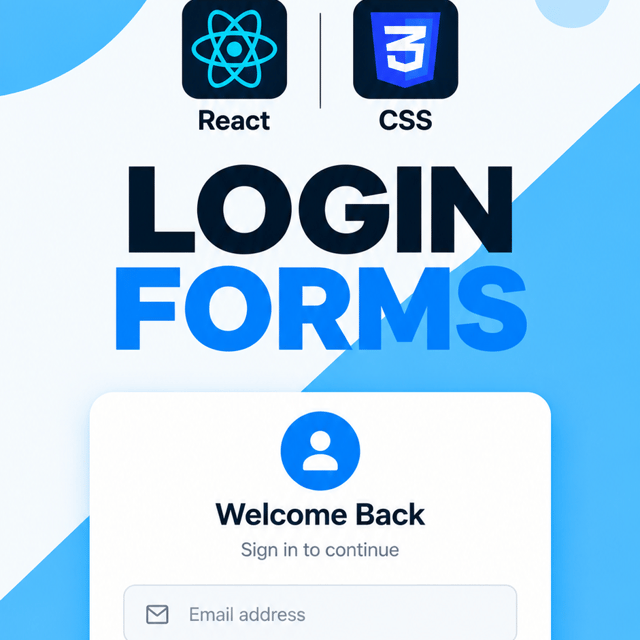
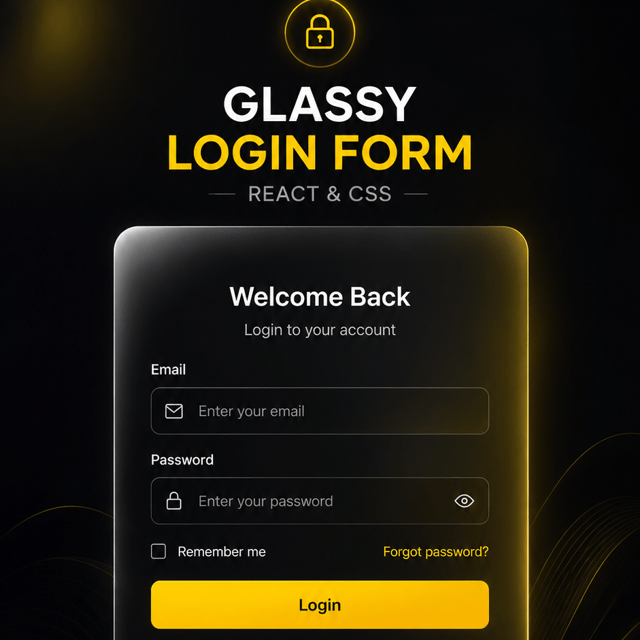
login page v5
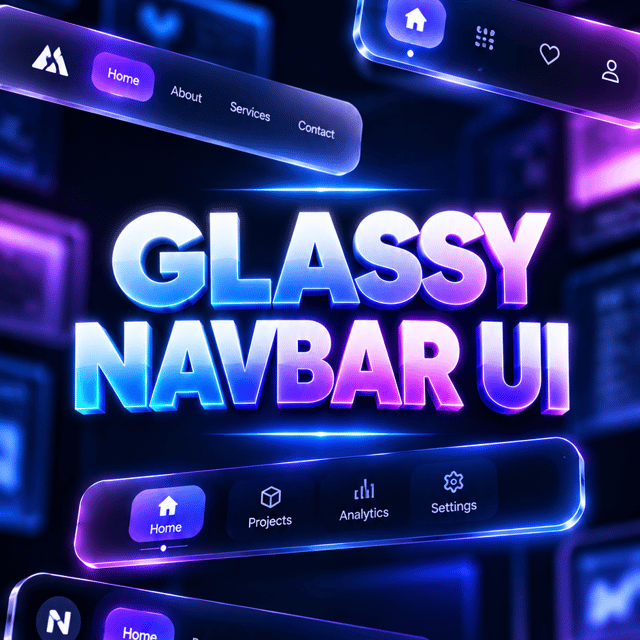

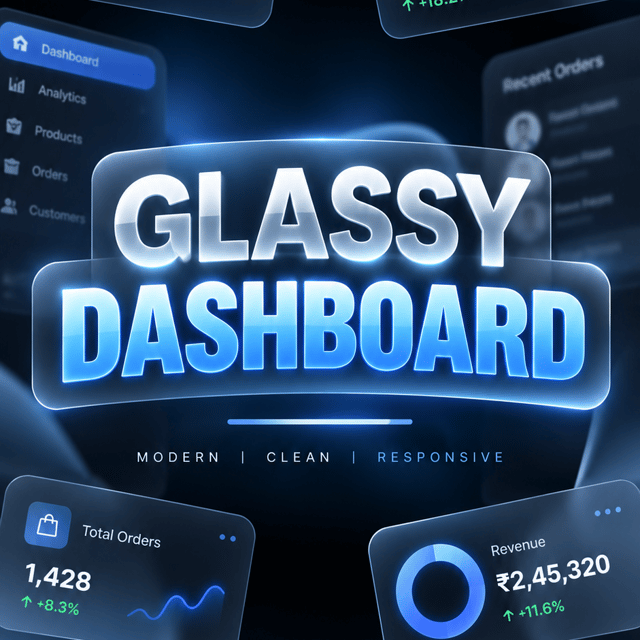

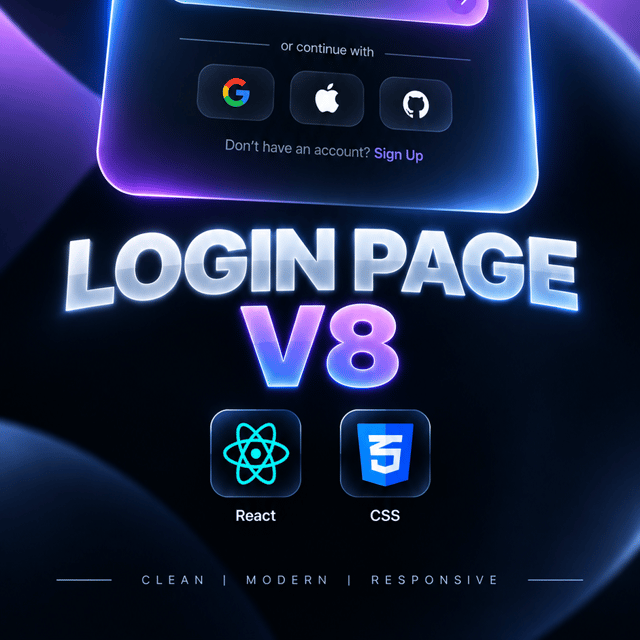
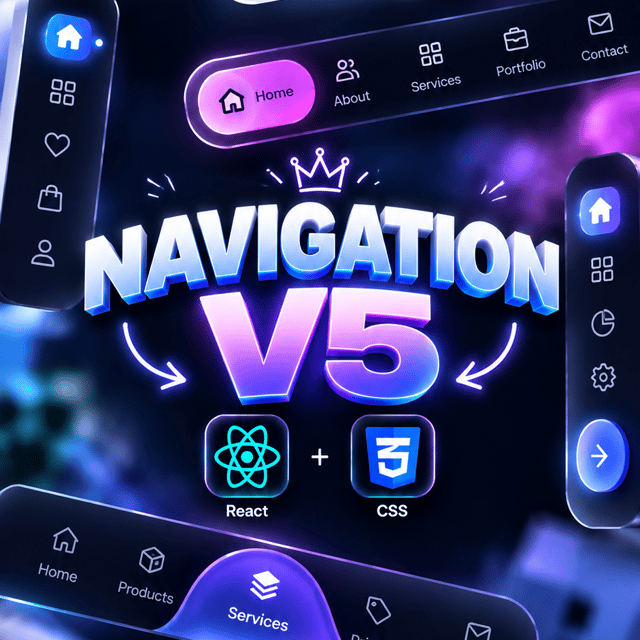
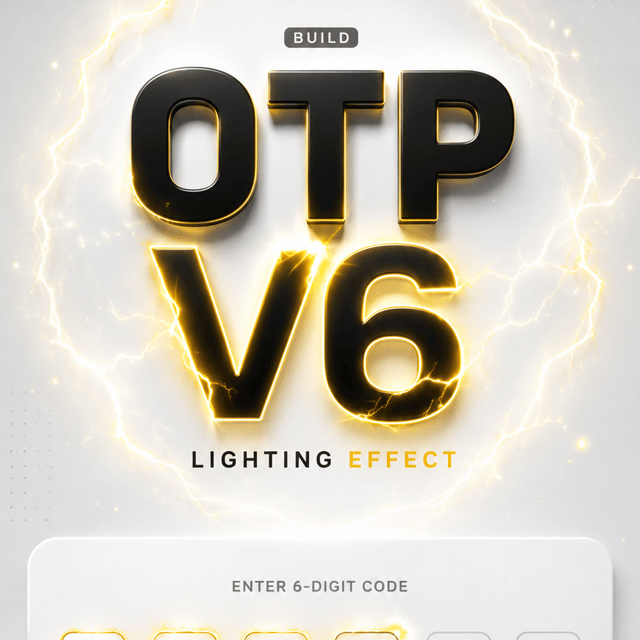
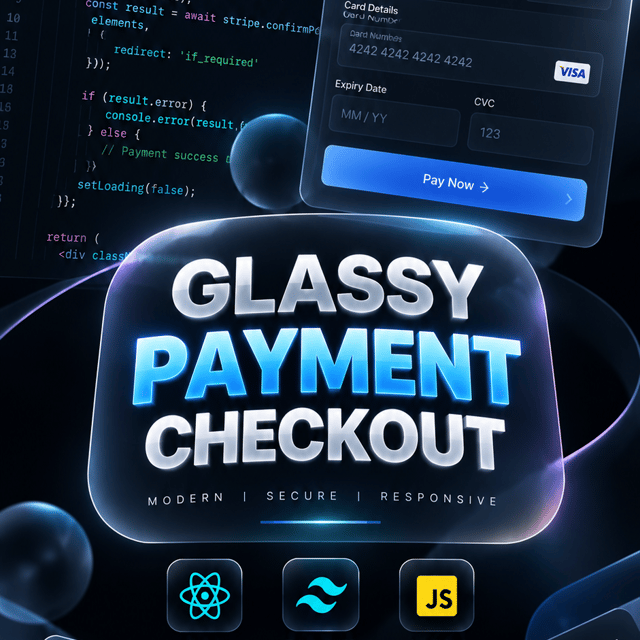
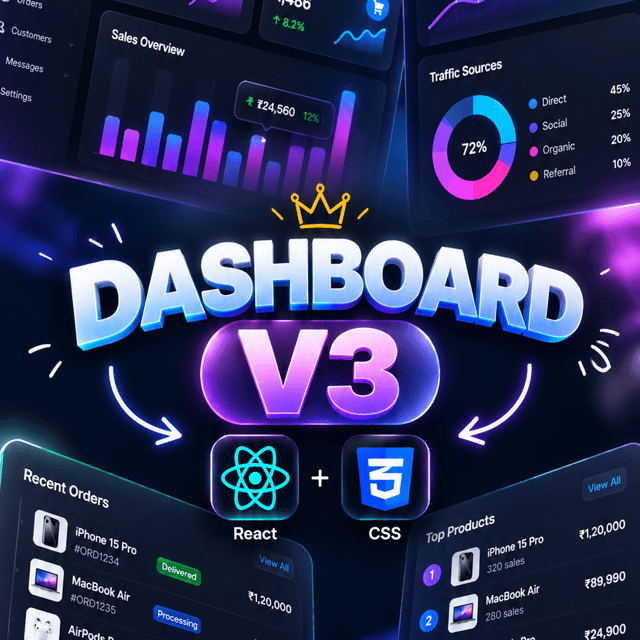
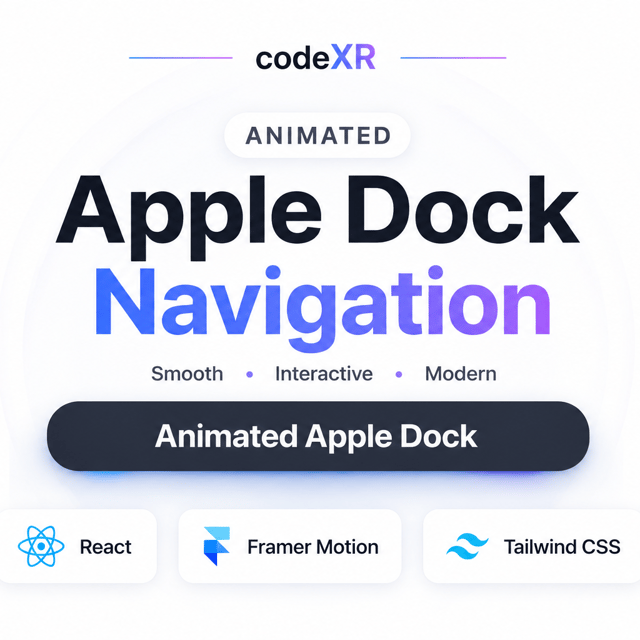
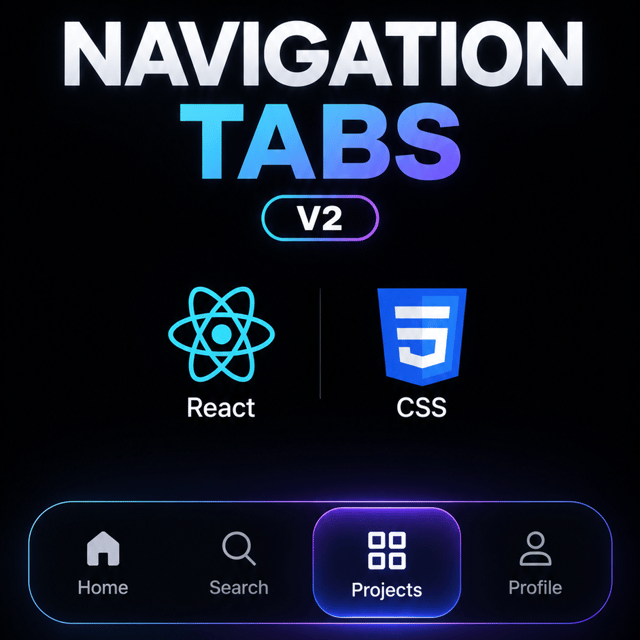
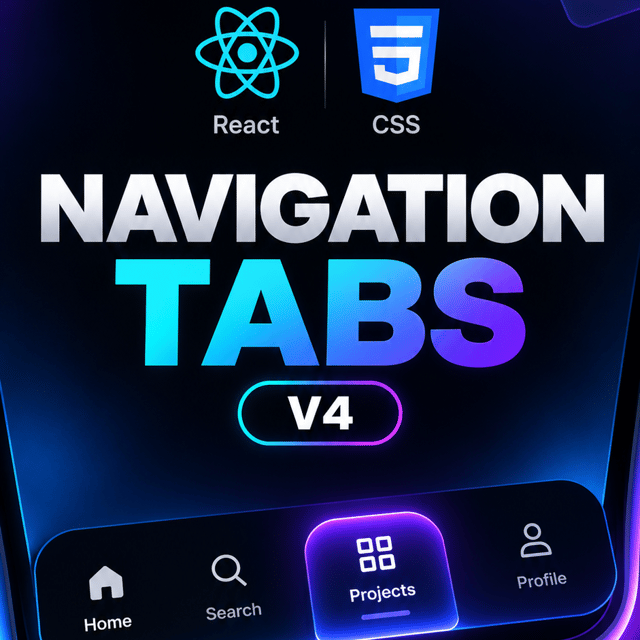
Navigation tabs v10
Complete Source Code
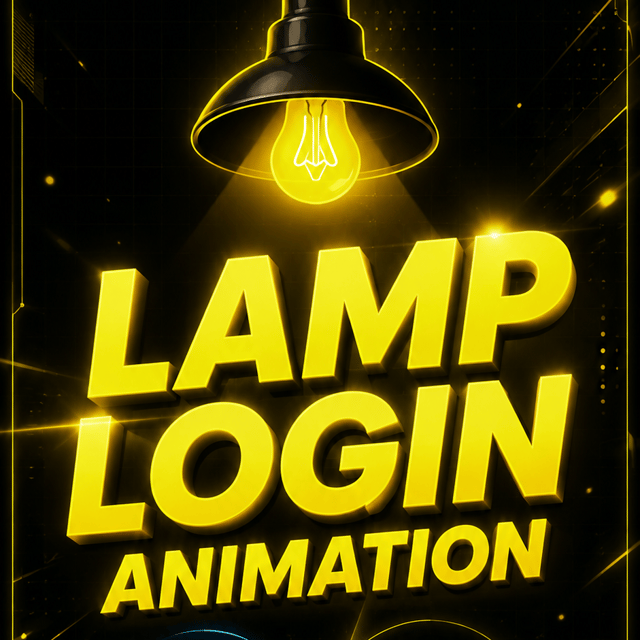
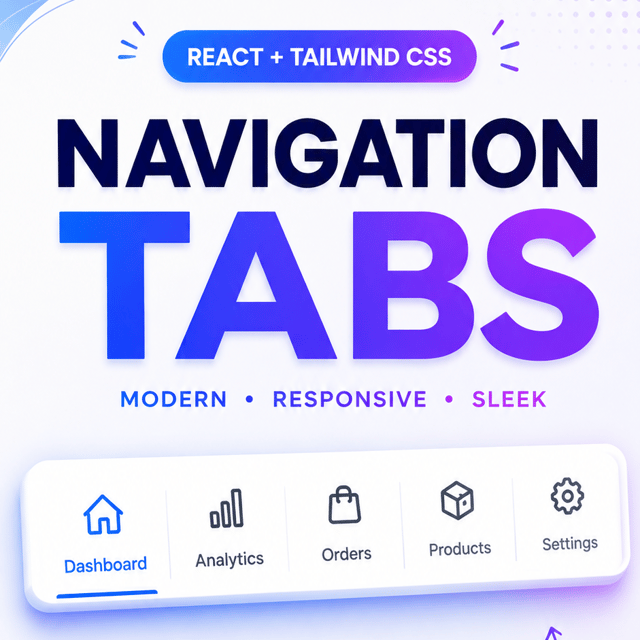
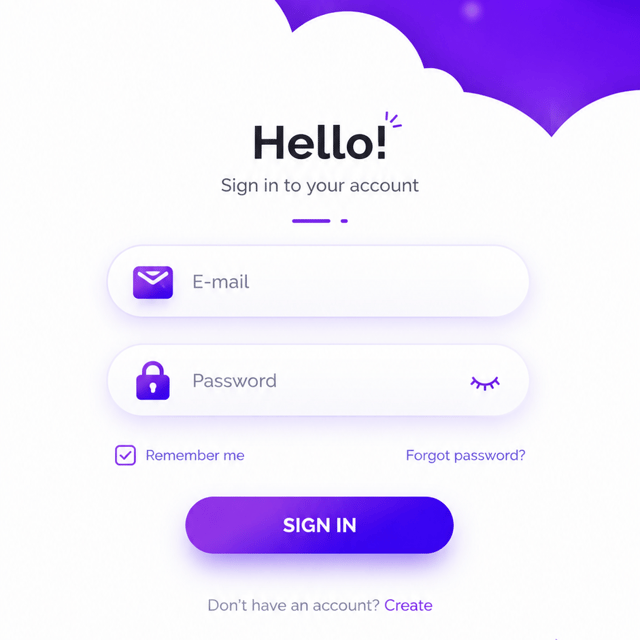
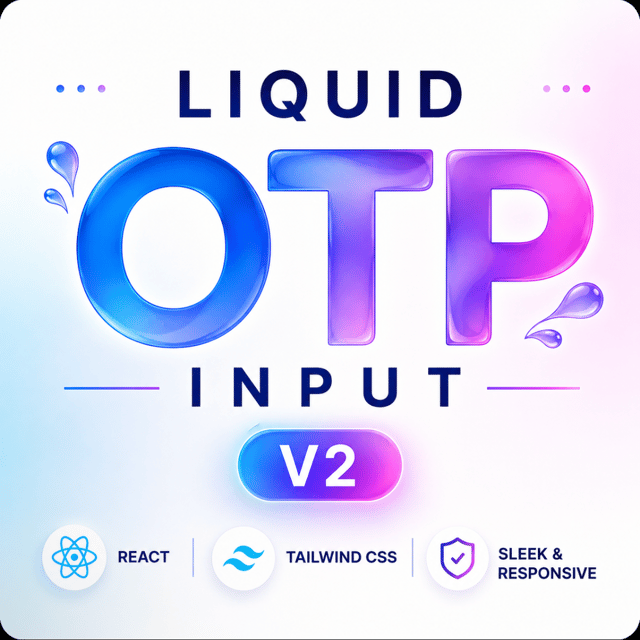
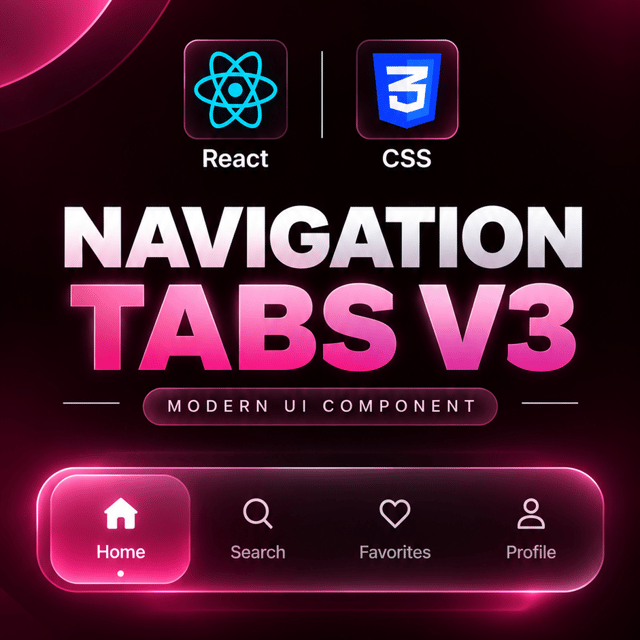
Login v7
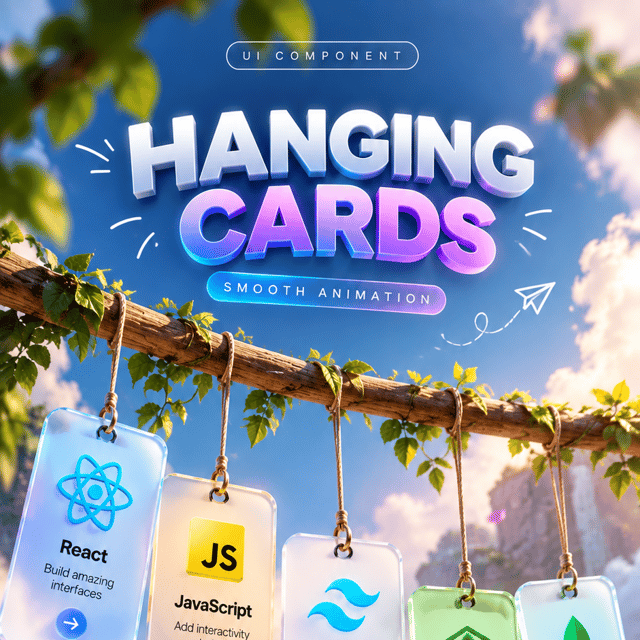

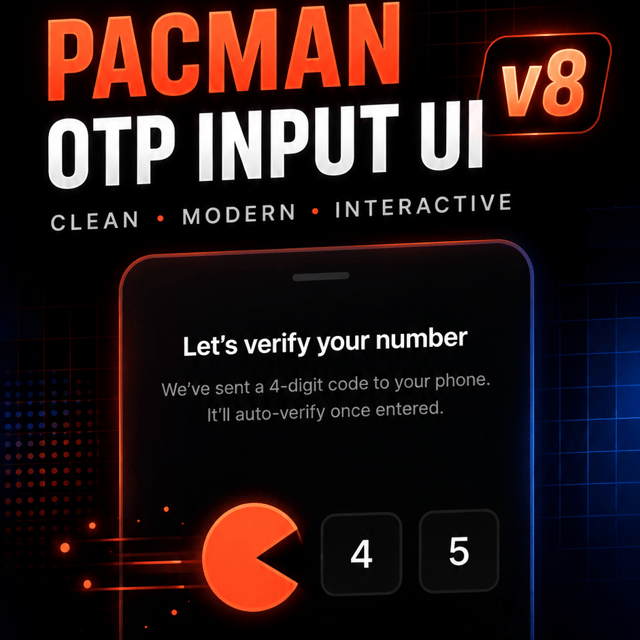
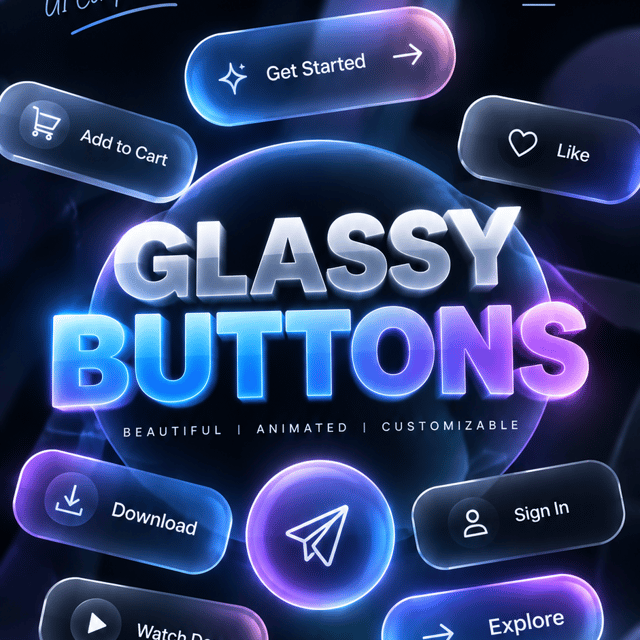
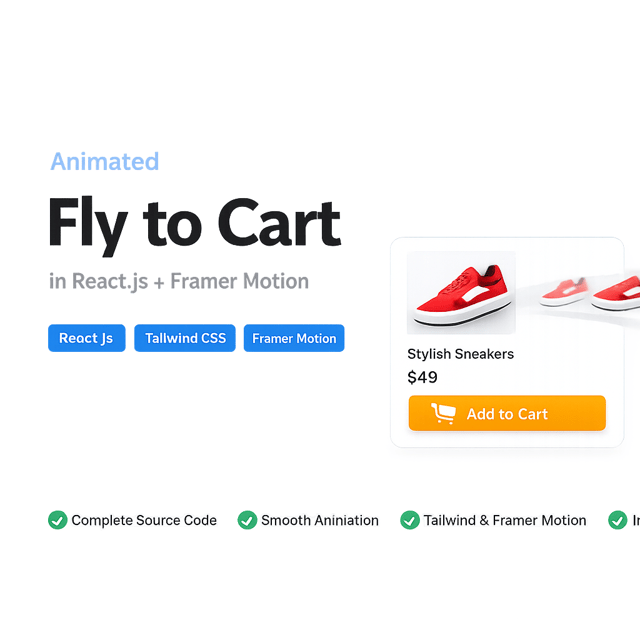
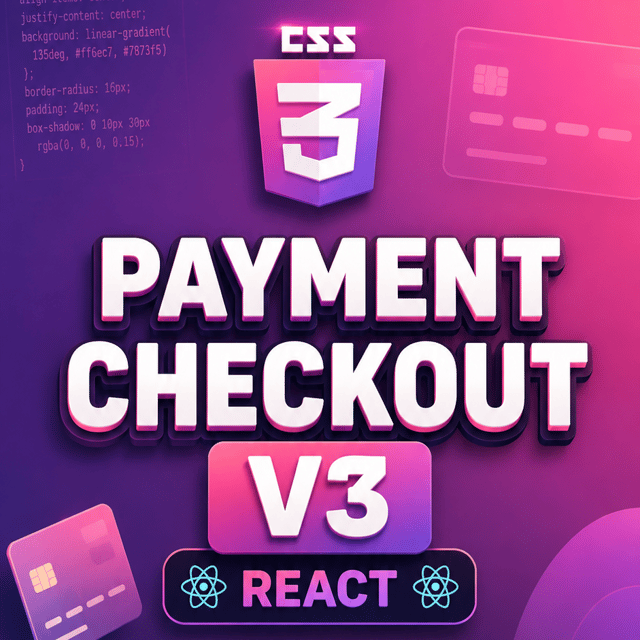
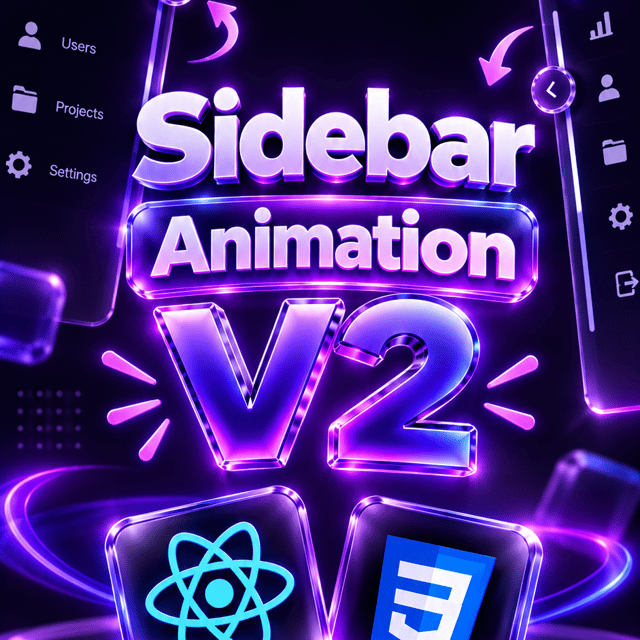
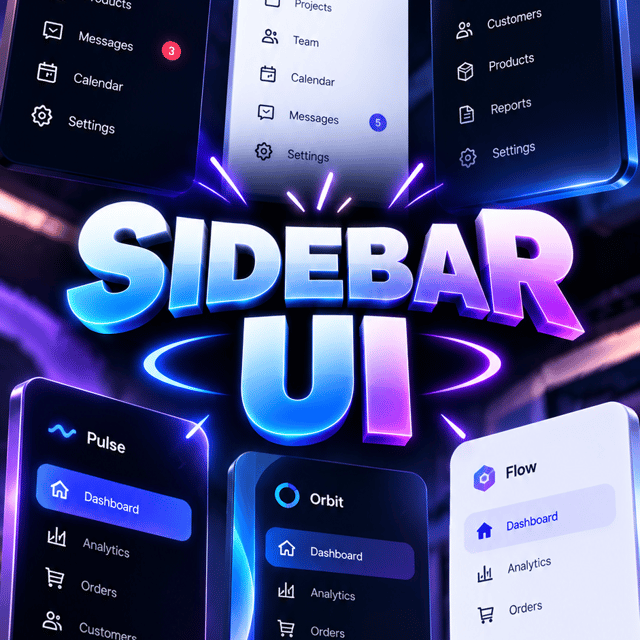
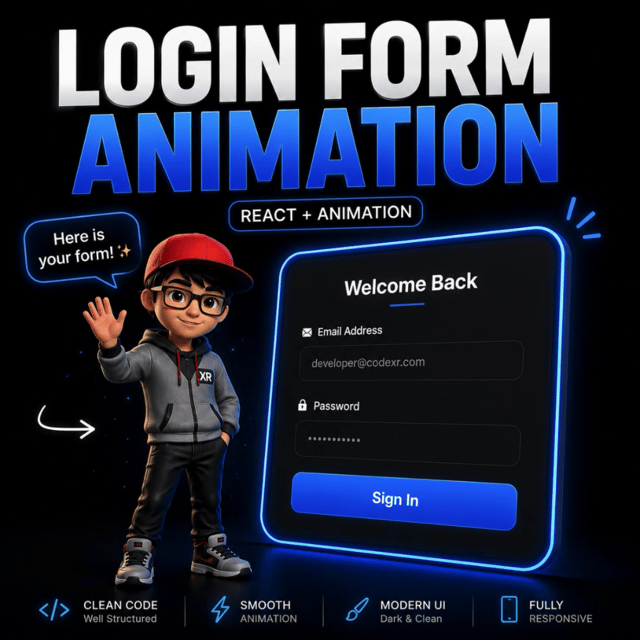
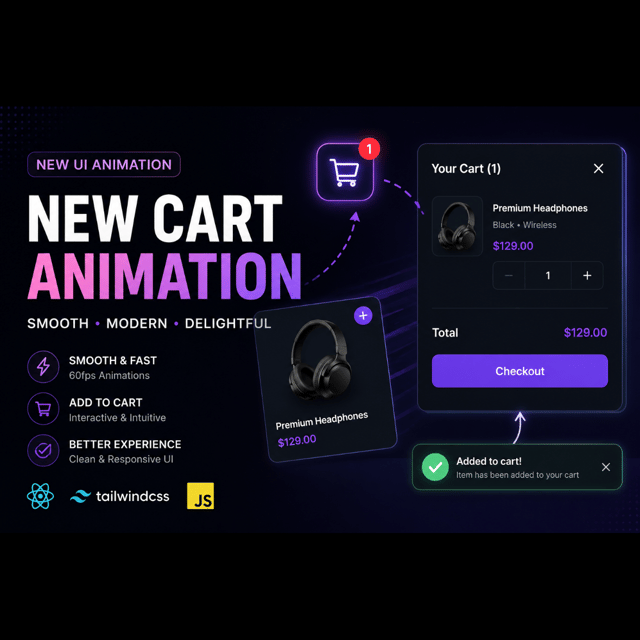
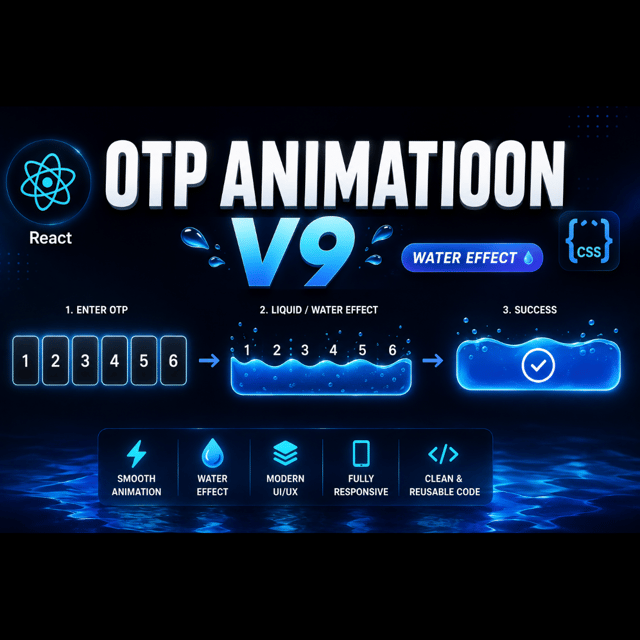

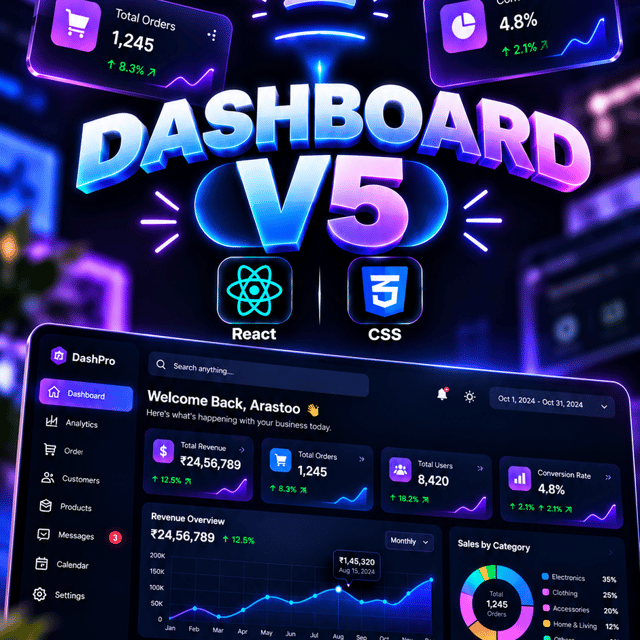
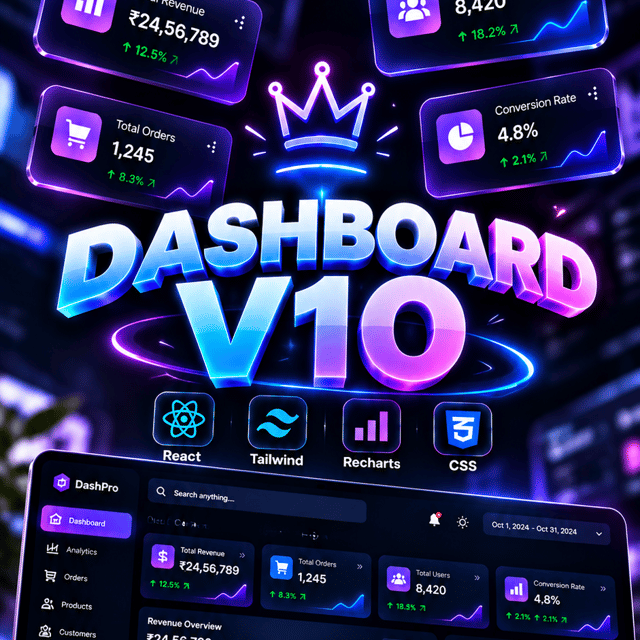
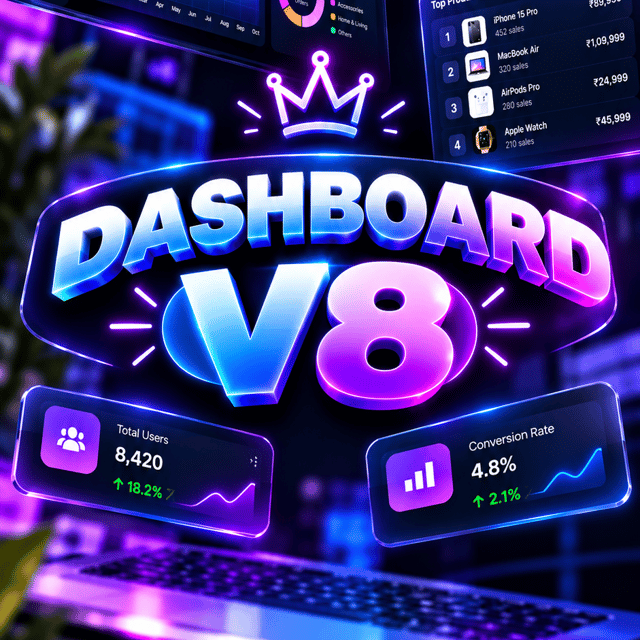

full source code 2.0
About me
Frequently asked questions
What are React UI components?
React UI components are reusable pieces of interface — such as buttons, login forms, OTP inputs, navigation tabs, modals, and checkout screens — that you can plug into any React project. Since they are built once and reused everywhere, they save development time and keep your design consistent across the entire app.
Is React a UI framework?
React is technically a JavaScript library for building user interfaces, not a full UI framework. Unlike Angular or Vue, it only handles the view layer, so developers pair it with separate tools for routing, state management, and styling — or use ready-made React UI components to speed up development.
How to test React UI components?
You can test React UI components using tools like Jest and React Testing Library, which verify that components render correctly, respond to clicks, and handle user input as expected. For visual and animated components, Storybook is useful because it lets you preview each component in isolation before shipping it.
Which React UI components library should I use?
If you need a complete design system, MUI and Chakra are dependable choices, while shadcn/ui is popular among Tailwind users. Many developers, however, prefer a curated React UI components library focused on ready-made pieces like login forms, OTP screens, and checkout flows, because it saves weeks of building these flows from scratch.
Where can I find free React UI components?
Free React UI components are available on GitHub, the shadcn/ui registry, and developer communities that share code publicly. Studying open source React UI components is a great way to learn how things are built, but for production apps, premium ready-made components with clean, documented code usually save far more time.
What are some React UI components examples for real projects?
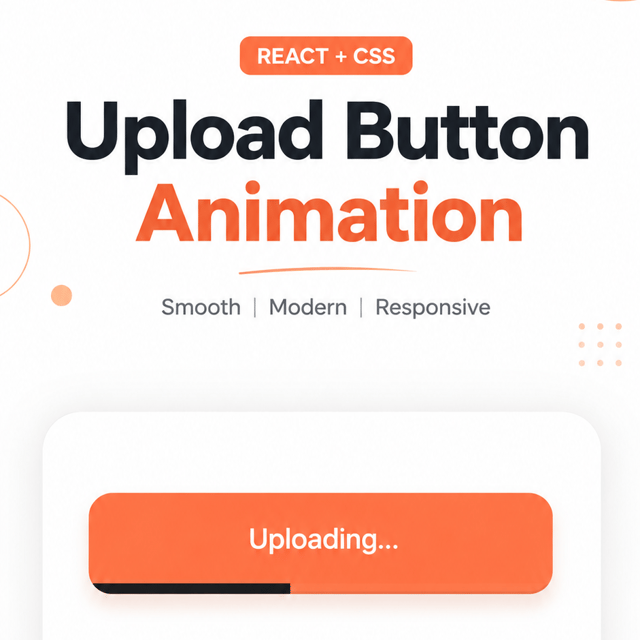
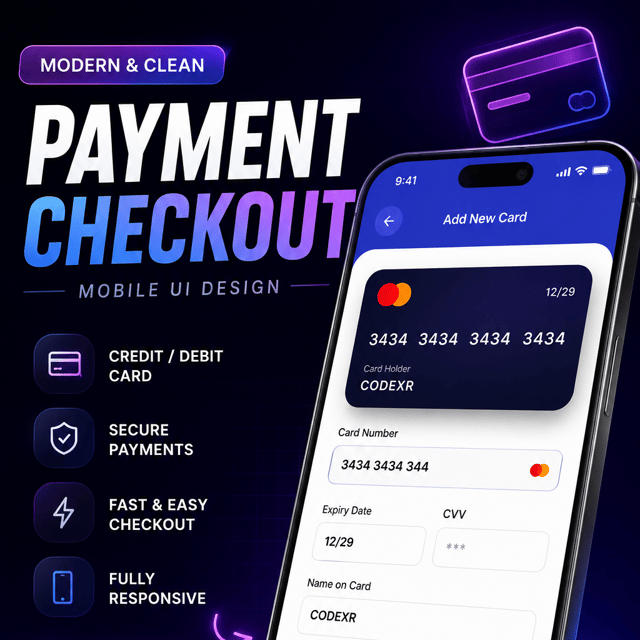
Common examples include animated login forms, OTP verification inputs, payment checkout screens, cart animations, upload buttons, navigation tabs, and scroll animations. These are the screens users interact with most, so polishing them has a direct impact on how professional and trustworthy your app feels.
How do I build React UI components with Tailwind?
Start with one small component — a button or a login card — and style it using Tailwind utility classes directly in your JSX. Once the layout works, layer in animations with CSS transitions or Framer Motion. Building React UI components with Tailwind this way keeps them lightweight, customizable, and easy to reuse across projects.
What is MERN stack development?
MERN stack development means building full stack web applications using MongoDB, Express.js, React, and Node.js — four JavaScript-based technologies that together cover the database, backend, and frontend. Because everything runs on one language, developers can build complete production-ready apps, including SaaS platforms, end to end.
How to learn MERN stack development as a beginner?
Begin with HTML, CSS, and JavaScript fundamentals, then move to React for the frontend, followed by Node.js, Express, and MongoDB for the backend. Build progressively bigger projects — a login system, a to-do app, then a full SaaS dashboard — and study free MERN stack development courses along with real source code to see how all the pieces connect.
How to become a MERN stack developer in India?
Learn the full stack through consistent project work, publish everything on GitHub, and build a portfolio with two or three production-quality applications. Most companies hiring MERN stack developers in India care far more about real projects and strong React and Node.js skills than certificates, so building and shipping actual products matters most.
What is the average MERN stack developer salary in India?
The MERN stack developer salary in India typically ranges from roughly ₹4–6 LPA for freshers, ₹8–15 LPA with 2–4 years of experience, and ₹18 LPA or more at senior levels. Salaries are highest in cities like Bengaluru, Hyderabad, Pune, and Gurugram, and developers who can ship complete production applications command the top of the range.
What is a good MERN stack development roadmap for beginners?
A practical MERN stack development roadmap starts with frontend fundamentals (HTML, CSS, JavaScript), then React, followed by Node.js and Express for APIs, and MongoDB for the database. After that, learn authentication, payment integration, and deployment, then build two or three full stack projects — that progression is exactly what most interviewers in India expect.
Is a MERN stack development internship worth it for freshers?
Yes — a MERN stack development internship exposes you to code reviews, Git workflows, deadlines, and production bugs that tutorials simply cannot teach. Even a two to three month internship strengthens your resume considerably, and many Indian companies convert well-performing interns into full-time developers.
Which front end animation library should I use?
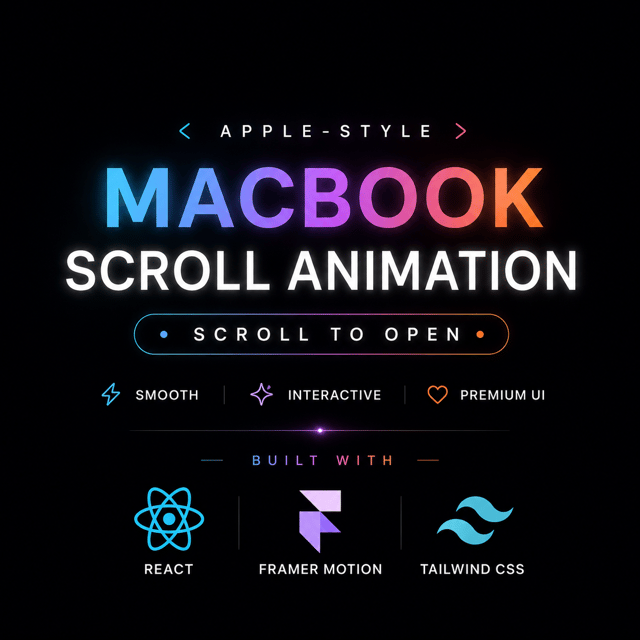
Framer Motion is the most widely used front end animation library for React because it handles gestures, layout transitions, and scroll-based animations with very little code. GSAP is the better pick for complex, timeline-driven animations, while plain CSS transitions are enough for simple hover and entrance effects.
Where can I get free frontend animations with source code?
You can find free frontend animations on CodePen, GitHub, and UI communities where developers share their experiments. The catch is that free snippets often need significant rework before they are production-ready, so premium animation source code that is clean, documented, and copy-paste-ready is usually the faster route to a polished result.