Testimonials

About me
Frequently asked questions
What is ICF leadership coaching?
ICF stands for the International Coaching Federation, the world's largest credentialing body for professional coaches. ICF leadership coaching simply means leadership coaching delivered by a coach credentialed by the ICF, at levels such as ACC, PCC or MCC, which signal verified training hours, ethical standards and coaching competence. That said, ICF is not the only respected route — many accomplished leadership coaches in India and worldwide are certified through other internationally recognised programs. Treat credentials as one filter, and weigh the coach's experience with leaders, their approach and their client outcomes just as heavily.
How do I find good leadership coaching near me?
Search Google Maps and coach directories for leadership coaching near me, then shortlist coaches whose profiles show experience working with leaders or founders. Check their credentials, certifications and client reviews, and see whether they offer a short discovery call before you commit. In India, metros like Bengaluru, Mumbai, Delhi NCR and Hyderabad have strong coaching ecosystems, but don't limit yourself by location — most leadership coaching today happens over video calls, so the right coach for you may not be in your city. What matters most is fit: someone you trust, who asks sharp questions and follows a clear, structured process.
What are the common leadership coaching topics?
Common leadership coaching topics include clearer decision-making, overcoming indecision, managing stress and preventing burnout, emotional regulation under pressure, communication and feedback skills, delegating and leading teams, handling conflict, career transitions and promotions, and building confidence and executive presence. A good coach doesn't force a fixed syllabus — goals are set in the first session and each session is built around the situation you're facing, whether that's a difficult stakeholder, a growth decision or sheer exhaustion.
What is mindfulness meditation and how to do it?
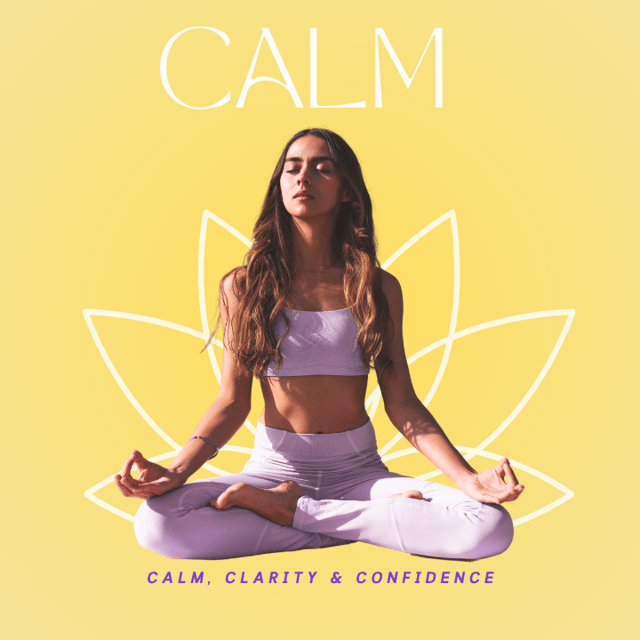
Mindfulness meditation is the practice of paying deliberate, non-judgemental attention to the present moment — your breath, bodily sensations, sounds and thoughts. To do it, sit in a quiet place for five to ten minutes, close your eyes and bring your attention to your breath. When your mind wanders — and it will, constantly — simply notice it and gently return your attention to the breath. That noticing-and-returning is the entire exercise; you are training attention, not emptying the mind. Practise daily at a fixed time, ideally in the morning, and extend the duration gradually.
What are the main mindfulness meditation benefits?
Well-documented mindfulness meditation benefits include lower stress and anxiety, improved focus and attention, better emotional regulation, improved sleep quality, reduced reactivity in difficult conversations and greater mental clarity for decisions. Many regular practitioners also report feeling less mentally cluttered and more present at work and home. The benefits are dose-dependent — a few minutes daily beats a long session once a week, and most people notice meaningful changes within a few weeks of consistent practice.
What is a simple mindfulness meditation for beginners?
Start with a breath-focused practice. Sit comfortably, set a timer for five minutes and count each exhale from one to ten, then repeat. If you lose count, start again at one without self-criticism. That's it — a complete mindfulness meditation for beginners needs nothing more than your breath and a timer. Keep expectations realistic: the goal is not a blank mind but noticing when it wanders. Five minutes daily for two weeks will teach you more than one 30-minute session, and guided audio can help until the habit feels natural.
Which mindfulness meditation techniques are best for daily practice?
The most reliable mindfulness meditation techniques for daily practice are breath awareness (anchoring attention on the sensation of breathing), the body scan (moving attention slowly from head to toe), noting (silently labelling thoughts as "thinking", "planning" or "worrying"), mindful walking and the 5-4-3-2-1 sensory exercise for moments of high stress. Rather than rotating techniques daily, pick one and practise it for two to three weeks — depth of practice matters more than variety.
Does mindfulness meditation help with anxiety?
Yes. Mindfulness meditation for anxiety is one of the most studied approaches in this field, and it helps in two ways: physiologically, slow focused breathing calms the nervous system's stress response; mentally, the practice teaches you to observe anxious thoughts as passing mental events rather than facts, which weakens the spiral of worry. It works best as a daily practice rather than an emergency tool used only during anxious moments. One important caveat: for diagnosed anxiety disorders, use it alongside professional treatment, not as a replacement.
Can I learn mindfulness meditation in Hindi?
Yes. Mindfulness is a skill of attention, not a language, so the practice itself is identical whether the instructions come in Hindi or English. There is a wide range of guided mindfulness meditation in Hindi — apps, YouTube channels and Indian teachers offering live sessions — so choose whichever language lets you follow instructions effortlessly and stay with the practice. For many people across India, learning in Hindi or in a mix of Hindi and English also makes it easier to explain the practice to family members and practise together.
What are burnout symptoms and side effects?
Core burnout symptoms show up in three clusters: exhaustion (constant tiredness that rest doesn't fix), detachment or cynicism towards your work ("why does any of this matter?") and a sense of ineffectiveness (feeling you're underperforming no matter how hard you try). Physical side effects often include disturbed sleep, frequent headaches, falling sick often, appetite changes and muscle tension, while mental side effects include irritability, difficulty concentrating, anxiety and low mood. If several of these have persisted for a few weeks, treat it as a signal to change how you're working, not just how you're resting.
How long does burnout recovery take?
There's no single answer — burnout recovery time depends on how severe it is and how early you intervene. Mild, recent burnout can lift in a few weeks with genuine rest and reduced load; moderate burnout typically takes one to three months of sustained changes; severe burnout that has built up over years can take six months to a year or longer. Two things most affect the timeline: whether you actually reduce the load that caused it, and whether you address root causes like chronic overwork, poor boundaries or constant indecision instead of only managing symptoms.
What are the burnout recovery stages?
Most people move through five broad burnout recovery stages: first, acknowledging you're burnt out and stopping the "push through it" approach; second, rest and stabilisation — protecting sleep, stepping back from load and seeing a doctor if physical symptoms are severe; third, rebuilding basics — food, movement, time offline and reconnecting with people; fourth, addressing the root causes such as workload, weak boundaries, people-pleasing or chronic indecision; and fifth, returning to work with sustainable habits and early-warning signs you actively monitor. Recovery isn't perfectly linear — a bad week doesn't mean you've restarted.
How to speed up burnout recovery?
You can't compress the rest your body needs, but you can remove what slows recovery down. To speed up burnout recovery: cut your workload decisively instead of "roughly" reducing it; make sleep the first priority for two weeks; take a complete break from work notifications; get daily daylight and movement; drop non-essential commitments; and replace mental rumination with a written plan so your mind stops rehearsing work stress. The biggest accelerator is addressing the actual cause — an unsustainable schedule, unmanaged stress or constant indecision — with support from a doctor, therapist or coach if you're stuck.
How do I create a burnout recovery plan?
Write it down — a plan that lives only in your head is a wish. An effective burnout recovery plan has six parts: (1) an honest assessment of your symptoms and energy levels, including a doctor's check if physical symptoms are strong; (2) a rest phase of one to two weeks with a significantly reduced load; (3) hard boundaries, such as fixed stop times and notification-free evenings; (4) daily recovery habits like ten minutes of mindfulness, a walk and proper meals; (5) a root-cause review of what specifically burnt you out — role, workload, boundaries or mindset; and (6) support, whether from a manager, family, therapist or coach. Review it weekly and adjust.
When should I work with a burnout recovery coach?
Consider a burnout recovery coach when exhaustion has lasted weeks despite rest, you keep falling back into the same overwork patterns, your health, relationships or performance are clearly suffering, and self-help alone isn't shifting anything. A coach brings structure and an outside perspective: helping you identify what is actually draining you, rebuild boundaries, regulate your stress response and restore your energy with accountability. One caveat: coaching complements medical care, it doesn't replace it — if you have symptoms of clinical depression or anxiety, involve a doctor or therapist as well.