Services
Priority DM . 2 days reply
Video meeting . 15 mins
Discovery Call
Quick 15-min call to explore your needs and how I can help.
Video meeting . 60 mins
Let's Talk: Designing Visualizations That Work
Learn how data visualizations can explain, not confuse.
Video meeting . 60 mins
Let's Talk: Making Complex Findings Understandable
Turn complex data into clear, compelling presentations.
Video meeting . 60 mins
Let's Talk: Personal Growth and Goal-Setting
Tailored guidance on goal-setting, motivation, and growth.
Video meeting . 60 mins
Let's Talk: Personal Branding & Aesthetic Strategy
Brainstorm a brand (visuals+messaging) that feels like you!
Priority DM . 2 days reply
Video meeting . 60 mins
Let's Talk: Digital Health, AI & Wearables
Discuss health models, wearables, and predictive analytics.
Video meeting . 60 mins
Let's Talk: Storytelling That Captivates
Public speaking made simple— tell a story that sticks.
Video meeting . 60 mins
Let's Talk: Mindset Shifts for High-Achievers
Reframe self-doubt and imposter syndrome; own your success.
Video meeting . 60 mins
Let's Talk: Art for Self-Expression & Wellness
Use art as a tool for self-expression, wellness, & clarity.
About me
Bryn Loftness is the CEO and Co-Founder of Biobe (pronounced Bio·be). Currently she is a PhD candidate in the Complex Systems and Data Science program at University of Vermont and a National Science Foundation Graduate Research Fellow. The data she works with are primarily biological and behavioral signals derived from on-body and off-body sensors, health, and/or contextual records.
Bryn engages in a wide variety of research across her collaborations, with an overall vision for developing novel computational methods supporting the betterment of community, physical, and mental health across populations. Bryn most prominently contributes to evolving cutting edge research broadening the availability, objectivity, and precision of early childhood mental health screening and intervention using biobehavioral data. She envisions the application of these new technologies to revolutionize the modern mental health systems— starting when children have the highest chance of long-term success.
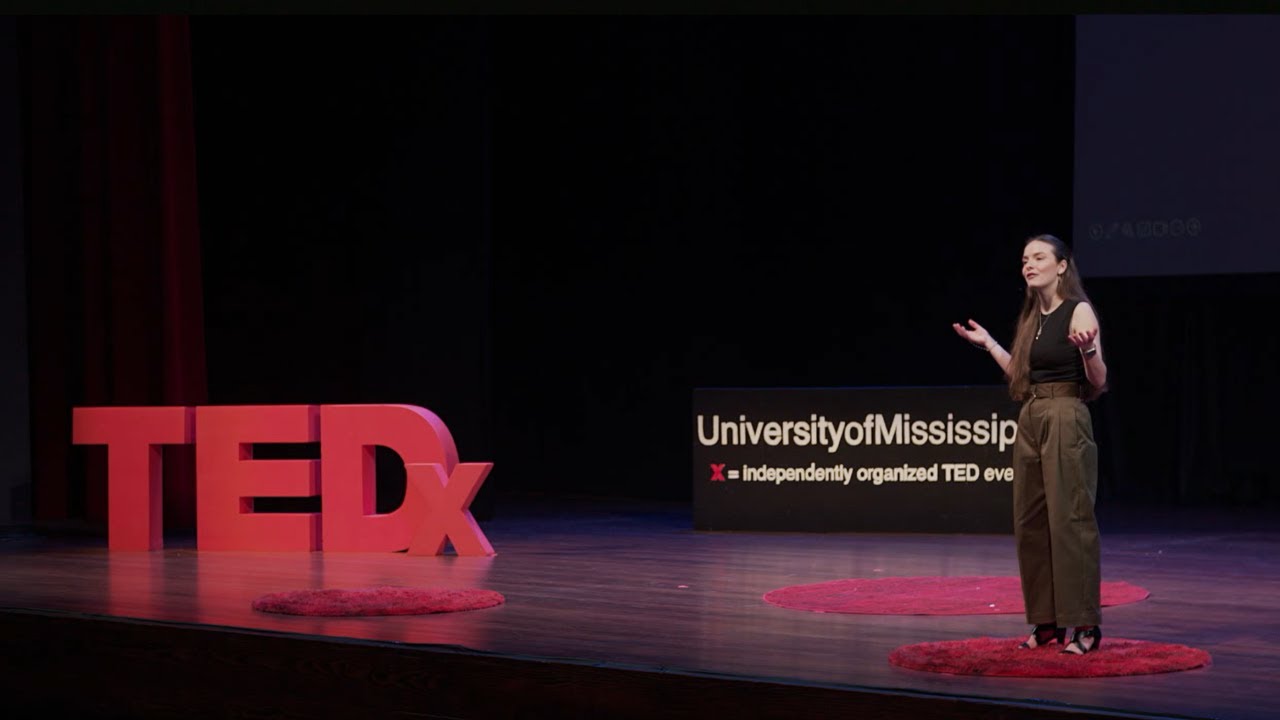
- How AI can improve childhood mental health care | Bryn Loftness | TEDx - YouTubehttps://www.youtube.com/live/lvCoGD-EnyQ?reload=9
- BRYN LOFTNESS - Homehttps://www.brynloftness.com

- Uncovering the Digital Footprints of Anxiety in Young Childrenhttps://www.uvm.edu/uvmnews/news/uncovering-digital-footprints-anxiety-young-children
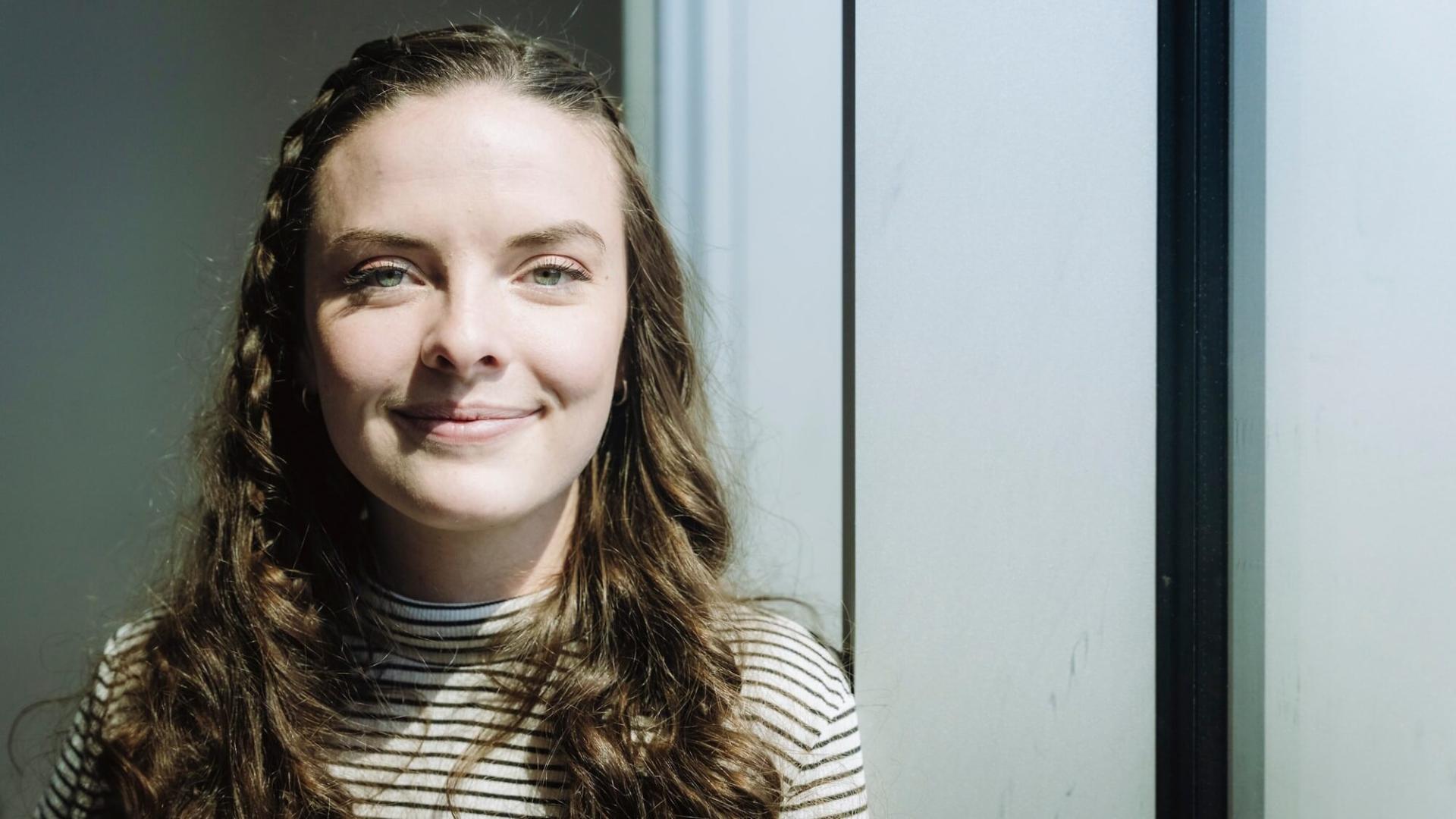
- LinkedIn: Bryn Loftnesshttps://www.linkedin.com/in/bryn-loftness/
