Testimonials
Services
1:1 Mobile & Website Analysis
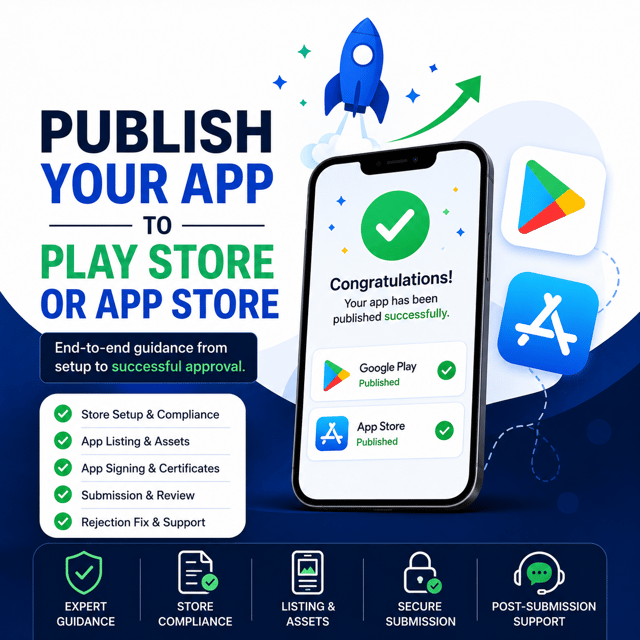
App publishing support
About me
- Bharat is lauded for his tailored mentoring in software development and freelancing, providing impactful guidance.
 AI-generated based on testimonials
Frequently asked questions
How to learn mobile app development as a complete beginner?
Start with one clear path instead of jumping between platforms: learn one programming language properly (Kotlin for Android, Swift for iOS, or JavaScript if you want to build for both platforms using React Native), then use free courses and official documentation to build small apps. Focus on completing 2–3 real projects rather than collecting certificates, because employers and clients look at what you have built. Getting your doubts cleared regularly by an experienced developer shortens the learning curve significantly compared to struggling alone.
How to start mobile app development if I already have an app idea?
Do not jump straight into coding. First validate the idea by confirming that people genuinely face the problem your app solves, then define a minimum viable product (MVP) with only the core features. Next, choose between native and cross-platform development based on your budget and timeline, and get a realistic cost and time estimate before development begins. Many first-time founders lose money building full-featured apps nobody uses, so getting the scope reviewed by an experienced app consultant early is usually worth it.
How much does mobile app development cost in India?
The mobile app development cost in India generally starts around ₹50,000–₹1 lakh for a simple app and can go above ₹10 lakh for complex, feature-rich products. The final price depends on the number of platforms, design complexity, backend setup, third-party integrations, and post-launch maintenance. Freelancers usually cost less than agencies for small and mid-sized projects, so always ask for a written scope and milestone-based estimate before committing.
What is the mobile app development process, step by step?
The standard mobile app development process has six stages: (1) requirement planning and app strategy, (2) UI/UX design with wireframes, (3) development of the app and backend, (4) testing across devices, (5) publishing on the Play Store or App Store, and (6) ongoing maintenance and updates. Understanding these stages helps you set realistic timelines and budget for each phase. Skipping strategy and proper testing is the most common reason apps fail or get rejected from app stores.
Should I hire a mobile app development company or a freelance developer?
A mobile app development company makes sense for large, complex products that need designers, backend developers, and testers working together with long-term support. For MVPs, small business apps, and budget-sensitive projects, a freelance developer is often the better choice — you get direct communication, lower costs, and faster turnaround. In both cases, check past work, confirm who will handle post-launch bugs and updates, and start with a small paid milestone before committing to the full project.
Which mobile app development language should I learn first?
It depends on the platform you want to target: Kotlin for Android, Swift for iOS, and JavaScript (with React Native) or Dart (with Flutter) if you want a single language for both platforms. If your goal is to get hired or start freelancing quickly, JavaScript with React Native is one of the fastest routes because it is beginner-friendly and in demand. Master one language first — the core concepts transfer easily when you pick up the next one.
What is React Native used for?
React Native is used to build real Android and iOS apps with a single JavaScript codebase, which means one team can maintain both versions of an app at a lower cost. It is a solid choice for business apps, e-commerce apps, dashboards, and MVPs. Fully native development is usually preferred only for apps that need heavy animations, deep hardware access, or maximum performance.
React Native vs React — what is the difference?
React is a JavaScript library used to build websites and web app interfaces, while React Native uses the same component-based approach to build actual mobile apps for Android and iOS. Components, state, and props work almost the same in both, which is why web developers can move into mobile app development through React Native relatively easily. The extra learning in React Native is mainly mobile-specific: navigation, device permissions, and app store deployment.
What is React Native Expo, and do I still need React Native CLI setup?
Expo is a framework built on top of React Native that lets you create, run, and publish apps without configuring native Android or iOS tools, which is why most beginners start with it. React Native CLI setup is only required when your app needs custom native code or libraries that Expo does not support. A practical approach is to build with Expo first and move to the CLI only when a project genuinely demands it.
What are the most common React Native interview questions for freshers?
Interviewers usually begin with fundamentals — the difference between React and React Native, components, state vs props, and hooks like useEffect — and then move to navigation, state management, list performance, and Expo vs CLI differences. Freshers who can walk through an app they built themselves and explain how they fixed a real bug stand out far more than candidates who only memorize answers. Building one small project and revising these topics is the best interview preparation.
Why can I follow a React Native tutorial but still not build my own app?
This is commonly called "tutorial hell" — following a React Native tutorial teaches you to copy steps, not solve problems, and real development is mostly problem-solving. The fix is to rebuild the tutorial app without watching the video, then modify it with your own features until you are comfortable being stuck. When stuck, use the official documentation and get help from mentors or developer communities instead of staying blocked for days.
How to start a freelancing career in India with no experience?
Pick one sellable skill — app development, web development, UI/UX design, or content — and build a small portfolio of 2–3 projects, even self-created ones. Create profiles on freelancing platforms, take smaller projects first to collect reviews, and price slightly below the market initially, increasing your rates as your ratings grow. The safest route is to freelance alongside your job or studies until the income becomes consistent, rather than quitting too early.
What are the best freelancing career options in India?
App development, web development, UI/UX design, software testing, digital marketing, and content writing are among the strongest freelancing career options in India. Technical skills like mobile app development usually command the highest rates because the work is outcome-based, and international clients often pay in dollars. Specializing in one in-demand skill generally earns more than positioning yourself as a generalist.
What is a freelancing job for students, and can you manage it along with college?
A freelancing job for students means taking up paid client projects — such as simple app or website development, design, content writing, or tutoring — alongside studies instead of a fixed part-time job. Most students begin with small gigs of a few hours per week, earning modestly at first while building skills and reviews. The key is time management: take small, clearly scoped projects, communicate timelines honestly, and treat early work as paid learning.
What is the salary of a freelancing job in India?
There is no fixed salary in freelancing — income depends on your skill, niche, and clients rather than a monthly payslip. Beginners often earn ₹10,000–₹30,000 per month from small projects, while freelancers with 2–3 years of experience and international clients can earn ₹60,000–₹1.5 lakh or more per month. Instead of comparing it with a salaried job, compare the growth curve: freelance income rises with your portfolio, reviews, and rates, and skills like app development scale the fastest.