Testimonials
Services
What is Arudha Lagna? eBook
Three Questions
1:1 Vedic Astrology Consultation ~ 20 minutes call
One Question
All e-Books of Astrokarak
Birth Time Rectification
What is Dasamsa? eBook
1:1 Vedic Astrology Consultation ~ 40 minutes call
1:1 Vedic Astrology Consultation ~ 60 minutes call
Five Questions


About me
- Pranjal Singh is insightful, positive, and offers practical remedies. Highly recommended for career guidance and emotional support with a friendly approach.
 AI-generated based on testimonials
Frequently asked questions
What is a Vedic astrology reading?
A Vedic astrology reading is a session in which an astrologer studies your birth chart (kundli) — the planetary positions at the time of your birth — to answer specific questions about your life. A full-scale reading looks at the main chart along with divisional charts, nakshatras and dasha periods to explain what is happening in areas like career, business, finances, marriage and compatibility, why it is happening, and what practical steps you can take. A good reading ends with clarity and direction rather than vague predictions.
How to read a Vedic astrology chart?
Start with the basics: identify the ascendant (lagna), then study the twelve houses and where each planet sits in them, since every house rules a different area of life. Next, look at signs, planetary aspects and friendships, and then go deeper with divisional charts like the navamsa and dasamsa, along with the vimshottari dasha to understand timing. Beginners usually progress faster with a structured course, an e-book, or guided practice on charts they already know well.
How to learn Vedic astrology?
Learn in layers. Begin with the foundations — planets, signs and houses — then move to nakshatras, the vimshottari dasha system and divisional charts, which is where deeper analysis actually happens. Self-study courses, beginner e-books and webinars help you learn systematically, and practicing on your own chart and the charts of people you know builds real confidence. Give it consistent time; most people need months, not days, to read charts comfortably.
What do the 12 Vedic astrology houses represent?
Houses are the twelve divisions of the chart, and each one governs a specific area of life — self and body, wealth and family, communication, home and mother, creativity and children, struggles and obstacles, marriage and partnerships, transformations, fortune and higher learning, career and status, gains, and losses. A planet's result changes depending on which house it occupies, which is why houses are one of the first things to master in chart reading.
Which are the best Vedic astrology books for beginners?
The best starting points are books that explain the fundamentals in plain language — planets, the twelve houses, nakshatras and the dasha system — before moving into divisional charts. Look for practical guides written with real examples rather than dense classical texts; modern e-books on specific topics like houses or dashas are especially useful. Once the basics are clear, classical texts become much easier to approach.
Is kundali reading true?
Kundali reading is a traditional practice built on the idea that planetary positions at birth reflect life patterns. How useful it is depends heavily on who is reading the chart — a serious astrologer uses the full chart, divisional charts and dasha timing to give grounded guidance, while generic sun-sign style predictions often feel inaccurate. Many people treat it as a decision-support tool for career, marriage and finances rather than a fixed destiny, which is usually the healthiest approach.
Is kundli reading by date of birth accurate?
Date of birth gives an astrologer the planetary positions for that day, but an accurate kundli also needs the exact time and place of birth, because the ascendant and house placements shift roughly every two hours and divisional charts depend on precise time. If your birth time is unknown or approximate, a technique called birth time rectification can reconstruct it using past life events. So a reading by date of birth alone can miss important details.
What is birth time rectification in astrology?
Birth time rectification is the process of finding your correct birth time when it is unknown, approximate or disputed. The astrologer studies your chart and matches major life events — marriage, job changes, losses, health incidents — against dasha periods to see which birth time actually produced your life's pattern. It matters because even a small error can change your ascendant and divisional charts, which changes the entire reading.
How to check Rahu Mahadasha in kundli?
Rahu Mahadasha is identified through the vimshottari dasha system, which is calculated from the nakshatra the Moon occupied at your birth. Check which nakshatra your Moon is in, note its dasha lord, calculate how much of that first dasha remained at birth, and then follow the fixed dasha sequence to see when Rahu's period runs. Dashas are also pre-calculated by most astrology software, and an astrologer can confirm it for you in minutes.
What is Rahu Mahadasha in astrology?
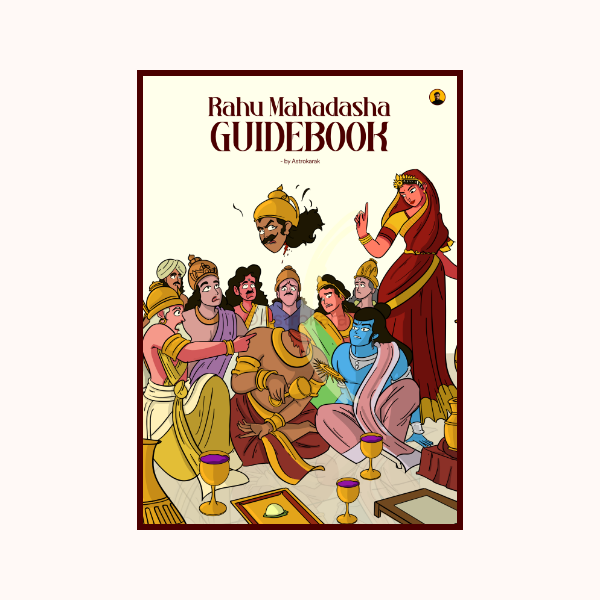
Rahu Mahadasha is the long stretch of time when Rahu rules your dasha cycle. The Rahu Mahadasha period lasts 18 years, and it is commonly associated with ambition, sudden rises and falls, unconventional paths, foreign connections and restlessness. Rahu amplifies whatever it sits with and wherever it sits, so experiences during this period vary greatly from person to person — which is why your chart details matter more than generic descriptions.
What are the Rahu Mahadasha effects on career and marriage?
Effects depend on Rahu's placement, but commonly reported themes include rapid career growth or sudden job changes, opportunities involving foreign companies or relocation, and in marriage, attraction to unconventional partners or friction during difficult sub-periods. Rahu can bring big wins and big confusion at the same time, so the sensible approach is to track which antardasha is running and time major decisions accordingly.
What is Rahu Mahadasha and antardasha?
Mahadasha is the main planetary period — the 18 years ruled by Rahu — while antardasha is the sub-period within it governed by another planet. Rahu's 18 years run through the antardashas of Jupiter, Saturn, Mercury, Venus, the Sun, the Moon and Mars in a fixed sequence, and each one colours the period differently; Rahu–Venus, for instance, often feels more rewarding than Rahu–Saturn. Knowing which antardasha is running explains why the same dasha can feel very different from one year to the next.
How to overcome Rahu Mahadasha?
You work with it rather than against it. Traditional Rahu Mahadasha remedies — mantra japa, charity on designated days, and calming routines — help, but the real shift comes from knowing which antardasha is running and adjusting decisions accordingly: avoid impulsive risks in tough sub-periods and push forward in supportive ones. A clear reading of your chart, plus disciplined habits around sleep, focus and finances, makes this period far easier to navigate.
Is a Vedic astrology calculator or Vedic astrology AI app enough for an accurate reading?
Yes for generating the chart, no for interpreting it. A Vedic astrology calculator or Vedic astrology AI app will correctly give you planetary positions, houses and dasha timelines, but an accurate reading depends on judging planetary strength, divisional charts, nakshatras and the running dasha against your actual life situation. Use these tools to get your chart details, and treat automated interpretations as background information rather than final answers.
What is Shani Sadhesati and how does it affect you?
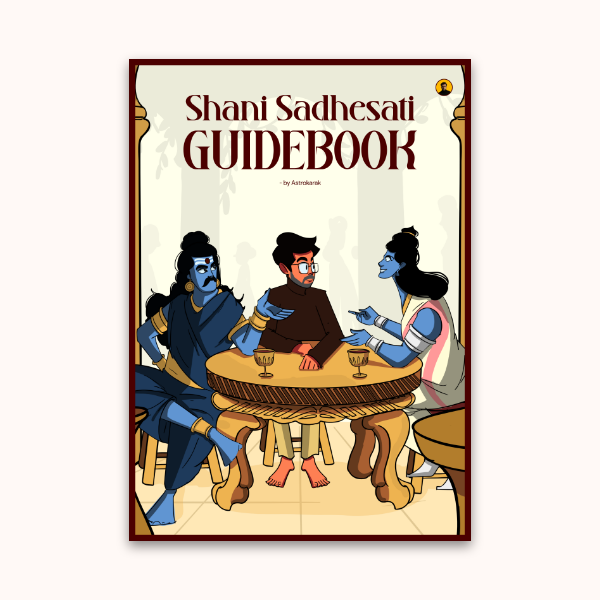
Shani Sadhesati (also written as Sade Sati) is the roughly seven-and-a-half-year phase when Saturn transits the twelfth, first and second houses from your natal Moon. It is commonly linked with pressure, delays, added responsibility and emotional heaviness, but it is also considered a period that builds discipline and long-term stability if handled honestly. Its intensity varies from chart to chart, and understanding which phase you are in — through a guidebook or a consultation — usually makes the period far more manageable.