Testimonials
Services
Free Pattern Clarity Call
Health & Energy Patterns
Career Direction Reading
Personal Numerology Blueprint
Vedic Astrology Life Map
Integrated Astro-Numerology
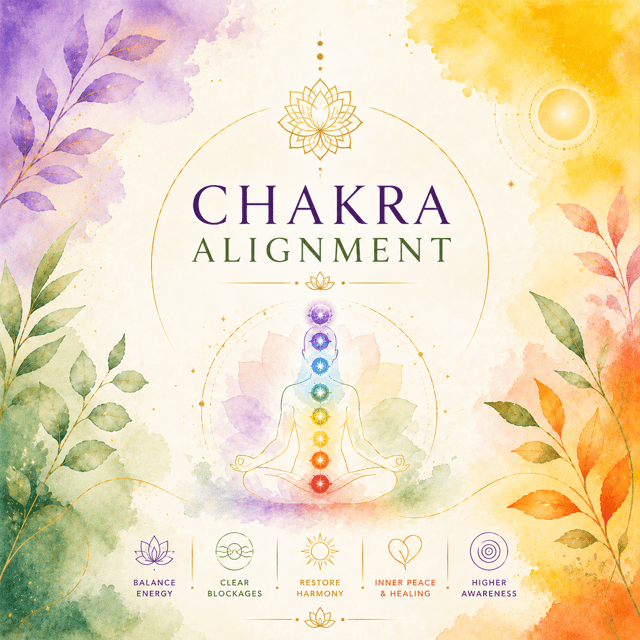

7-Day Health Healing Program

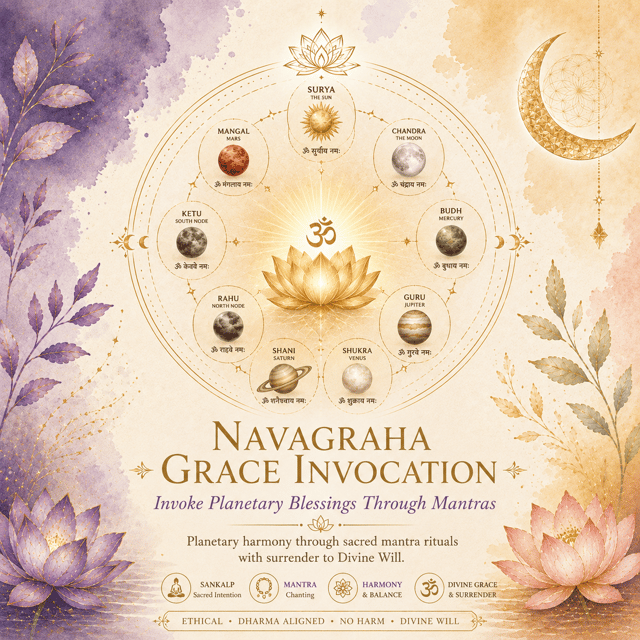

Ask 4 Questions – Personal Guidance Session
Wealth & Money Patterns
Job & Opportunity Timing
Mobile Number Numerology
Name Energy Analysis
🌿 Empathetic Listening & Guidance
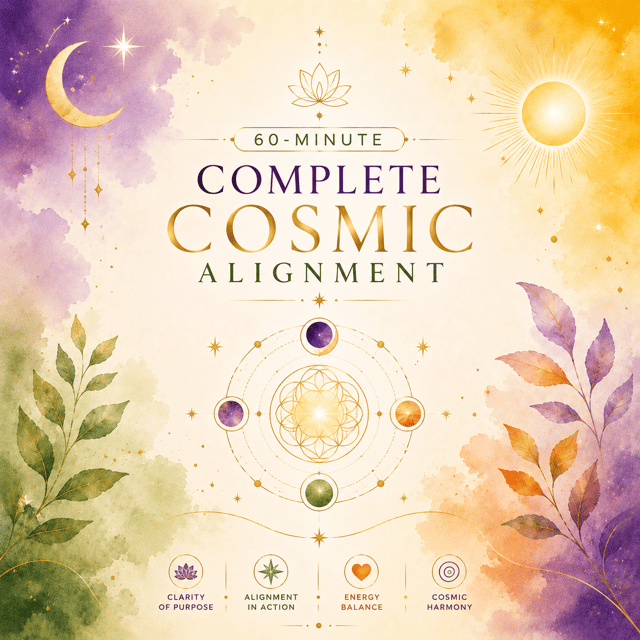
Complete Cosmic Alignment


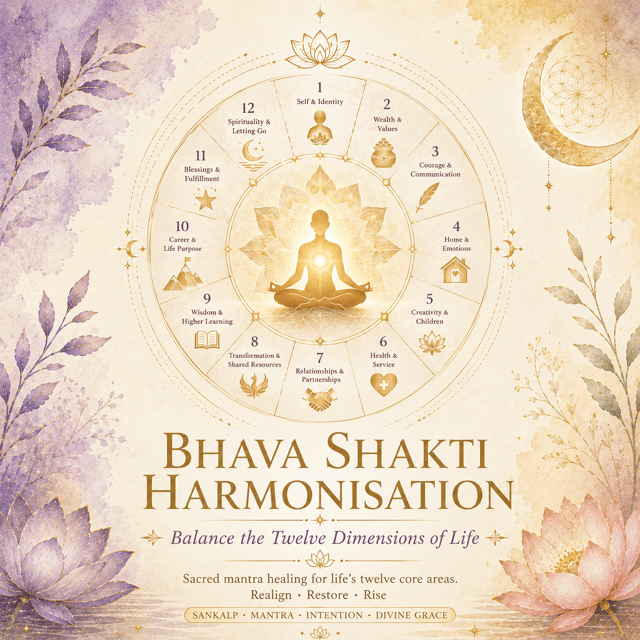

7-Days House Energy Healing Program
About me
Frequently asked questions
What is tarot reading and how does it work?
Tarot uses a deck of 78 cards, each carrying a symbolic meaning, to reflect the energies and patterns around your question. A reader shuffles, lays the cards in a spread, and interprets what each position — past influences, current obstacles, likely direction — means for your specific situation. Rather than predicting a fixed fate, a good tarot reading mirrors what is happening beneath the surface so you can make a clearer, more conscious choice.
Is tarot reading real?
Tarot is a real guidance practice, but its accuracy depends on two things: the reader's ability to interpret symbols in context, and how honestly you frame your question. It is not mind-reading or a guaranteed prophecy — treat it as a structured way to gain clarity on a situation you're emotionally close to. A genuine reader will explain the logic behind each card and give practical takeaways, while anyone who only creates fear or dependency is a red flag.
Is a yes or no tarot reading reliable for quick decisions?
A yes or no tarot reading can be surprisingly accurate when your question is specific — "Should I accept this job offer?" works far better than a vague "Will I be successful?" The card drawn, and whether it appears upright or reversed, points to a clear lean, but the real value lies in the reason behind it: why the answer leans yes or no, and what condition would change it. Use it for focused, closed questions; choose a full reading when the situation has multiple layers.
Is a free online tarot reading as accurate as a session with a real reader?
A free online tarot reading is fine for daily reflection, but automated or single-card draws give one generic meaning that cannot account for your exact situation, your emotions, or follow-up questions. For decisions with real stakes — a career move, a relationship turning point, a family matter — a live session is a different experience because the reading adapts to you as you talk. The same logic applies to a free online numerology reading: a calculator will compute your numbers instantly, but interpretation is where the actual insight lies.
How do I find a genuine tarot reading near me?
Look for three signals: verified client reviews that mention clarity rather than drama, a clearly described session structure (duration, number of questions, format), and a reader who explains the reasoning behind the cards instead of selling fear-based remedies. Also remember that location matters far less now — a video or phone session works just as well as sitting across a table, so even if you're searching for a tarot reading in Pune or any other city, you can book a trusted reader from anywhere in India.
What is a Vedic astrology reading?
A Vedic astrology reading interprets your kundli (birth chart), prepared using the sidereal zodiac and your exact birth date, time, and place. A full reading looks at planetary placements, the twelve houses, and your running dasha (planetary period) to explain patterns in career, money, marriage, health, and personal growth. The most useful readings go beyond one-line predictions — they show why the same situations keep repeating and which timing favours which action.
How to read a Vedic astrology chart?
Start with three anchors: the lagna (ascendant), the Moon sign and its nakshatra, and the dasha you are currently running. Then move house by house — which planets sit where, and which houses they rule — noting where the same theme (money, marriage, career) keeps getting activated. Learn in the order of planets, then houses, then dashas, and practice on your own chart first. If self-reading feels overwhelming, even one professionally guided reading of your own kundli teaches the logic faster than months of guessing.
What do Vedic astrology houses represent?
The twelve houses (bhavas) in a Vedic astrology chart map every area of life: the 1st house covers self, body, and personality; the 2nd wealth and family; the 4th home and mother; the 5th education, children, and fortune; the 7th marriage and partnerships; the 10th career and public image; the 11th gains and network; and the 12th expenses, isolation, and foreign connections. A reading connects the planets to these houses to show which life areas are strong, strained, or due for change.
How is Vedic astrology more accurate than Western astrology?
The precision comes mainly from two features. First, Vedic astrology uses the sidereal zodiac, corrected for the Earth's precession (ayanamsa), so planetary positions match where they actually appear in the sky. Second, the vimshottari dasha system assigns specific time-windows to each planet, which is why Vedic readings can speak about when something is likely to happen rather than only what it means. Western astrology leans more toward personality and psychology, so many people use both — Western for self-understanding, Vedic for timing.
What is Vedic astrology in Hindi?
In Hindi, Vedic astrology is known as ज्योतिष शास्त्र (Jyotish Shastra) — literally "the science of light." The terms you'll hear in every Hindi reading are कुंडली (kundli) for the birth chart, राशि (rashi) for the Moon sign, लग्न (lagna) for the ascendant, ग्रह (graha) for planets, and दशा (dasha) for planetary periods. So when someone says "मेरी कुंडली में शनि की दशा चल रही है," they are describing exactly what a Vedic astrology reading covers in English.
Can a Vedic astrology calculator or Vedic astrology AI replace a real astrologer?
A Vedic astrology calculator is excellent at calculation — planetary degrees, house positions, and dasha dates are pure mathematics, so the chart it generates is reliable. A Vedic astrology AI can recite textbook meanings, but it cannot understand your context, ask follow-up questions, notice what you're not saying, or weigh contradictory indications the way an experienced astrologer does. Use tools to generate and verify your chart; use a human reading for interpretation, nuance, and practical guidance.
Does a Vedic astrology death prediction calculator actually work?
No. A Vedic astrology death prediction calculator is clickbait — classical Jyotish treats longevity analysis as its most sensitive branch, and responsible astrologers simply do not offer death predictions. If any tool or practitioner predicts death or disaster and then offers a paid "solution," treat it as a scam signal and walk away. Authentic readings focus on the patterns you can change and the timing you can use, not on fear.
How to learn Vedic astrology as a beginner?
Give your learning a structure: start with the nine planets (navagraha) and what each one rules, then the twelve rashis and twelve houses, and finally the dasha system that governs timing. Follow one systematic Vedic astrology book or course instead of jumping between random videos, and practice by reading your own kundli alongside what you learn. Journaling small predictions and checking them against reality is what builds genuine skill over time.
How does a numerology reading by date of birth work?
Your complete birth date is reduced to core numbers: the life path number (from the full date), the birth day number, and the personal year number (your birth day and month combined with the current universal year). Together these describe your innate strengths, the lessons that keep repeating, and the favourable timing ahead. This same method powers a numerology reading for 2026 — the year 2+0+2+6 reduces to a universal year 1, associated with fresh starts, career resets, and new cycles — and many readings layer name and mobile-number numerology on top for finer detail.
How much does a numerology reading cost in India?
It depends on depth. Quick chat or DM-based answers usually cost a few hundred rupees, a proper 1:1 session with a detailed explanation commonly ranges from about ₹1,000 to ₹5,000, and multi-session or multi-day guidance packages go higher. Judge the price by what's included — your core numbers, timing cycles, and space for your specific questions — not a one-line meaning. Be cautious of very low upfront prices followed by expensive "remedies," which is a common pattern in this market.