Testimonials
Services
University Shortlist Tracker
MY Email Template for potential PhD supervisor
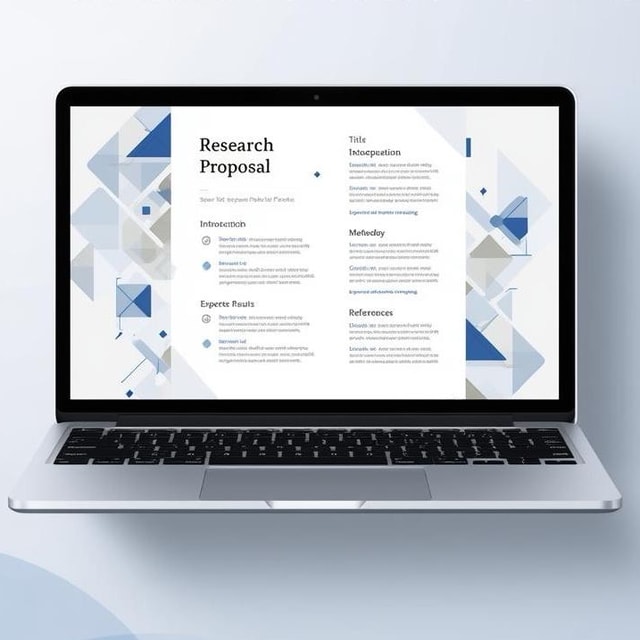
MY Research Proposal (Line-by-Line)
Email to Potential Supervisors
SOP Review for Study Abroad
Academic CV Review
MY winning CV for Master’s & PhD Abroad
About me
- Secured a Fully Funded PhD at The University of Manchester | Global South Initiative Awardeehttps://www.linkedin.com/posts/anushkadiwakar_phdjourney-universityofmanchester-climatechangeandhealth-activity-7325215138423230464-IqXm?utm_source=share&utm_medium=member_desktop&rcm=ACoAACV-pvkByADzfvCifLuEgA9J_SGtIoRchFg

- Anushka Diwakar provides valuable, clear guidance for PhD applications, exemplifying support, expertise, and a nurturing approach that inspires confidence in candidates.
 AI-generated based on testimonials
Frequently asked questions
How to apply for a PhD abroad from India?
Unlike the Indian entrance-exam route, PhD admissions abroad are professor- and project-driven. Start 12–18 months before your target intake: fix your research area, shortlist universities and professors with funded openings, and email potential supervisors directly with your CV and a short research pitch. In parallel, prepare your SOP, research proposal, academic CV, transcripts and two to three recommendation letters, then apply through each university's online portal before the deadline. Shortlisted applicants are usually interviewed before funding is confirmed. Because a supervisor's approval often decides the outcome, early outreach and fit matter more than perfect grades.
When should I start my PhD application for 2026?
A strong PhD application for 2026 needs 12–18 months of preparation. For the fall 2026 intake, most US and UK deadlines fall between December 2025 and March 2026, while European positions are advertised on a rolling basis through the year. Funding deadlines are usually earlier than admission deadlines, so scholarship applications should be ready first. Use the months in hand to shortlist supervisors, draft your SOP and research proposal, and start cold emailing, because writing and refining these documents takes far longer than most applicants expect.
How can I get a fully funded PhD in the UK from India?
UK PhDs are funded through UKRI-backed doctoral programmes, presidential and vice-chancellor's awards (the route a first-gen Indian student used to secure a fully funded PhD at the University of Manchester), Commonwealth PhD Scholarships, departmental studentships and grant money held by individual supervisors. The practical route is to find advertised funded projects on university doctoral portals, email the supervisor before applying, and align your research proposal with the advertised topic. Remember that admission and funding are separate decisions, so apply for scholarships early and keep backups in other countries.
What are the best PhD scholarships for Indian students?
Popular options include Commonwealth PhD Scholarships (UK), Gates Cambridge, Clarendon, DAAD (Germany), the Swedish Institute and university-specific international awards, along with Indian funders such as Inlaks Shivdasani, the J.N. Tata Endowment and the Lady Meherbai D. Tata scholarship for women. In Germany, the Netherlands and the Nordic countries, a salaried PhD position itself works as full funding. Check nationality eligibility, deadlines (usually 9–12 months before intake) and whether each award covers tuition, a stipend or both.
How do funded PhD applications in Europe work?
In much of continental Europe, including Germany, the Netherlands, the Nordics, Switzerland and Austria, PhD candidates are hired as salaried employees with contracts and benefits, so you apply to an advertised position like a job, with a CV, cover letter and references. Positions open and close year-round on university portals and Euraxess depending on when a professor's project is funded. In the UK and Ireland, admission and funding are separate, so you also compete for studentships. Cold emailing professors before a position is formally advertised often gives you a decisive head start.
How does a PhD application in Germany work?
Most doctoral candidates in Germany take the individual doctorate route: they identify a professor in their area and contact them directly with a CV, transcripts and a short research outline, and the professor's acceptance effectively becomes the admission. The alternative is structured programmes at graduate schools and institutes such as Max Planck, which run formal calls. Public universities charge no tuition, and funding usually comes from a paid research position, project money or a DAAD scholarship. English test requirements are often relaxed for English-medium graduates, but confirm this for each position.
How to write a statement of purpose for a PhD abroad?
A PhD statement of purpose should be roughly 800–1,000 words or the limit each university sets, and built as a story: what drew you to the field, the research experience that built your skills, why this specific PhD and supervisor, and where you want to go afterwards. Use evidence such as projects, methods, fieldwork and outcomes instead of adjectives, and never simply repeat your CV. Tailor the why-this-programme section to every university and name the professors you want to work with. Expect multiple drafts and get the final version reviewed by someone who has already made this journey.
What is the right statement of purpose format for PhD applications?
Your statement of purpose should usually run 500–1,000 words in five to seven paragraphs: an opening that states your research interest, your academic background, a detailed research experience section, why this department and supervisor, and your career goals. Use a clean 11–12 point font, standard margins and single or 1.15 spacing, and submit as a PDF with a clear file name. Follow each university's word limit strictly, because reviewers notice, and avoid heavy styling unless the department specifies a format.
Is the statement of purpose for masters different from the one for a PhD?
Yes, and the difference matters. A statement of purpose for masters applications focuses on academic interests, motivation and career outcomes, while a PhD SOP reads like a mini research agenda, showing depth in research experience, a clear research direction and specific alignment with faculty. You can reuse your core story, but the research-fit sections must be rewritten completely, because a generic SOP is one of the most common reasons PhD applications fail. If you are applying to both master's and PhD programmes, maintain two separate versions from the start.
What is a research proposal for PhD admission?
It is a 1,500–3,000 word document that shows what you want to research, why it matters and how you will do it. A typical research proposal includes a working title, background and problem statement, a short literature review identifying the gap, research questions and objectives, methodology covering data and analysis, a rough timeline and key references. Supervisors use it to judge whether you can frame a study and whether your interests fit their lab or department. Where a funded project is already defined, your proposal should align with the advertised topic rather than replace it.
What is the correct research proposal format for PhD applications?
Unless a department gives its own template, structure your research proposal as: title; introduction and background; problem statement; brief literature review with the identified gap; research questions or hypotheses; objectives; methodology covering design, data sources and analysis; ethical considerations; timeline; expected contribution; and references in a consistent citation style. Keep it within the 1,500–3,000 word range most universities specify. A feasible, tightly argued proposal almost always beats an ambitious but vague one.
How do I write a cold email to a professor for PhD admission?
A good cold email to a professor for PhD admission stays under 200 words with a clear subject line such as "Prospective PhD applicant, your topic, 2026 intake". Introduce yourself in one line, explain why you are writing to this specific professor by citing a recent paper, summarise your relevant skills in two or three lines, attach your CV and a short proposal, and end with one clear question about whether they are accepting students or expect funded openings. Send it on a weekday morning, follow up politely after 10–14 days, and track every message in a spreadsheet. Volume plus personalisation works: one Indian first-gen applicant who emailed 114+ professors landed offers from five QS top-100 universities.
How to find a PhD supervisor abroad who has funded openings?
Begin with faculty pages and research group websites at target universities, looking for professors who have published in your area in the last two to three years. Then scan doctoral project portals such as Euraxess and DAAD's funding database, along with university funded-studentships pages and lab "join us" sections. Google Scholar and LinkedIn help confirm a professor's current work and whether their recent students were funded. Build a simple tracker with each professor's fit, funding status and follow-up dates, because with 30 to 100 names on your list, a system matters as much as effort.
How do I write an academic CV for a PhD application?
An academic CV for a PhD application usually runs two to three pages: education with your thesis and relevant coursework, a research experience section written as achievements covering methods, your role and outcomes, publications and conference presentations, relevant work or field experience, technical and language skills, awards, and two to three academic references. Drop the photo, date of birth and marital status that Indian bio-data formats include. Tailor the emphasis to each position, for example highlighting statistical tools for public health roles, and keep the formatting clean and consistent.