Testimonials
Services
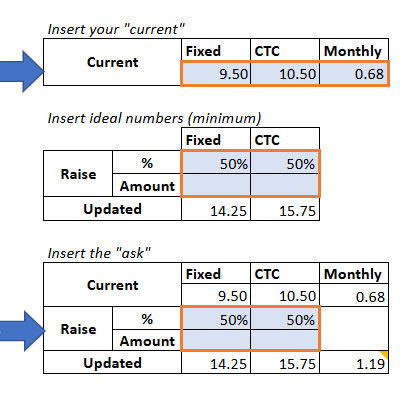
HR Salary Discussion Tool
WhatsApp Community for Jobs
Resume Review
Job Hunting Ways
Know Consulting, CI, Market Research
Career Guidance
LinkedIn Profile Review
Interview Help
Cover Letter Help
Have a question?
About me
- Ankita lauded for insightful, detailed career guidance; known for humility and practical professional tips.
 AI-generated based on testimonials
Frequently asked questions
How to become a market research analyst in India?
The most common route is a bachelor's degree in pharmacy, life sciences, economics, statistics, or business, supported by strong Excel and data-analysis skills. Anyone planning how to become a market research analyst in India should also build 2–3 practical projects — survey-based studies, secondary research decks, or competitor scans — since hiring managers value applied work over certificates. An MBA or a PG diploma in research or analytics helps for consulting-side roles, and entry-level openings are best found on LinkedIn, Naukri, and company career pages. A short mentoring chat with someone already working in the field can also tell you exactly which skills and firms to target for your background.
What does a market research analyst do?
A market research analyst studies consumers, competitors, and markets to help companies make evidence-based decisions. Day-to-day work includes collecting data through surveys, interviews, and secondary sources, analysing it in Excel or tools like SPSS, R, or Power BI, and converting findings into reports, dashboards, and presentations. In India, many of these roles sit within healthcare and pharma research firms, where analysts track prescription patterns, therapy areas, and brand performance.
What is the market research analyst salary in India?
Entry-level market research analysts in India typically earn around ₹3–6 LPA, depending on the city, the company, and whether the role is in general research or a specialised vertical like healthcare. With 3–5 years of experience, salaries commonly move into the ₹8–15 LPA range, especially in pharma and consulting-led research. Metro hubs such as Mumbai, Pune, Gurugram, and Bengaluru have the highest concentration of well-paying openings.
Where can I find market research analyst jobs in India?
LinkedIn, Naukri, and Indeed list most market research analyst jobs, with a heavy concentration of openings in Mumbai, Pune, Gurugram, and Bengaluru. Global research firms such as IQVIA, Kantar, Ipsos, and NielsenIQ, along with healthcare-focused agencies like GRG Health, regularly hire analysts for pharma and life-sciences projects. Setting job alerts for terms like "market research analyst" and "healthcare research", and keeping your LinkedIn profile keyword-rich, noticeably improves callback rates.
Which market research analyst courses are actually worth doing?
No course is mandatory, but short, practical market research analyst courses can speed up your entry if your degree didn't cover research methods. Useful options include certifications in market research fundamentals, statistics, Excel and Power BI, and survey analytics on platforms like Coursera, Udemy, and similar learning sites. What employers weigh most is applied work, so pair any course with 2–3 self-run projects — such as a pricing study or a competitor scan — that you can discuss in interviews.
What is competitive intelligence in pharma?
Competitive intelligence in pharma is the structured collection and analysis of information about rival drugs, companies, and pipelines so pharma brands can make smarter commercial decisions. A CI analyst tracks competitor product launches, clinical trial progress, pricing and market-access moves, market share shifts, and regulatory changes, then converts them into forecasts, battlecards, and strategy inputs for brand teams. Since India is a global pharma hub, CI roles here are concentrated in pharma companies, research agencies, and consulting firms serving life-sciences clients.
What is competitive intelligence in business?
In general business, competitive intelligence is the ethical gathering and analysis of information about competitors, customers, and market trends to guide strategy, sales, and marketing decisions. It answers questions like which competitor is gaining share, how rivals are pricing, where the market is heading, and where your company is exposed. Teams usually deliver this through competitor trackers, SWOT analyses, win-loss reviews, and periodic market reports for leadership.
What does a competitive intelligence analyst do?
A competitive intelligence analyst monitors competitors and market movements and turns raw information into decision-ready insights. Typical tasks include building competitor profiles, tracking product launches and pricing changes, analysing market share, preparing SWOT and battlecard documents, and briefing sales and brand teams. In healthcare and pharma, the role leans heavily on therapy-area knowledge, which is why analysts with pharmacy or life-science backgrounds are often preferred.
How do I find competitive intelligence jobs in pharma?
Search LinkedIn and Naukri using terms like "CI analyst" and "pharma competitive intelligence", and target pharma companies, life-science research agencies, and consulting firms serving healthcare clients. Networking with CI professionals and joining pharma market research communities also surfaces roles that are rarely advertised publicly. On pay, the competitive intelligence salary in pharma typically starts around ₹4–8 LPA for freshers with a pharmacy or management background and rises sharply with therapy-area expertise and consulting exposure.
Is doing a competitive intelligence course worth it?
A degree is not required to enter CI, but a focused competitive intelligence course helps you learn frameworks hiring managers expect — competitor analysis, SWOT and Porter's Five Forces, win-loss analysis, and basic forecasting. Short programmes on competitive and pharma market analysis are available on common online learning platforms, and industry bodies offer recognised certifications. Reinforce any course with a practice project, such as a full competitor teardown of two pharma brands, to make your resume credible.
How to get into healthcare consulting?
The usual paths are a pharmacy or life-science degree followed by an MBA, or an MBA in healthcare management, after which you apply for analyst roles at consulting firms. Build domain knowledge in hospital operations, pharma commercial strategy, or health insurance, practise case interviews, and target both the Big Four and specialist healthcare consultancies. Entry-level healthcare consulting jobs in India are concentrated in metros, and internships plus referrals make the biggest difference in landing the first offer.
Which are the top healthcare consulting firms in India?
Leading healthcare consulting firms in India include McKinsey & Company, Boston Consulting Group, Deloitte, PwC, EY, and KPMG, along with life-sciences specialists such as ZS Associates and IQVIA. Several strong Indian boutiques also focus on hospital planning, pharma strategy, and health systems. Freshers usually enter as analysts through campus placements, referrals, or targeted LinkedIn outreach, so it helps to shortlist 10–15 firms and track their hiring cycles instead of applying randomly.
What is the healthcare consulting salary in India?
MBA entrants joining larger healthcare consulting salary bands typically start between ₹6–12 LPA, while life-science graduates joining boutique or research-led consultancies often begin at ₹4–8 LPA. Mid-level consultants with 4–6 years of experience commonly earn ₹15–30 LPA, with faster growth at strategy-focused firms. Specialising in high-demand areas like digital health, market access, or pharma commercial strategy tends to push offers higher.
How do I get a healthcare consulting internship?
Start early by targeting internships at consulting firms, pharma companies, health-tech startups, and hospital chains during your MBA or final year of college. Prepare a one-page resume highlighting research projects and healthcare coursework, message consultants on LinkedIn with short, specific requests, and track openings on internship portals and company career pages. Even a research or analytics internship in a healthcare setting counts as relevant experience when you later apply for full-time consulting roles.
How to become a business intelligence analyst?
The standard path is to build strong Excel and SQL skills, learn a visualisation tool such as Power BI or Tableau, and then apply for analyst roles in industries you already understand — healthcare and pharma are natural fits for life-science graduates. If you're working out how to learn business intelligence, free and low-cost courses in SQL, Power BI, and dashboarding, combined with 2–3 portfolio dashboards built on public datasets, are enough to demonstrate job-ready skills. Domain knowledge matters as much as tools, so pair technical practice with a clear understanding of the industry you want to enter.