Testimonials
Services
CA Intermediate Exam Guidance
CA Foundation Exam Guidance
CA Post-qualification Counselling
CA Final Preparation
Priority DM
UPSC Preparation Support
Financial Planning and Guidance
UPSC Career Counselling
Finding jobs in Finance
CA Industrial Training Interview
Have a question?
CA Final Exam Guidance
CA Articleship Counselling and Interview prep
CA Intermediate Preparation
General Career Counselling
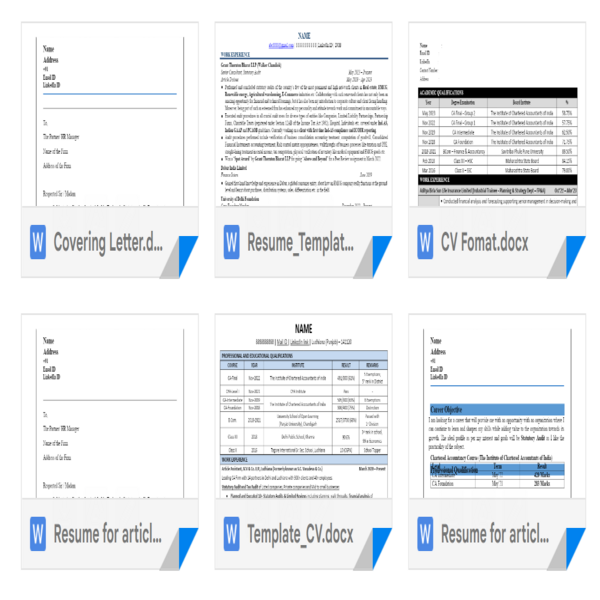
Resume Template and Review
LinkedIn Profile building
CA Job Interview Guidance
CA Post-qualification Guidance
CA Articleship Guidance
Quick chat, discussion and guidance
Life Counselling
About me
Frequently asked questions
How to start CA Final preparation?
Start by deciding whether you will attempt one group or both groups, since that decision shapes your entire study plan. Download the latest ICAI study material, syllabus and past papers for your attempt, and map every chapter across the months you have. Most students begin with the heavier practical papers such as FR and AFM while keeping theory subjects for shorter regular sittings. Fix a realistic daily schedule that works around your articleship or classes, and reserve the final 45–60 days purely for revision and mock tests. A written weekly plan removes most of the early confusion.
How many months are required for CA Final preparation?
There is no single answer to how many months are required for CA Final preparation, but most students need around 6–9 months of focused study for both groups, or roughly 4–5 months for a single group, after their classes are complete. If you have already attended classes once, maintained good notes and can dedicate 10–12 hours a day, CA Final preparation in 4 months is achievable, though it demands strict discipline. Students balancing articleship alongside studies should plan for a longer runway. Whatever duration you choose, keep at least 45 days for full revision and seriously attempt the ICAI mock tests.
How to prepare for CA Final?
If you are deciding how to prepare for CA Final, build everything around the ICAI study material instead of collecting multiple reference books. Practice writing full-length answers in exam format since presentation fetches marks, and solve past attempt papers, RTPs, MTPs and mock test papers for every subject. Aim to revise each subject at least three times before the exam, maintain a separate compilation of amendments for the law and tax papers, and analyse every mock test to identify weak areas. Consistency over several months matters far more than occasional long study days.
How do I manage CA Final preparation with a job?
CA Final preparation with a job is difficult but very common, especially for those appearing after articleship. Plan 3–4 focused study hours on weekdays and 10–12 hours on weekends, use commute time for theory reading and revision, and choose a single group if your working hours leave little energy. Keep weekly targets instead of rigid daily plans, since work commitments fluctuate. Apply for leave well before the exams, and do not skip mock tests — skipping them is the most common mistake working students make.
How to prepare for a CA articleship interview?
To prepare for a CA articleship interview, work on three things: your resume, your basics and your knowledge of the firm. Be ready to explain everything on your resume, revise core accounting, auditing, law and tax concepts from the CA Intermediate level, and research the firm's service areas such as audit, taxation or advisory. Practice common HR questions, prepare two or three thoughtful questions to ask the interviewer, and be honest about topics you have not yet studied — interviewers value clarity and willingness to learn far more than bluffing.
What are the most common CA articleship interview questions?
The most common CA articleship interview questions include "Tell me about yourself", "Why did you choose CA?", "Why do you want to join our firm?", questions on your exam status and attempts, and technical questions from accounting, auditing and taxation such as vouching versus verification, accounting standards, journal entries, GST basics and CARO provisions. Some firms also ask situational questions about handling deadlines or workload. Prepare crisp answers for the HR questions and revise your fundamentals so the technical round feels manageable.
How to introduce yourself in a CA articleship interview?
To introduce yourself in a CA articleship interview, keep it within 60–90 seconds and cover four points: your name and educational background, your CA level (Foundation cleared, one or both Intermediate groups cleared), your key interests such as audit, taxation or accounting, and why you are drawn to that particular firm. Speak naturally rather than reciting a memorized paragraph, and align your introduction with the firm's work — for example, highlight your interest in indirect tax if the firm is known for GST advisory.
What CA articleship interview questions in the Big 4 should I expect?
CA articleship interview questions in the Big 4 generally test fundamentals rather than advanced expertise. Expect questions on basic accounting entries, financial statements, Ind AS or accounting standards, auditing concepts like audit evidence, internal controls and sampling, plus questions on Excel and communication skills. HR rounds usually cover "Why Big 4?", comfort with demanding hours and travel, and your long-term plans. Big 4 interviewers largely select for attitude, trainability and clarity of basics, so a calm, honest approach works better than trying to sound overly technical.
What CA articleship interview questions for statutory audit should I prepare?
CA articleship interview questions for statutory audit usually start with the audit process itself — planning, risk assessment, execution and reporting. Revise vouching and verification, audit evidence, materiality, internal financial controls, CARO 2020 clauses and the purpose of key Standards on Auditing, along with practical questions like how you would verify cash, fixed assets, bank balances or purchases. Also keep the distinction between statutory audit, internal audit and tax audit clear, as interviewers often use it as a screening question.
What UPSC career options do I have if I don't clear the exam?
UPSC career options after an unsuccessful attempt are wider than most aspirants realise. Popular paths include state civil services (PCS), SSC, banking, RBI Grade B and other government exams where UPSC preparation gives a strong base, along with private-sector roles in policy, consulting, HR, operations, content and edtech. Many aspirants also move into teaching or mentoring future aspirants. The analytical writing, discipline and general studies knowledge built during preparation transfer well to all of these — the key is deciding on a backup direction in advance instead of drifting after the result.
What does career progression in IAS look like?
Career progression in IAS typically begins with training at LBSNAA followed by the first posting, usually as a Sub-Divisional Magistrate. Officers then move to roles such as Additional District Magistrate and District Magistrate or Collector, followed by state-level positions like Divisional Commissioner and Secretary in state departments, and eventually Principal Secretary, Additional Chief Secretary or Chief Secretary. On central deputation, the ladder runs from Director and Joint Secretary to Additional Secretary, Secretary and finally Cabinet Secretary. The actual pace varies by cadre, years of service and performance.
How should a fresher prepare a resume that gets shortlisted?
A fresher's resume should ideally fit on one page and lead with education and qualifications, since that is your strongest asset early on. If you are a CA student, clearly state your level (Foundation, Intermediate or Final) and describe your articleship work in specific terms — audits handled, tax returns filed, reconciliations done — with numbers wherever possible. Use action-oriented bullet points, mirror keywords from the job description so your resume clears applicant tracking systems, list relevant tools like Excel and Tally, and proofread thoroughly. Avoid decorative designs, long paragraphs and irrelevant personal details.
How do I build a strong LinkedIn profile as a student or fresher?
Start with a professional photo and a headline that says more than just "Student" — mention your course, level and interest area, for example "CA Final student | Finance and Taxation". Write an About section that briefly tells your story and what you are looking for, and add your education, internships, articleship, certifications and skills. Then stay consistently active: share what you are learning, comment meaningfully on posts in your field, and send connection requests to professionals with a short personalised note. Regular activity over a few months matters more than one perfect post.
I am confused about my career. How do I find the right direction?
Career confusion is best resolved through a structured process rather than more overthinking. Begin with honest self-assessment — your interests, strengths, financial needs and the lifestyle you want — then research shortlisted options by speaking to people actually working in those fields rather than relying only on online opinions. Test promising options on a small scale through internships, side projects or volunteering before fully committing, and set short-term and long-term goals that you review every few months. If the confusion keeps looping, an outside perspective from a mentor or career counsellor often helps you see your own patterns clearly.