Testimonials
Services
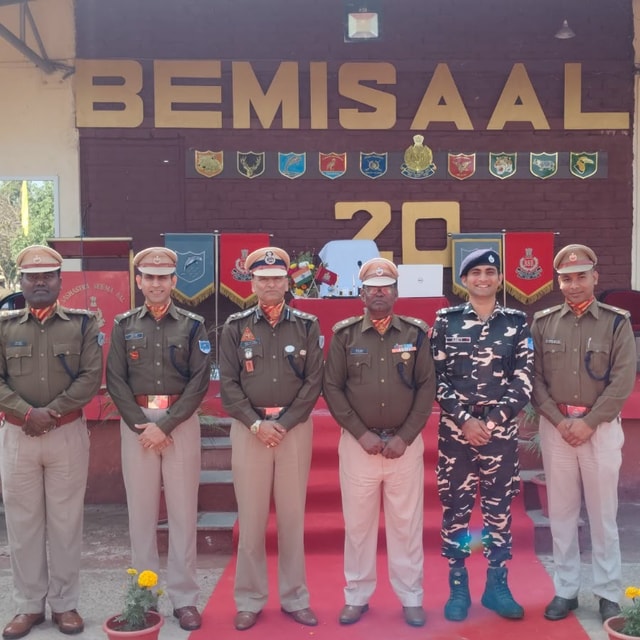
UPSC CAPF Strategy Call – With a former AC(SSB)
UPSC CSE Interview Prep & Strategy
Career & Exam Path Counseling

CAPF → IIMA | MBA Guidance for Unique Profiles
About me
Frequently asked questions
How to get MBA admission in India?
For a two-year MBA in India, the usual path is to clear an entrance exam like CAT (for the IIMs and most top B-schools) or XAT/NMAT/SNAP for other institutes, then apply to schools, get shortlisted on your overall profile, and clear the WAT, group discussion and personal interview rounds. Working professionals with experience can also target one-year executive programmes like the IIM PGPX or ISB through GMAT. Final selection weighs your entrance score, academics, work experience and interview performance, so first choose the right exam for the type of programme you want.
What is the average cost of an MBA in India?
At the top IIMs and comparable B-schools, the total fee for a two-year full-time MBA usually falls in the range of ₹20–25 lakh, and some private institutes charge more. One-year executive programmes such as ISB or the IIM PGPX generally cost more than two-year MBAs. On top of tuition, budget for living expenses and travel. Most good schools also offer merit scholarships, need-based financial aid and education loan support, so the sticker price is rarely the full picture.
Are MBA admissions in India for non-engineers at a disadvantage?
No. B-schools actively want non-engineers because a diverse classroom makes discussions richer, so candidates from commerce, humanities, law, medicine, defence, government service and pure sciences are valued. What actually decides your admit is a competitive entrance score, a clear "why MBA" story, and the ability to present your background — early leadership, responsibility, domain depth — as a strength rather than an apology. Non-engineers clear the IIMs, ISB and other top schools every year; the process rewards a well-told story far more than a particular undergraduate degree.
When should I start preparing for MBA admission 2026 in India?
Start at least 12–15 months before your target intake. For two-year programmes, the CAT is usually held in late November, so begin preparation early in the year, shortlist schools by autumn, and submit applications roughly between September and February, followed by interviews from January to April. For one-year executive programmes, keep 8–12 months aside for GMAT preparation, essays and recommendations. Broadly, the MBA admission timeline in India follows the same rhythm — exam, applications, shortlists, interviews, offers — so mapping your own dates against it early keeps you from missing deadlines.
Do I need MBA admission consultants in India to get into a top B-school?
No — plenty of candidates convert top programmes every year without one. What decides the outcome is your entrance score, academics, essays, recommendations and interview, not the brand of consultant you hire. Where outside help genuinely adds value is in positioning an unconventional profile, building a realistic school list and staying disciplined about deadlines, which are hard to figure out alone if nobody around you has done an MBA before. If full-service packages feel expensive, targeted mentoring on specific gaps such as profile, essays or interview can give you most of the benefit at a fraction of the cost.
Is the CAPF exam tough?
It is demanding but very crackable with a structured plan. You face two written papers — an objective general studies paper and a descriptive English/essay paper — followed by physical efficiency and medical tests and a personality test, so you need to build academic and physical stamina together. The syllabus is more compact than UPSC CSE, but competition is serious since only a small fraction of applicants make the final list. Most successful candidates put in six to nine months of consistent study along with regular fitness work.
What are the CAPF exam eligibility criteria?
To appear for the CAPF Assistant Commandant exam, you must be an Indian citizen, hold a bachelor's degree in any discipline, and meet the age requirement — generally 20 to 25 years, with relaxations for SC, ST, OBC and certain other categories as per government rules. You must also satisfy the prescribed physical standards such as height, chest girth and vision, and clear the medical examination. Both men and women are eligible to apply. Since these details are revised periodically, always confirm against the latest official UPSC notification before applying.
How do I start my UPSC CAPF exam preparation?
Begin with the syllabus and previous years' question papers so you know exactly what is tested before buying anything. For Paper 1, build your base with NCERTs across polity, history, geography, economy and general science, and add a daily current affairs habit; for Paper 2, practise essay writing, précis, comprehension and report writing regularly because it is entirely descriptive. Start physical training from day one rather than leaving it for after the written exam. A fixed study timetable, weekly revision and monthly mocks will take you further than collecting stacks of material.
How many months should I prepare for the CAPF exam?
A realistic CAPF preparation time for most aspirants is six to nine months — enough to cover the written syllabus, stay current on affairs and build the fitness needed for the physical tests. If you are starting from zero or preparing alongside a full-time job, plan closer to 10–12 months. Consistency across those months matters far more than the number of hours you put in on any single day.
What are the best CAPF exam preparation books?
A small, focused set beats a big stack: NCERTs for the general studies foundation, one standard reference book for each major subject, a reliable source of essay and précis practice for Paper 2, previous years' UPSC CAPF question papers, and a monthly current affairs compilation. What matters is that the material matches the syllabus and that you revise it multiple times, not how many books you own. Many aspirants lose ground by constantly switching books instead of mastering a core set.
What is a good UPSC interview preparation strategy?
Start with your Detailed Application Form (DAF), because the board draws most questions from your education, hometown, hobbies, work experience and optional subject — read it the way an interviewer would and form an honest, considered position on every line of it. Stay updated on major current issues and practise building balanced, structured opinions rather than memorising facts. Answer questions aloud, record yourself, and take a few mocks for blunt external feedback. The board assesses clarity of thought, honesty and composure — not how much you know.
Is UPSC interview preparation coaching necessary?
Not necessarily — many candidates prepare on their own through DAF analysis, current affairs revision and recording their own answers. What structured mocks really add is external feedback: filler words, defensive replies, weak body language and over-rehearsed answers are hard to spot by yourself. A practical middle path is to do your core preparation solo and take a handful of mocks, with an institute or a mentor who has actually faced the process, and use that feedback to polish your natural style rather than becoming scripted.