Testimonials
Services
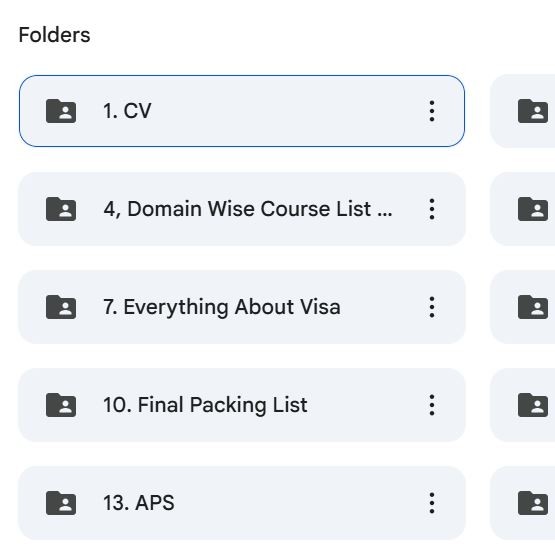
Ultimate Guide for studying in Germany
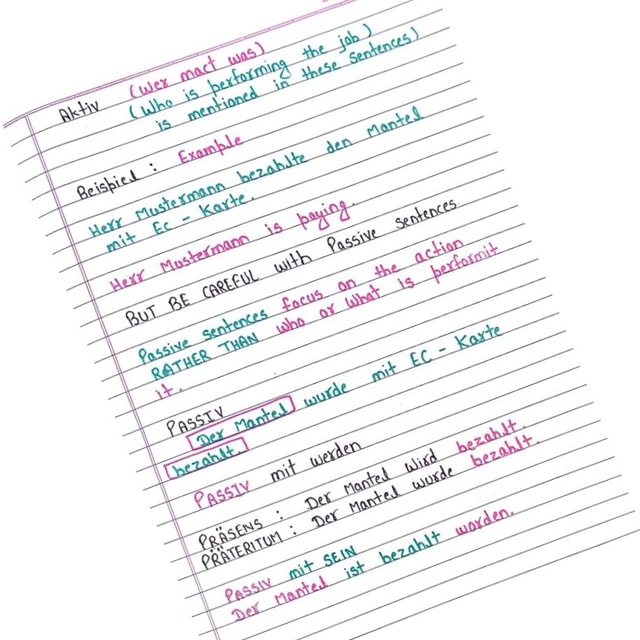
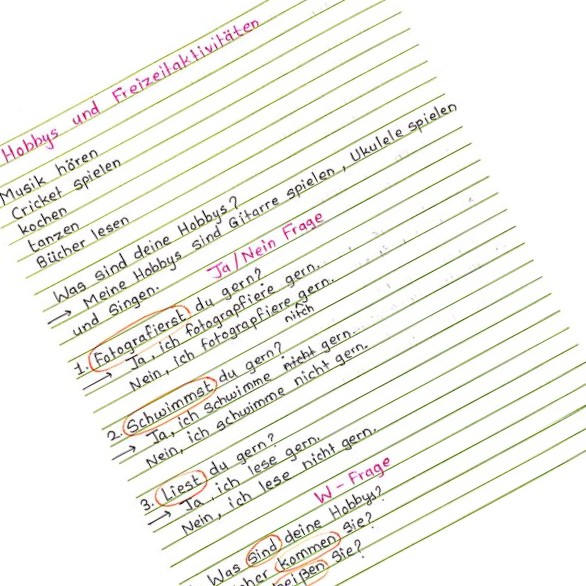
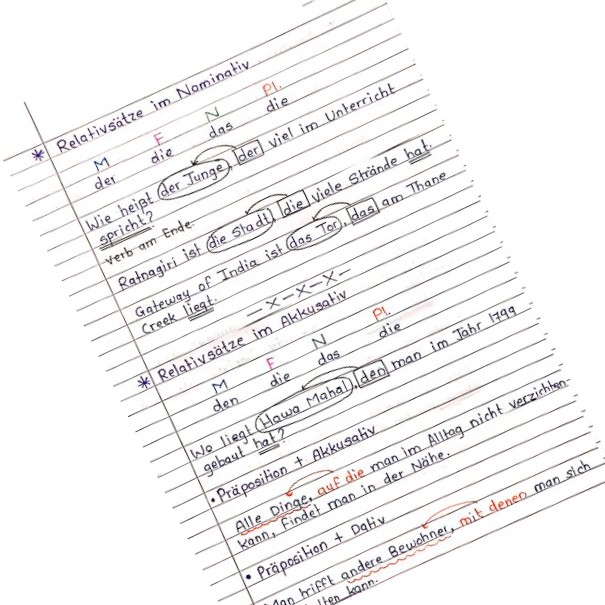

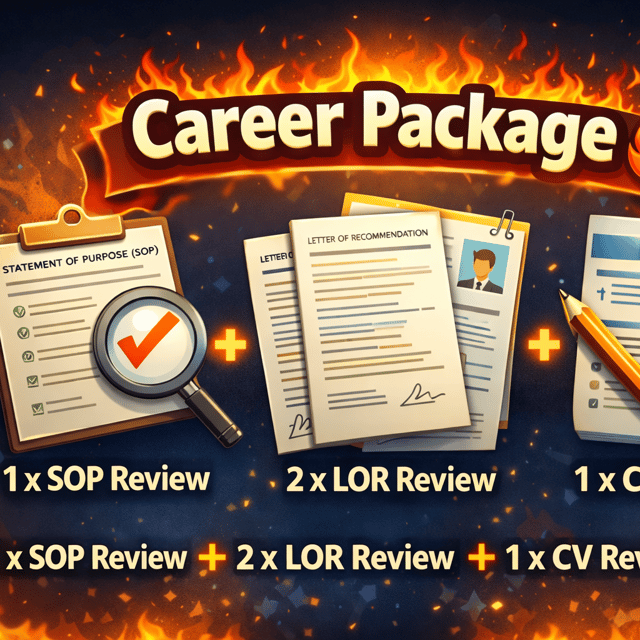
Combo Package

About me
- YouTube Videos about Life in Germanyhttps://www.youtube.com/channel/UCgXou6IAmUnFqPbqh8BMH_g

Frequently asked questions
How to study in Germany for free?
Choose a public university. More than 300 public universities in Germany charge no tuition for bachelor's and most master's programmes, regardless of nationality (only Baden-Württemberg charges non-EU students around €1,500 per semester). You pay only a semester contribution of roughly €150–€350, which usually includes local transport. Your real expense is living costs of about €950–€1,200 per month, proven through a blocked account of around €11,900 per year. Scholarships like DAAD funding and part-time work (currently up to 140 full working days a year) help offset costs. Germany funds its universities publicly to attract global talent, which is why studying in Germany is free even for international students.
Is studying in Germany worth it for Indian students?
For most Indian students in engineering, IT, data, and management — yes. You get world-ranked public universities with no tuition fee, an 18-month post-study residence permit to find a job, strong demand in automotive, manufacturing, IT, and healthcare, and a clear path to PR through the EU Blue Card. Your main investment is living costs rather than tuition. The trade-offs: admissions to popular programmes are competitive, and German language skills matter a lot for landing jobs faster. If you want global exposure at the lowest total cost, Germany is one of the best value-for-money destinations for Indians.
How to study in Germany after 12th?
For a bachelor's, German public universities expect a school-leaving qualification equivalent to the German Abitur. Depending on your board and subject combination, you may qualify for direct admission or need to complete a Studienkolleg (foundation year) after an entrance assessment. Most bachelor's programmes are taught in German (B2–C1 level needed), and English-taught options are limited. You will also need the APS certificate, proof of finances through a blocked account, and a student visa. A German bachelor's typically takes about 3 to 3.5 years.
What is the process to study in Germany for Indian students?
The typical sequence: shortlist your course and intake, confirm eligibility and language requirements (IELTS/TOEFL for English-taught or German B2–C1 for German-taught programmes), get your APS certificate, apply through uni-assist or directly to universities, receive your admission letter, open a blocked account, buy health insurance, and book a visa appointment at the German mission in your region. Start 10–12 months before your intended intake, because APS processing and visa appointments each take time.
What is required to study in Germany?
You need an admission letter from a recognized German university, the APS certificate (mandatory for Indian applicants), proof of finances through a blocked account of around €11,900 for the first year, health insurance, and proof of language proficiency (usually IELTS around 6.0–6.5 for English-taught courses or German B2–C1 for German-taught ones). Academic transcripts, a motivation letter, CV, and recommendation letters are needed for applications, followed by a valid passport and student visa once admitted.
What is a dual study program in Germany?
A dual study program (Duales Studium) combines classroom learning at a university or academy with paid practical phases at a company. You typically study for 3–4 years, alternate between theory semesters and on-the-job training, and receive a monthly salary throughout. Most programmes are taught in German (B2–C1 required) and are common in engineering, IT, and business. You apply directly to the partner company, and many students are retained as full-time employees after graduating.
Can I study in Germany in English?
Yes — for master's students. Germany offers well over 1,000 English-taught master's programmes, especially in engineering, computer science, and management. Bachelor's programmes, however, are predominantly German-taught with limited English options. For daily life, part-time jobs, and internships, learning German even at A2–B1 level makes a big difference, and reaching B1 or higher greatly improves your employment chances after graduation.
How long is a master's degree in Germany?
A master's degree in Germany usually takes 2 years (4 semesters, around 120 ECTS credits), though some programmes are compressed into 3 semesters (1.5 years). Engineering, science, and management programmes generally follow the 4-semester structure, and many include an industry thesis or internship in the final semester, which also helps with job placement.
How to apply for masters in Germany?
Start by shortlisting programmes on the DAAD database and checking whether your CGPA and curriculum credits match the entry requirements. Get your APS certificate early, book your IELTS or German test date, and prepare transcripts, a letter of motivation, CV, and recommendation letters. Deadlines are usually 15 July for the winter intake and 15 January for the summer intake, with many universities routing applications through uni-assist (VPD). Since course-matching rules and document formats trip up most applicants, planning a masters in Germany for Indian students should ideally begin about a year before the intake.
Are study in Germany consultants worth it?
It depends on what you are paying for. Most of the process — shortlisting, applications, APS, blocked account, visa — can be done yourself using free official resources, so be cautious of agencies charging large fees for basic form-filling. Treat "guaranteed admission" or "guaranteed visa" claims as red flags, since no consultant controls visa decisions. A better-value option many students now prefer is an independent mentor who has actually studied and currently works in Germany, giving firsthand, up-to-date guidance on admissions, blocked account, visas, and the job market at a fraction of agency fees.
How to get a German student visa from India?
The sequence is: secure admission → get your APS certificate → open a blocked account (around €11,900) → buy health insurance → book an appointment at the German mission/VFS centre for your region (Delhi, Mumbai, Chennai, Bangalore, Kolkata, Hyderabad) → submit documents and biometrics → await the decision. The German student visa documents checklist generally includes your valid passport, admission letter, APS certificate, blocked account confirmation, health insurance proof, academic transcripts and certificates, language test scores, motivation letter, CV, and the visa fee receipt. Book your appointment 4–6 months before your intake, as slots fill up fast.
How long does a German student visa take to process?
Most Indian applicants receive a decision in about 6–12 weeks after submission, though the peak season (May–September) can stretch it further. If you are wondering why the German student visa is delayed beyond that window, the usual causes are appointment backlogs, additional verification of documents, pending APS clearance, or minor inconsistencies in paperwork. Applying as early as possible with a complete, consistent file is the best way to avoid delays.
What is the German student visa fee?
The German student visa fee is €75 (roughly ₹7,000) for the national (D) visa, payable at the time of your appointment, plus a separate VFS service charge. The fee is non-refundable even if the visa is rejected, so make sure your documentation is complete and consistent before booking your appointment.
Why does a German student visa get rejected?
The most common reasons are doubts about whether you are a genuine student, an insufficient or improperly funded blocked account, inconsistencies between your documents and your stated study plan, a weak or copied-sounding motivation letter, unexplained academic gaps, inadequate language proficiency proof, or issues with the admitting university's recognition. Most rejections are avoidable — submit a complete and consistent file, fund the blocked account correctly, and be clear and honest about why you chose that specific course and university in your interview.