Testimonials
Services
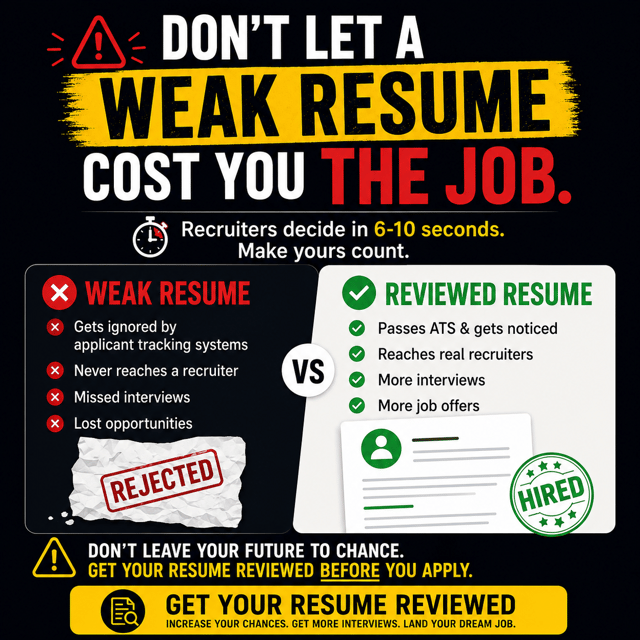
Is Your Resume Costing You Interviews?

Ace Your Interview with Realistic Mock Sessions

Job Profile Review |Resume, LinkedIn & Naukri
DevOps Interview Prep Guide: 30/60/90-Day Plan
DevOps & Cloud Scenario Based Interview Q&A(200+)
About me
Frequently asked questions
How to become a DevOps engineer from scratch?
If you want to know how to become a DevOps engineer, learn in this order: Linux and networking basics, Git, one cloud platform (AWS, Azure, or GCP), Bash or Python scripting, Docker, Kubernetes, a CI/CD tool such as Jenkins or GitHub Actions, and Terraform for infrastructure as code. Any solid DevOps roadmap for beginners follows this exact sequence because every tool builds on the one before it. Expect around 6–9 months of consistent practice, and build a small project at each stage — a simple app deployed through an automated pipeline teaches more than any certificate alone.
What does the DevOps roadmap 2026 look like?
The DevOps roadmap 2026 keeps the same core stack — Linux, Git, one cloud platform, Docker, Kubernetes, CI/CD, and Terraform — but adds three newer expectations: GitOps and platform engineering practices, DevSecOps and cloud security basics, and comfort with AI tools for scripting, debugging, and documentation. Companies now assume DevOps engineers can automate securely and explain reliability and cost impact, so security and observability are no longer optional add-ons. Master the fundamentals first, then layer these on, since interviewers still test the basics hardest.
Where can I download a DevOps roadmap PDF?
You can download a DevOps roadmap PDF from free GitHub repositories and interactive roadmap websites, though most only list tools without explaining what to learn first or which resources to use. Curated roadmap PDFs put together by working DevOps mentors are more practical because they bundle tools, learning resources, and project ideas in the right order. Whatever you pick, treat the PDF as a checklist to practise against, not something to simply read once.
What are the most common DevOps interview questions and answers?
The most common DevOps interview questions and answers revolve around a predictable set of areas: Linux commands and troubleshooting, Git workflows, CI/CD pipeline design in Jenkins or GitHub Actions, Docker versus virtual machines, Kubernetes objects and debugging, Terraform state management, core AWS services, and monitoring basics. Expect at least one scenario question too, such as a failed deployment or a crashing application. Prepare by explaining your own projects aloud, because interviewers can immediately tell memorised answers from hands-on understanding.
What are the typical DevOps interview questions and answers for freshers?
DevOps interview questions and answers for freshers stay close to fundamentals: what DevOps is and why companies adopt it, the difference between continuous integration and continuous deployment, basic Linux commands, simple Docker concepts, and entry-level cloud questions. Interviewers also assess how you learned, so be ready to walk through a personal project, internship, or lab setup where you built even a small pipeline. Clear basics plus one demonstrated project beat a long list of tools you cannot explain.
What topics do DevOps interview questions for 3 years of experience usually cover?
DevOps interview questions for 3 years of experience go beyond definitions into real operating experience: Kubernetes troubleshooting such as CrashLoopBackOff and resource limits, advanced pipeline design, Terraform state and module decisions, AWS networking, incident handling, and the scale of systems you personally managed. Be ready with specifics — deployment frequency, outages handled, automation impact. At this level, "we did it as a team" answers score far lower than "here is what I owned".
What are scenario-based DevOps interview questions and answers for experienced candidates?
Scenario-based DevOps interview questions and answers for experienced candidates usually begin with a production problem — a pod stuck in CrashLoopBackOff, a pipeline that passes locally but fails in staging, a Terraform apply that broke infrastructure, or an app slowing down after a release. What interviewers evaluate is your step-by-step debugging approach: check logs, narrow the layer, isolate the change, fix, and prevent recurrence. Practise narrating real incidents from your work in a problem–action–result format.
Where can I find a good DevOps interview questions and answers PDF?
A useful DevOps interview questions and answers PDF should be organised topic-wise and by experience level, include scenario-based questions, and cover tools that are actually asked today — Kubernetes, Terraform, Jenkins, GitHub Actions, and AWS — instead of outdated material. Question banks compiled by working DevOps engineers are far more reliable than random collections floating online. Use the PDF for revision after hands-on practice, because reading answers without doing the work shows up quickly in interviews.
Which Azure DevOps interview questions are asked most often?
The most frequently asked Azure DevOps interview questions cover YAML pipelines versus classic pipelines, Microsoft-hosted versus self-hosted agents, service connections and permissions, variable groups, branch policies, Azure Boards, and deploying applications to Azure App Service or AKS through a pipeline. Interviewers also check whether you can map these features to general CI/CD concepts, so do not learn the tool in isolation. If the job description mentions Azure, expect at least one hands-on pipeline scenario.
How to make a DevOps resume that gets shortlisted?
To make a DevOps resume that gets shortlisted, start with a clear headline and summary, group your skills by category (cloud, CI/CD, containers, IaC, monitoring), and write every experience bullet as an achievement with a number — for example, automating deployments to cut release time or reducing cloud costs through right-sizing. Keep it to one or two pages, mirror keywords from each job description so it clears ATS filters, and add two or three hands-on projects with GitHub links if your experience is still light.
How to mention DevOps in a resume the right way?
The right way to mention DevOps in a resume is to use exact tool and platform names — AWS, Kubernetes, Terraform, Jenkins, Docker — in your skills section, your summary, and inside achievement bullets, because recruiters and ATS software search for those literal terms. If you're moving from a development, support, or QA background, present the DevOps work you already do, like writing pipelines or managing cloud resources, as explicit projects rather than burying it in responsibilities. Never list a tool you cannot comfortably be quizzed on.
What should a DevOps resume for freshers include?
A DevOps resume for freshers should include a short summary naming your target role, a skills section limited to tools you have genuinely practised, two or three projects — such as a CI/CD pipeline for a sample application or a containerised app deployed on a cloud free tier — relevant certifications, your GitHub link, and education. Skip skill-rating charts and every tool you have only watched a tutorial on, because fresher interviews tend to test each line of your resume.
What should a DevOps resume for 3 years of experience highlight?
A DevOps resume for 3 years of experience should highlight ownership and outcomes rather than tool lists: the scale and criticality of environments you handled, automation you introduced, incidents you resolved, and measurable improvements in deployment speed, uptime, or cloud cost. Show depth in Kubernetes, Terraform, and one primary cloud platform, and demonstrate progression from executing tasks to designing pipelines and infrastructure yourself. Recruiters at this stage are screening for someone who can work independently in production.
Where can I find an ATS-friendly DevOps resume template?
You can find a DevOps resume template that is ATS-friendly on GitHub, Google Docs, and through DevOps mentors who review resumes regularly and design templates around what recruiters actually filter for. Whichever you use, keep a single-column layout with standard section headings, avoid tables, columns, and graphics in key areas, and customise the skills and keywords for every job description instead of sending the same version everywhere.
How do I optimize my Naukri profile for DevOps jobs?
To optimize your Naukri profile for DevOps jobs, put the exact role and top tools in your headline (for example, "DevOps Engineer | AWS | Kubernetes | Terraform"), fill every skill field with the terms recruiters actually search, refresh the profile every few weeks, and keep the uploaded CV consistent with the profile content. Naukri's recruiter search runs on keyword relevance and profile freshness, so an incomplete profile can stay invisible even when your experience fits the role.