Testimonials
Services
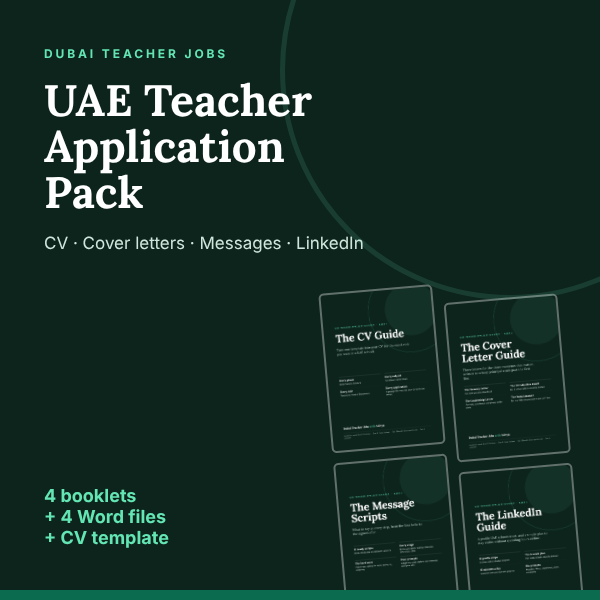
UAE Teacher Application Pack
FEEDBACK on CV
UAE School Interview Prep & Tips
1:1 Mentorship on Hiring Criteria
DEMO LESSON Preparation
About me
- Aditya's CV tips were game-changing! Got shortlisted by 3 top Dubai schools within 2 weeks. His insights on ATS-friendly formatting made all the difference.Recommended by Nimmy on

- Best investment for my teaching career in Dubai. The mock demo lesson session boosted my confidence tremendously. Landed my dream job at a British curriculum school!Recommended by Christopher on
- No fluff, just real advice from someone who knows the Dubai education scene inside out. Got my offer letter within a month!Recommended by Madhavi on
- Straightforward, friendly, and knowledgeable. His guidance on interview questions prepared me for exactly what they asked. Thank youRecommended by El Sayed on
Frequently asked questions
How to get teaching jobs in Dubai?
Most Dubai schools expect a bachelor's degree in the subject (or in education), a recognised teaching qualification such as a B.Ed or PGCE, and at least one to two years of classroom experience. The practical steps are: get your degree certificates attested, build an ATS-friendly CV tailored to the curriculum you are targeting (British, American or IB), apply to schools that match your experience level, and prepare thoroughly for the interview and demo lesson stages. Since recruiters often shortlist CVs in seconds, aligning your application with what UAE schools actually scan for makes the biggest difference.
Is it easy to get a teaching job in Dubai?
It is competitive. Popular schools receive hundreds of applications for a single vacancy, and established British, American and IB curriculum schools usually prefer candidates with recognised qualifications and relevant curriculum experience. It becomes far more achievable when your CV passes the initial screening, you understand what interview panels look for, and you target schools that genuinely match your profile. Many first-time applicants underestimate how much weight the demo lesson and KHDA-aligned interview answers carry in the final decision.
How to apply for teaching jobs in Dubai?
Apply directly through the careers pages of major school groups such as GEMS Education, Taaleem and Aldar Education, through specialist education job boards such as TES, and via recruitment agencies and international job fairs. Tailor your CV to each school's curriculum, keep attested degree certificates and references ready, and expect a multi-stage process that usually includes an interview and often a demo lesson before an offer is made.
Can I get teaching jobs in Dubai with no experience?
It is possible but harder. Most established schools ask for at least two years of full-time classroom experience, though some consider strong fresh graduates for entry-level or teaching assistant roles, especially in primary. When you have no experience, your teaching qualification, subject knowledge and demo lesson performance carry extra weight, so it helps to target the right schools and roles rather than applying everywhere at once.
What qualifications do I need for primary teaching jobs in Dubai?
Typically a bachelor's degree plus a recognised teaching qualification such as a B.Ed, PGCE or an equivalent primary education licence. Dubai private schools also process KHDA approval for teachers after hiring, and non-native English speakers are often asked for an IELTS score, commonly around 7.0 for British curriculum schools. Experience with the relevant curriculum — EYFS and Key Stages for British schools or the IB PYP — makes shortlisting significantly easier.
When should I start applying for teaching jobs in Dubai in 2026?
The main recruitment season for an August/September start generally runs from October to February, with schools interviewing and offering months before the academic year begins. Get your CV, attested certificates and references ready by late 2025 so you can apply as soon as vacancies open. Mid-year (January) vacancies are usually advertised a few months in advance, and some schools also recruit year-round to replace departing teachers.
What is the average teacher salary in the UAE?
Teacher salaries in the UAE vary widely by school, curriculum and experience, but many full-time international school teachers earn roughly AED 8,000–15,000 per month, while premium British and IB schools often pay AED 15,000–25,000 or more for experienced staff. Salaries are generally tax-free, and packages commonly add housing allowance or accommodation, annual flights and medical insurance. Leadership roles and high-demand subjects sit at the top of these ranges.
Are there any teacher salary deductions in the UAE?
The UAE does not deduct income tax from teacher salaries, which is why offers often look higher than comparable roles elsewhere. Deductions that can apply depend on your contract: contributions if you enrol in a pension or home-country scheme, accommodation charges if housing is not fully covered, dependent visa or tuition costs, and unpaid leave. Also check how the package is split between basic salary and allowances, because end-of-service gratuity is usually calculated on the basic portion only.
What is a UAE teacher salary in Indian rupees?
At an exchange rate of roughly AED 1 = ₹23–24, a monthly salary of AED 10,000 is about ₹2.4 lakh and AED 15,000 is about ₹3.6 lakh. Because salaries are tax-free and housing or allowances are often included, many Indian teachers are able to save a meaningful share of their income, especially when accommodation is provided by the school. Exchange rates fluctuate, so convert at the current rate before you budget.
Is an Abu Dhabi teacher salary different from Dubai?
The ranges are broadly similar across the two emirates, and both are tax-free. Abu Dhabi schools, regulated by ADEK, often offer strong packages with housing allowances, and some teachers find Abu Dhabi offers better overall value because living costs can be lower than in Dubai. Since premium school groups in both cities compete on total benefits, compare housing, flights, insurance and children's tuition support — not just the base salary.
What are the most common Dubai teacher interview questions?
Panels typically ask about classroom management, differentiation for mixed-ability classes, assessment and use of data, safeguarding, parent communication, and how you align with the school's values and curriculum. In Dubai you should also expect questions tied to KHDA inspection priorities such as student progress and outcomes. Structured answers backed by real classroom examples, plus a few thoughtful questions for the panel, set strong candidates apart.
How do I prepare a demo lesson for Dubai schools?
Keep it short, tightly structured and student-centred: a clear learning objective, an engaging starter, a main activity with differentiation, and a plenary that checks progress. Schools judge how you teach, not just what you teach, so build in questioning, pair work and assessment for learning. Match the lesson to the school's curriculum and year group, rehearse your timing, and always have a backup plan in case technology fails.
What should a teacher CV for Dubai schools include?
A clean, ATS-friendly layout with clear headings; curriculum keywords such as British, American or IB, along with the frameworks or exam boards you have taught; quantified achievements rather than plain job descriptions; and your teaching qualifications and licence status. In the UAE market it is also common to include a professional photo, nationality and visa status. Keep it to two pages, lead with your most relevant experience, and mirror the language used in the job advert so keyword scanners pick it up.
What is KHDA and why do Dubai schools expect teachers to know it?
KHDA — the Knowledge and Human Development Authority — is the regulator of private education in Dubai. It inspects and rates schools, and those inspection priorities shape what schools expect in teaching, assessment and self-evaluation. When you can reference KHDA's focus areas such as student progress, wellbeing and teaching quality in your CV, interview answers and demo lesson, you signal that you already understand the system you are joining, which panels usually read as a strong advantage.
Do UAE schools sponsor teacher visas?
Yes, full-time expatriate teaching contracts normally include employment visa sponsorship, with the school handling the work permit and residence visa process. Many packages also cover housing or a housing allowance, annual flights and medical insurance, while dependent visas and children's school fees may be partly or fully your responsibility. Always confirm exactly what the contract includes before signing, including notice periods and end-of-service benefits.