Testimonials
Services
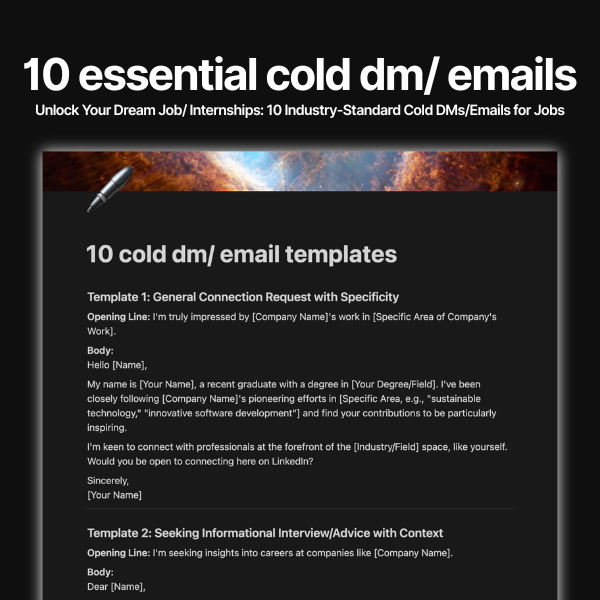
10 industry standard cold dm/ emails for jobs
30 Essential SQL Questions
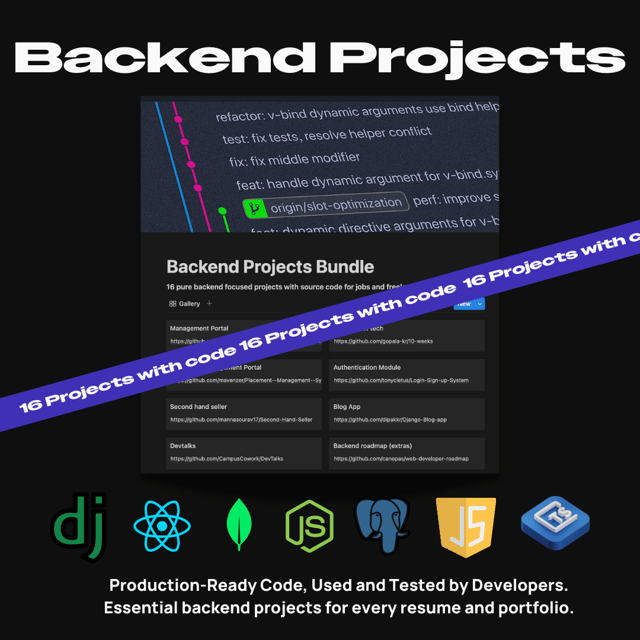
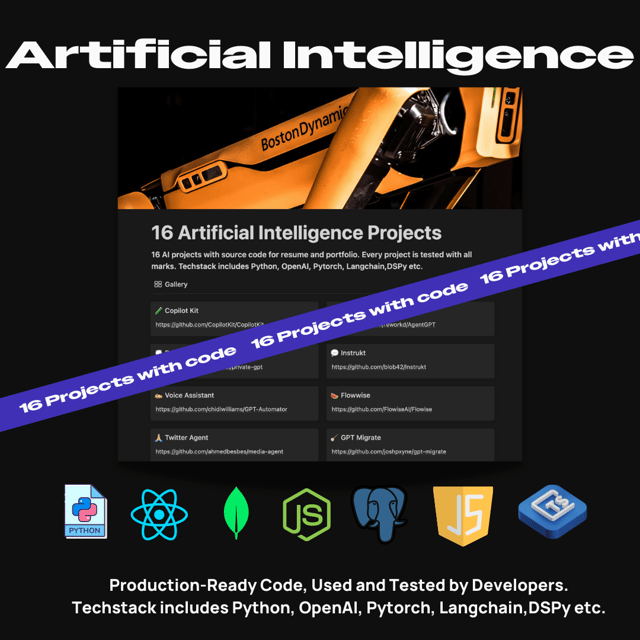
Backend Projects Bundle (16 Projects with code)
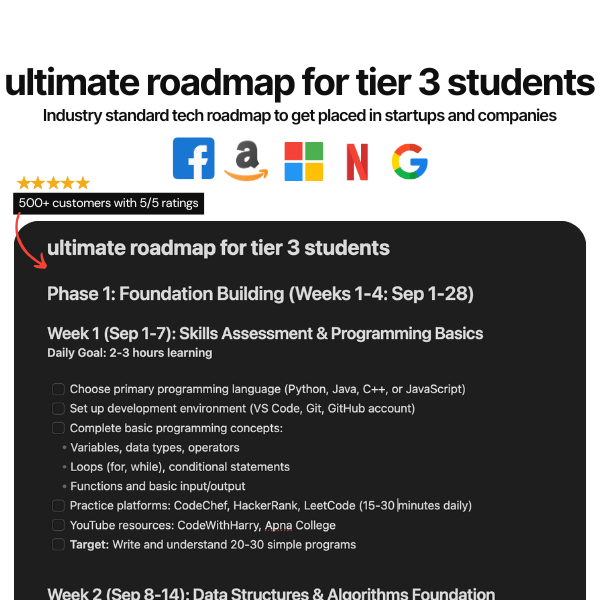
Ultimate roadmap for tech jobs
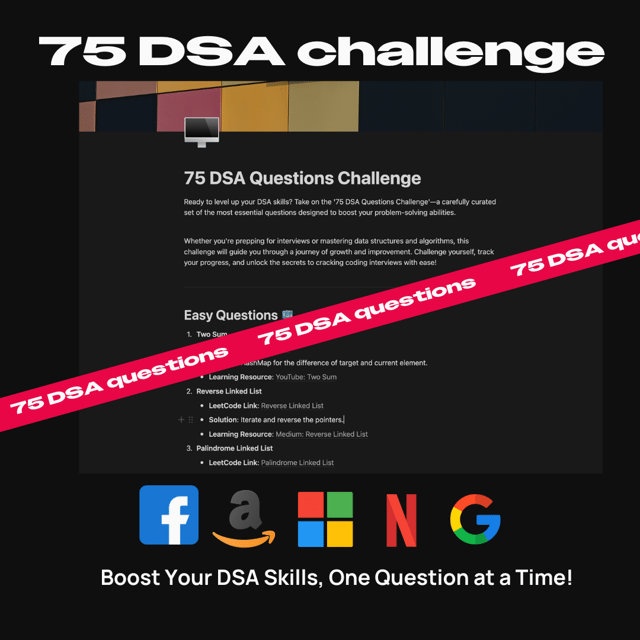
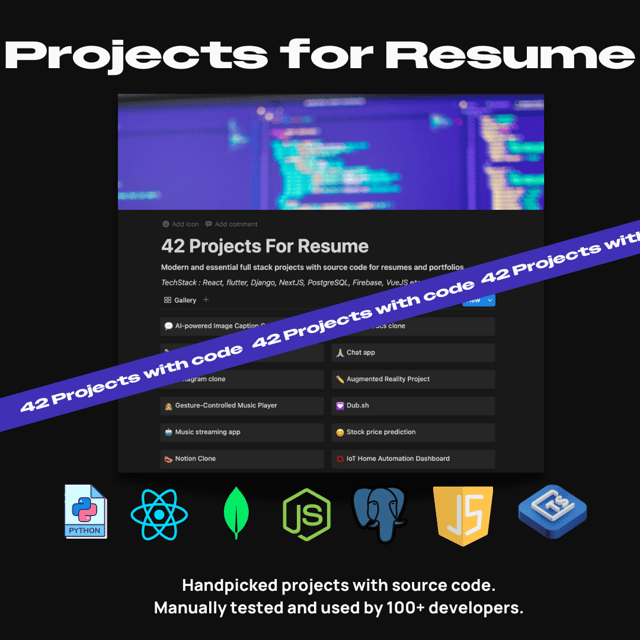
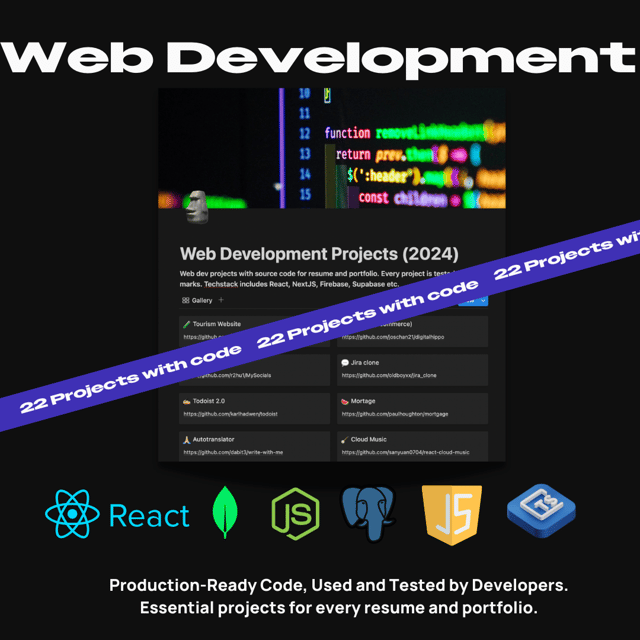
Essential 42 Projects For Resume with Source Code
Top 25 SQL Questions
Interview ready - Handwritten SQL notes PDF
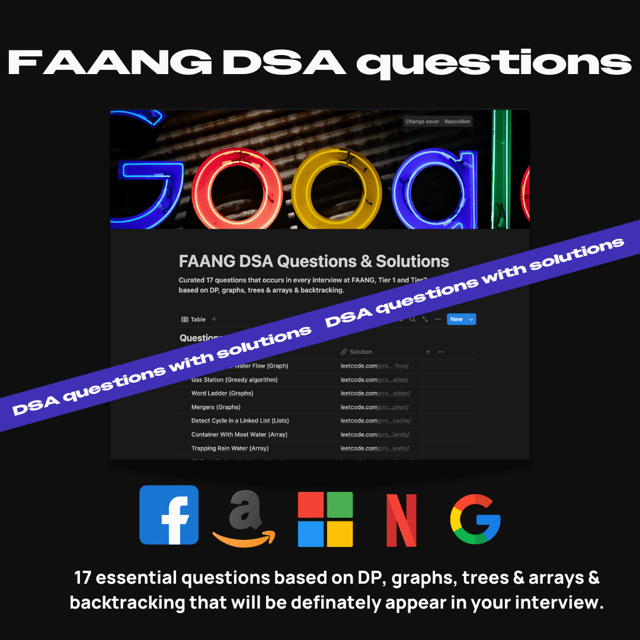
FAANG DSA Questions Bundle (with Solutions)
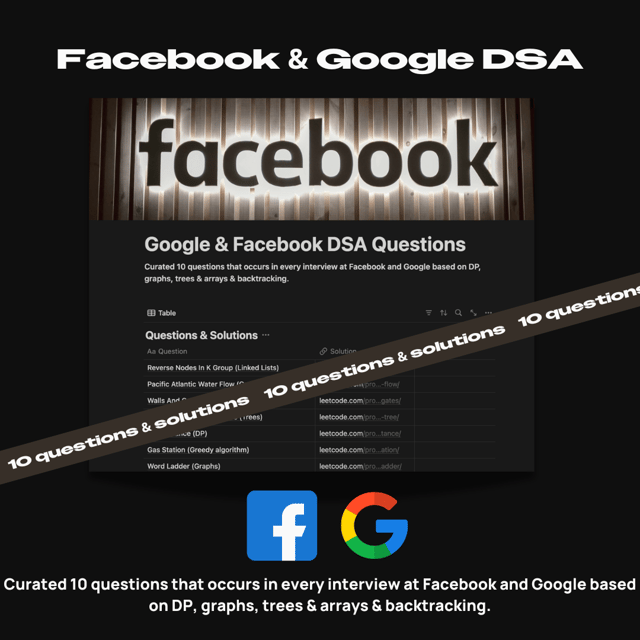
Google & Facebook DSA Questions (with solutions)
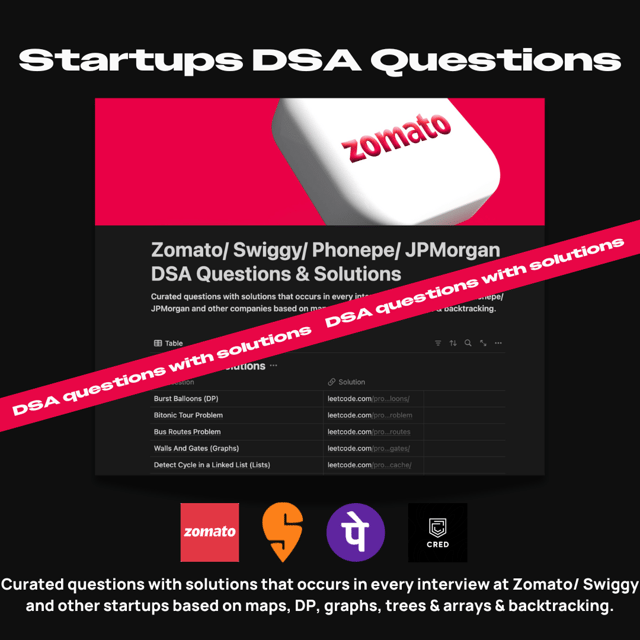
Startups DSA Questions bundle (With solutions)
MERN Stack Guide
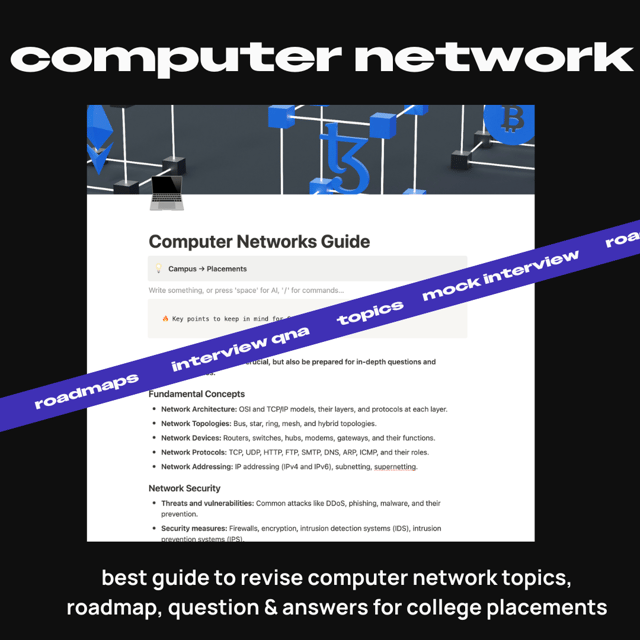
05 cold dms/email templates for interviews
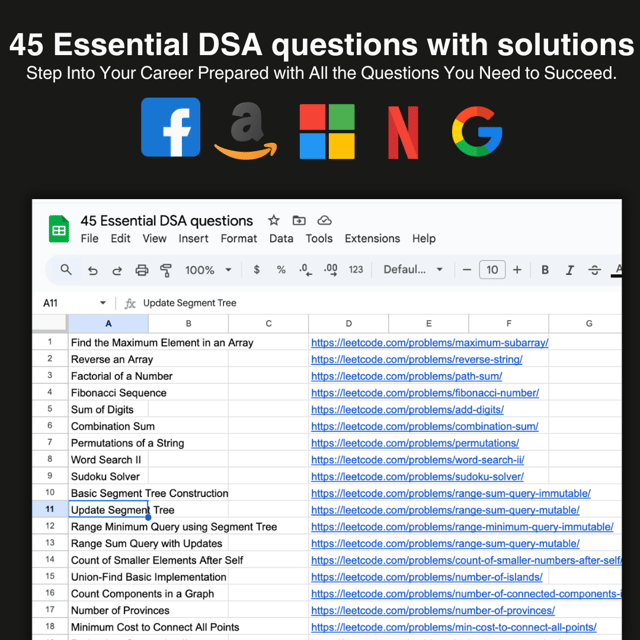
45 Essential DSA Questions with solutions
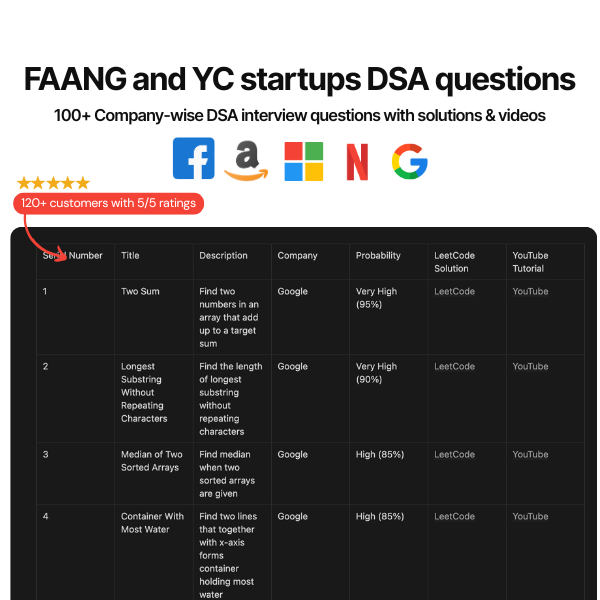
FAANG and YC startups based DSA questions
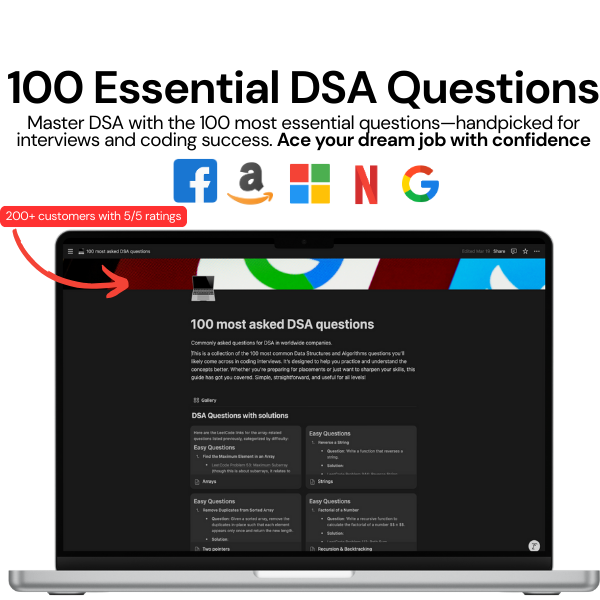
100 Most asked DSA questions with solutions
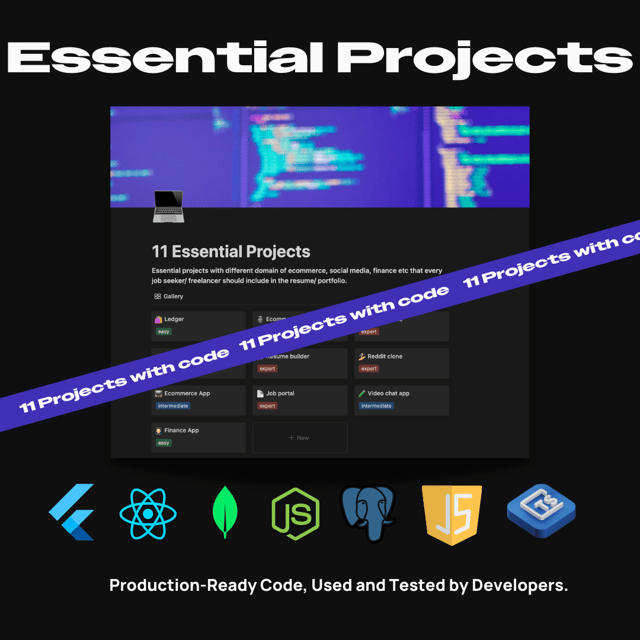
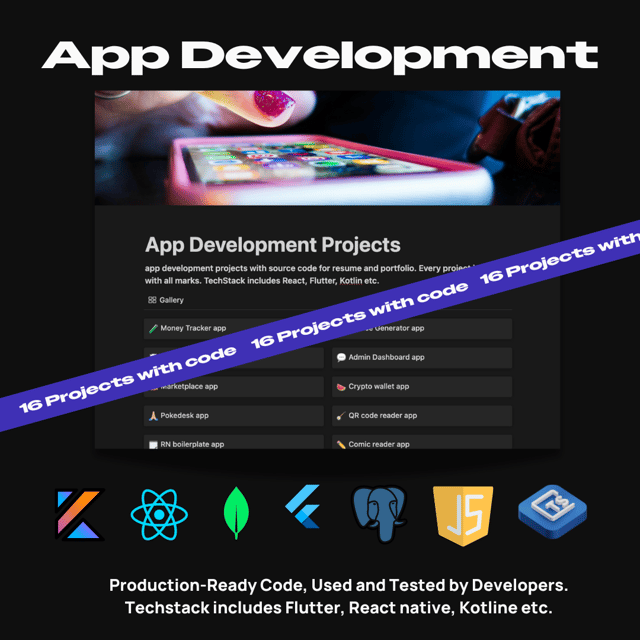
11 Essential Projects For Resume/ Portfolio
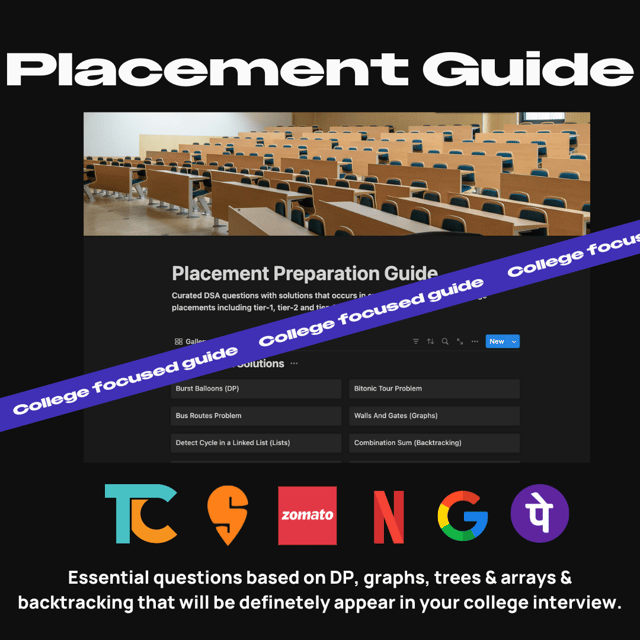
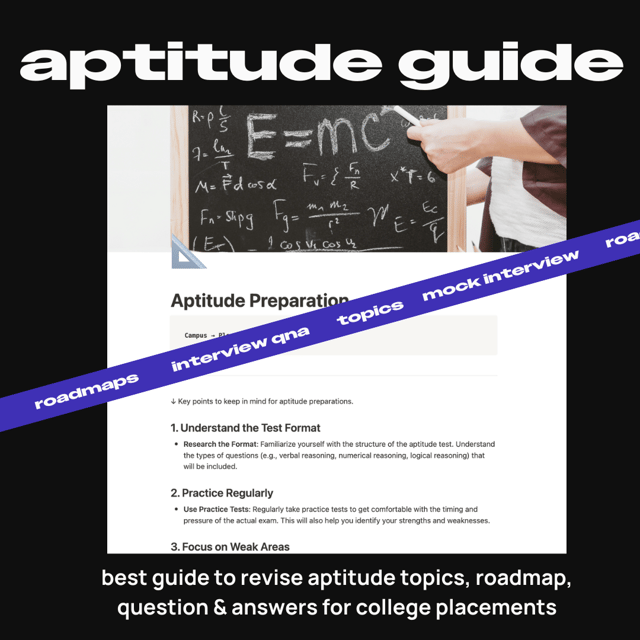
College Placement Guide (Get placed now!)
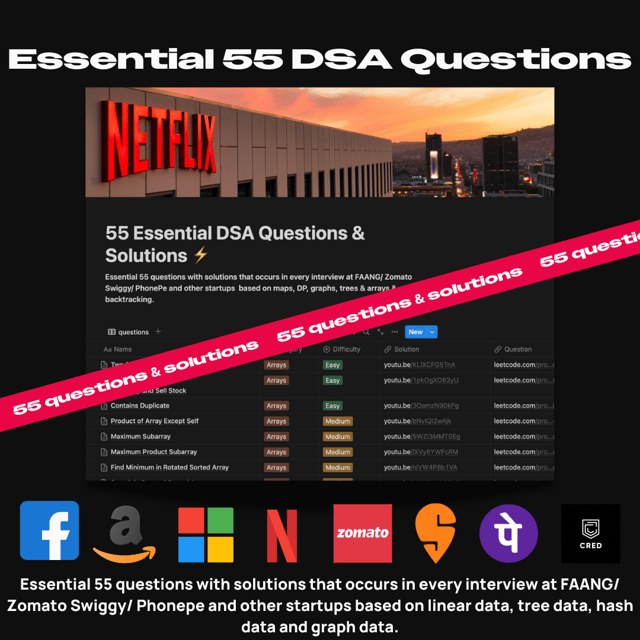
55 Essential DSA Questions & Solutions
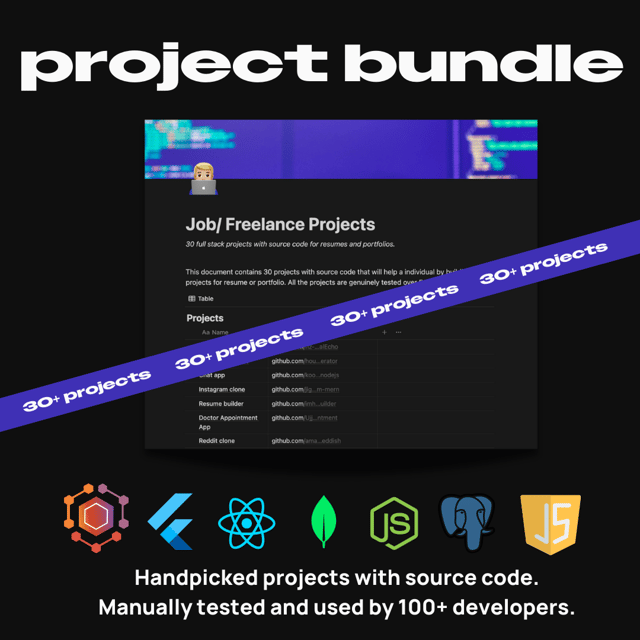
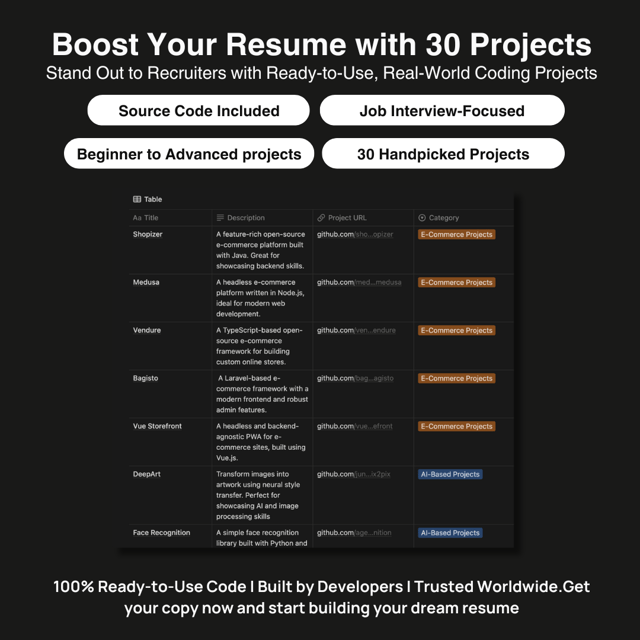
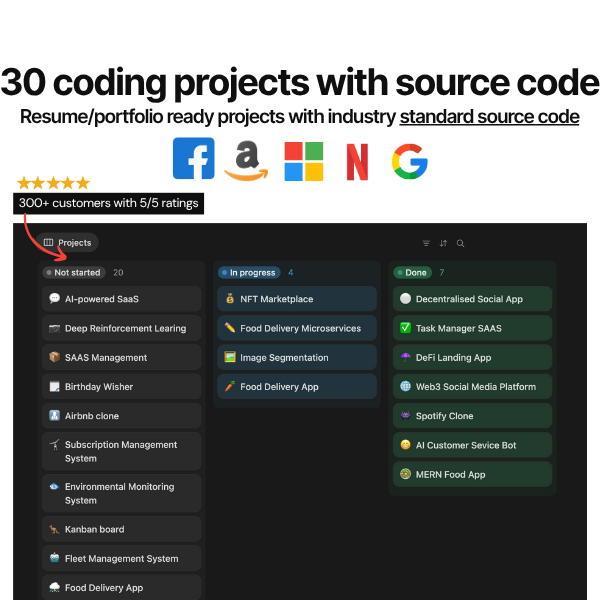
Project Bundle (30 Projects with Source code)
About me
- abhishvek chavhanhttps://bento.me/abhishvek
- Abhishvek Chavhan offers impactful, insightful guidance and effective knowledge sharing, positively influencing career growth.
 AI-generated based on testimonials
Frequently asked questions
What is Flutter?
Flutter is Google's open-source UI toolkit used to build native Android, iOS, web, and desktop apps from a single codebase using the Dart language. It is widely adopted by startups and enterprises in India because it cuts development time and cost significantly, which is why Flutter developer roles keep growing every year.
How to prepare for a Flutter interview?
Here's how to prepare for a Flutter interview: master Dart fundamentals, the widget lifecycle, layout and constraints, state management (setState, Provider, BLoC or Riverpod), navigation, async/await, and basic testing. Then build two or three real projects you can explain in depth, and rehearse frequently asked questions aloud. A mock round with an experienced Flutter developer helps you spot weak areas before the actual interview.
Which topics do most Flutter interview questions cover?
Most Flutter interview questions revolve around the widget tree and element tree, StatelessWidget vs StatefulWidget, keys and BuildContext, state management approaches, Futures and async/await, Dart OOPs concepts, hot reload, navigation and routing, and performance basics. For senior roles, expect architecture patterns, platform channels, and testing strategy as well.
What are the common Flutter interview questions and answers for freshers?
Freshers are usually asked what Flutter is and how it differs from React Native, to explain widgets and the difference between hot reload and hot restart, main-axis vs cross-axis alignment, setState, and basic Dart concepts like Futures. Prepare short, structured answers with a tiny code example for each, since interviewers value clarity over memorized definitions.
What are the typical Flutter interview questions for 5 years of experience?
Flutter interview questions for 5 years of experience go beyond widget basics and focus on state management architecture at scale, performance profiling with DevTools, memory optimization, writing testable code, CI/CD for mobile, platform channels, and mentoring juniors. Prepare real stories around apps you have shipped, the trade-offs you made, and the measurable impact of your decisions.
Which DSA questions for interviews should I solve first?
Start with arrays, strings, hashing, two pointers, and sliding window, then move to linked lists, stacks, queues, trees, and recursion before touching dynamic programming and graphs. Practicing curated DSA questions for interviews — including company-specific sets — is far more effective than solving random problems without a structure.
How many DSA questions for placement should I solve before campus season?
Around 100–150 well-chosen DSA questions for placement are usually enough if they cover all core patterns — arrays, strings, linked lists, trees, searching and sorting, and basic dynamic programming — instead of chasing a big number. Focus on explaining your approach clearly and coding confidently under time pressure, since that is exactly what campus interviewers test.
How to practice DSA questions the right way?
Pick one topic at a time, learn the underlying pattern, then solve easy and medium problems on it before moving on. Time-box each problem to 30–40 minutes, look at the optimal solution only after a genuine attempt, maintain a mistake log, and re-solve failed problems after a week. This is how to practice DSA questions so the patterns stick rather than the solutions.
How to solve DSA questions on LeetCode as a beginner?
The practical way to solve DSA questions on LeetCode is to start with Easy problems on arrays and strings, then follow a pattern-wise list before attempting Mediums. If you are stuck for 30–40 minutes, read the editorial, understand the intuition, and code it yourself without copying, then redo the same problem after a few days.
Is DSA important for software developer interviews?
Yes — DSA is important because most product-based companies and many service companies in India use it as the first screening filter for developer roles. It also sharpens your logic for real-world coding, which is why it matters even more for freshers who do not yet have work experience to show.
Where can I find a good DSA questions PDF with solutions?
Look for DSA questions PDF bundles that are organized topic-wise and company-wise, include step-by-step solutions, and cover frequently asked problems from FAANG, startups, and service companies. A good PDF explains the intuition behind every solution rather than dumping code, so you learn the pattern instead of memorizing answers.
Should I follow a DSA questions sheet or choose problems myself?
Follow a curated DSA questions sheet when you are starting out, because it ensures you cover every important pattern in the right order instead of picking problems randomly. Once the sheet is done, choose additional problems based on the companies you are targeting and your weak topics.
What are the most asked SQL interview questions for freshers?
SQL interview questions for freshers usually cover SELECT with WHERE and ORDER BY, all types of joins, GROUP BY and HAVING, aggregate functions, primary and foreign keys, DELETE vs TRUNCATE vs DROP, and basic normalization. Be ready to write queries live, not just explain theory, since most rounds include a hands-on query task.
How to prepare for SQL interview questions in a short time?
Here's how to prepare for SQL interview questions quickly: revise the basics first, then practice writing queries daily, with joins, aggregations, subqueries, and string and date functions getting the most attention. Solve frequently asked questions from real interviews and practice explaining your query logic aloud, because interviewers evaluate your thinking as much as your final answer.