Testimonials
Services
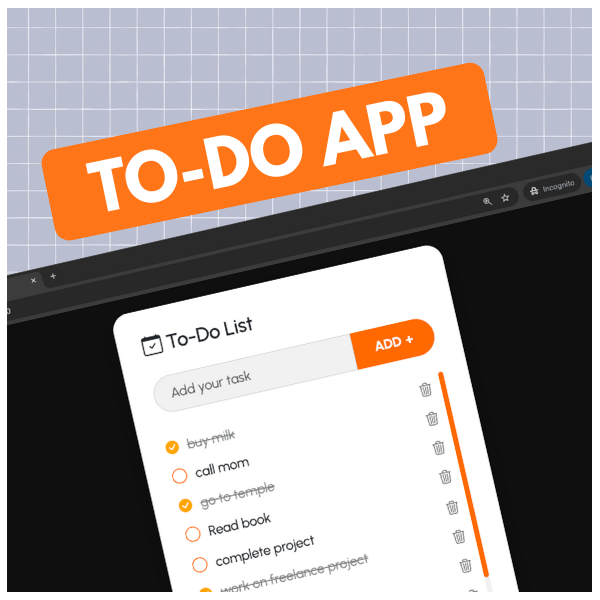
Todo Application with Beautiful UI (Spring Boot)
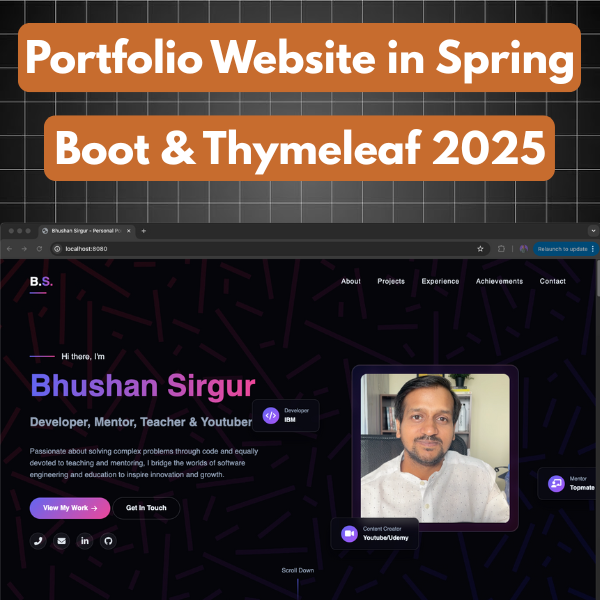
Portfolio Website in Spring Boot & Thymeleaf 2025
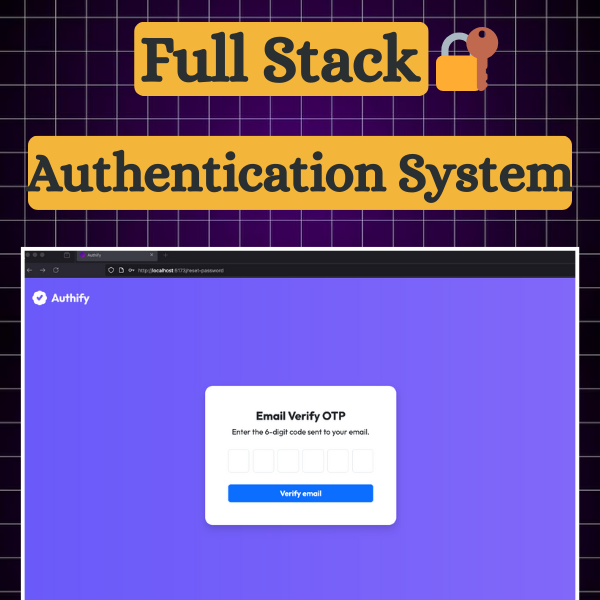
Spring Security & React (Email OTP + JWT)
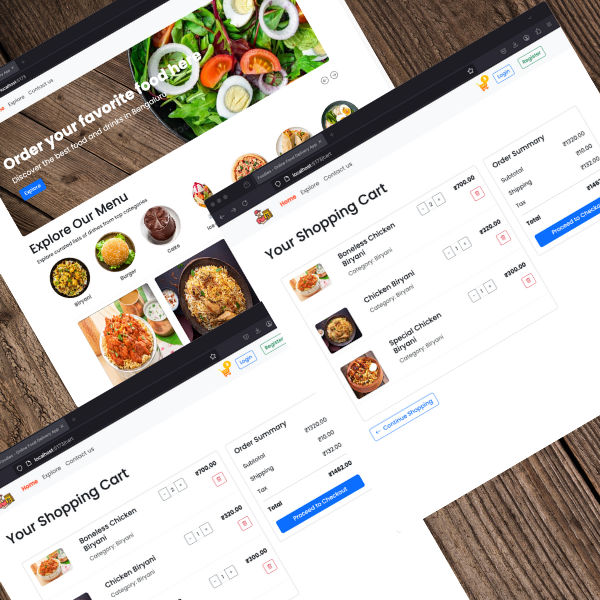
Online Food Delivery App Source code
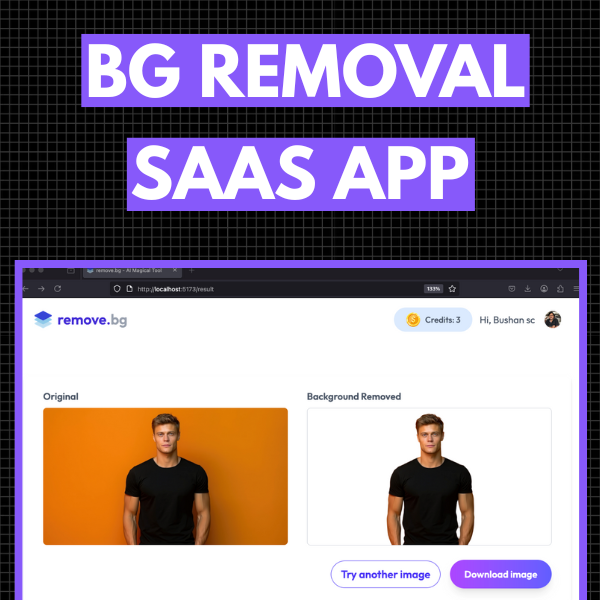
AI Powered BG Removal SAAS App - Full Stack App
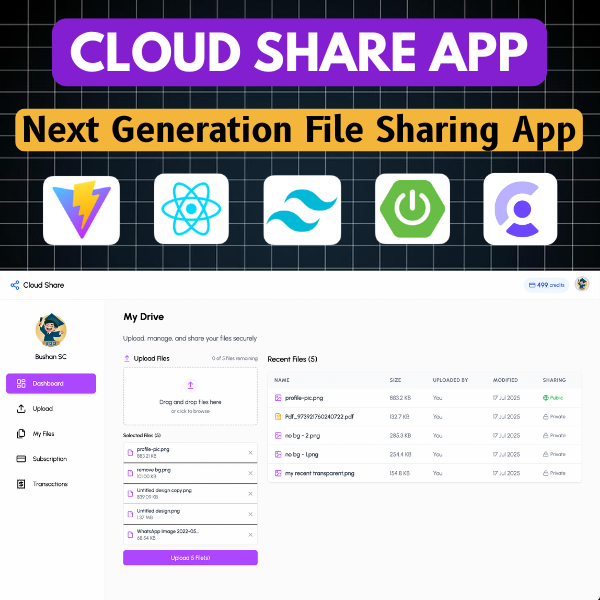
Cloud Share: Full-Stack File Sharing App 2025
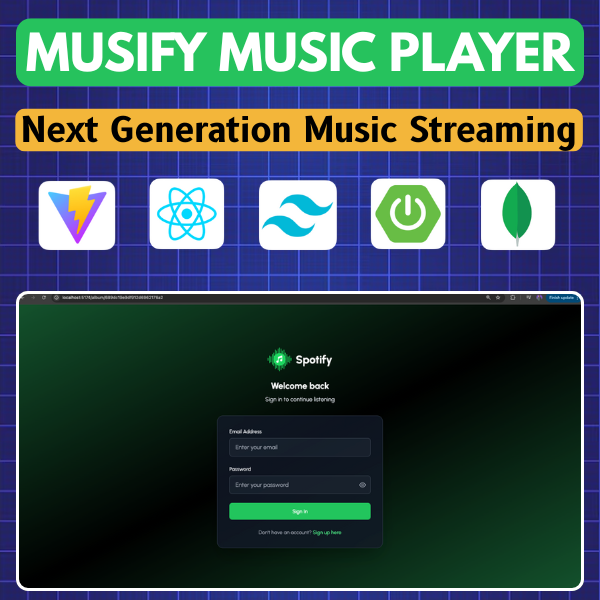
Musify: Next Generation Music App | Source Code
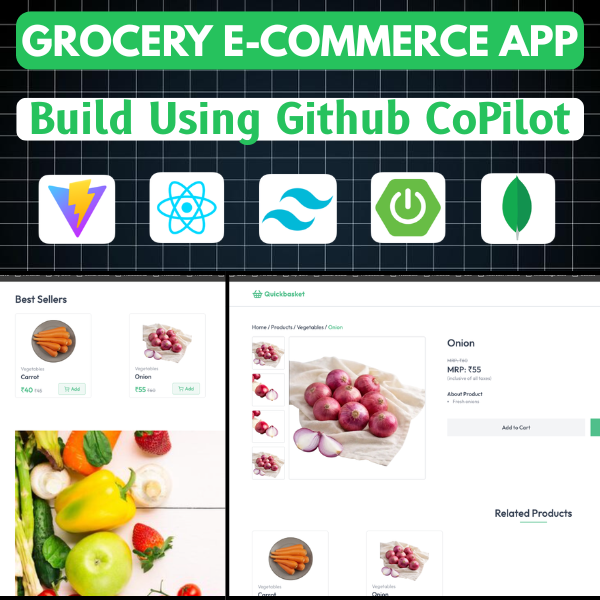
Grocery E-Commerce App- Build Using Github Copilot
1:1 Mentorship
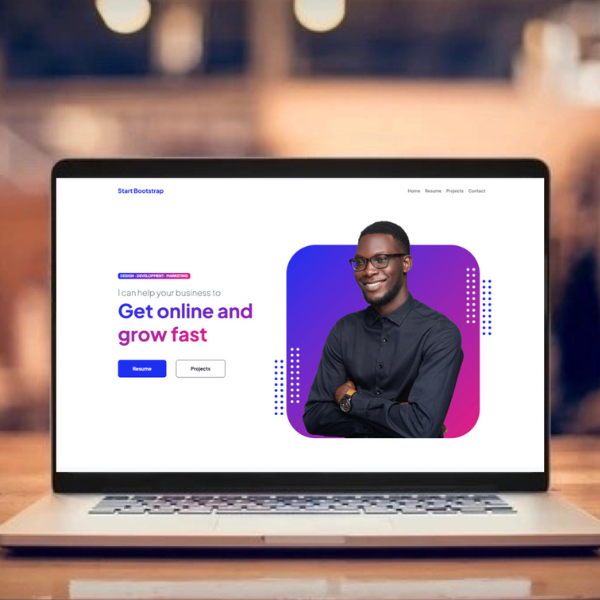
Portfolio Website Java Spring Boot | Full Project
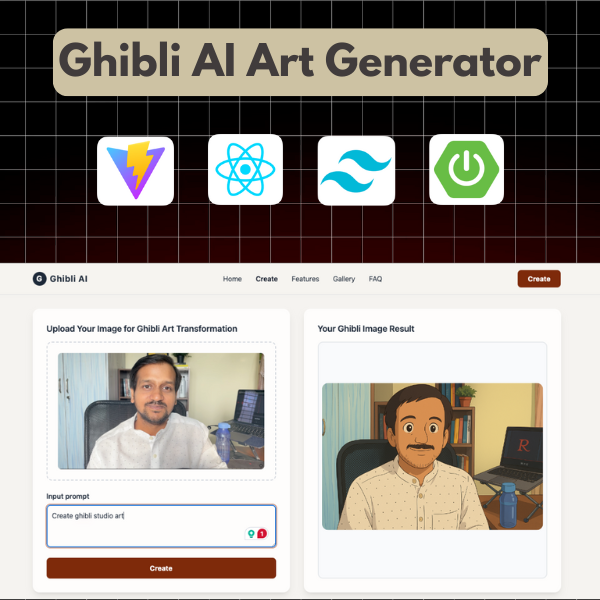
Ghibli AI Art Generator: React + Spring Boot
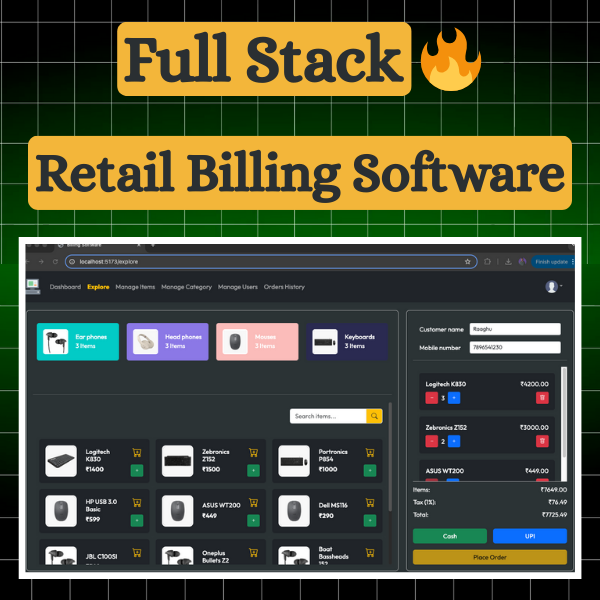
Retail Billing Software - Spring Boot and React
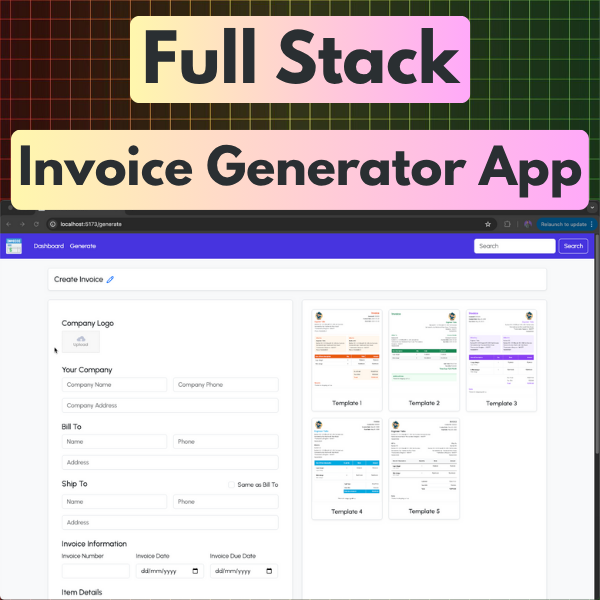
Invoice Generator Web App | College Project 2025
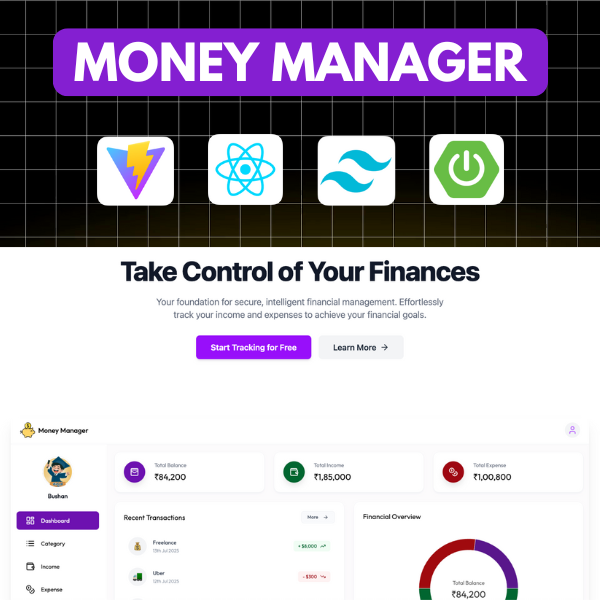
Money Manager: Premium React & Spring Boot Project
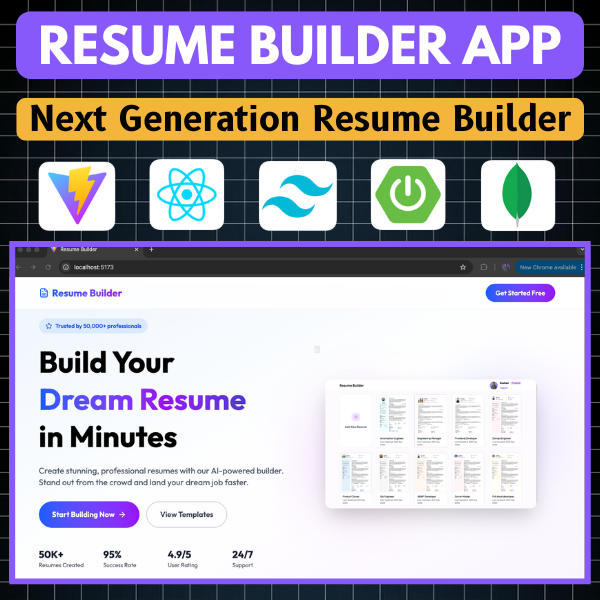
Build a Production-Ready Resume Builder App
Ask Me Anything
About me
- Level Up Your Java Development Skillshttps://www.udemy.com/course/build-production-ready-rest-api-with-spring-boot-expense-manager-api/

Frequently asked questions
What is Spring Boot in Java?
Spring Boot is a Java framework built on top of the Spring ecosystem that lets you create production-ready applications with minimal manual configuration. It provides auto-configuration, an embedded server (Tomcat by default), and starter dependencies that bundle everything you need, so you can go from idea to a running REST API in minutes. When a job description mentions Spring Boot in Java, it means building backend services, REST APIs and microservices with it — which is why it is the most important framework for backend Java roles in India.
How to create a Spring Boot application?
The fastest way is Spring Initializr: choose Maven and Java, add dependencies like Spring Web, Spring Data JPA and MySQL Driver, generate the project and import it into IntelliJ IDEA or Eclipse. After writing a simple REST controller, run the app by starting the main @SpringBootApplication class from your IDE or by executing mvn spring-boot:run in the terminal. Beginners often get confused about how to run a Spring Boot application the first time — if it doesn't start, check the port in application.properties and read the console logs. A good first exercise is a small CRUD API, like a todo application, since it covers controllers, services and the database.
Which Spring Boot tutorial is best for beginners?
The best Spring Boot tutorial is one where you build something after every section instead of just watching. Pick one that covers project setup, REST APIs, Spring Data JPA with MySQL, validation and basic Spring Security, and ends with a complete project you can put on your resume. Free playlists and the official Spring documentation are more than enough to start. Once comfortable, move to guided project building — for example a todo application or a portfolio website — and ideally get your code reviewed by an experienced developer so you fix bad habits early.
How do I prepare for Spring Boot interview questions?
Most Spring Boot interview questions come from a predictable set of topics: auto-configuration and @SpringBootApplication, starters, key annotations like @RestController and @Autowired, Spring Data JPA, exception handling, bean scopes and lifecycle, and how Spring Boot differs from plain Spring. Add Spring Security basics and Actuator for extra depth. Then prepare to explain your own projects end to end, because interviewers dig into your code. Finally, practise speaking your answers out loud — a mock interview with an experienced developer is the fastest way to find gaps before the real interview.
What is a Java full stack developer?
A Java full stack developer is someone who can build both the frontend and the backend of a web application using the Java ecosystem. The backend side typically means Core Java, Spring Boot, REST APIs, Hibernate/JPA and MySQL; the frontend side means HTML, CSS, modern JavaScript and a framework like React or Angular; plus Git, Docker and cloud basics like AWS for deployment. Because one person can take a feature from database design to a working UI, Java full stack developer skills remain among the most in-demand in India's IT job market.
How to become a Java full stack developer?
A practical Java full stack developer roadmap looks like this: master Core Java (OOPs, collections, multithreading), learn SQL and MySQL, move to Spring Boot and build REST APIs, add Hibernate/JPA, pick React or Angular for the frontend, and finish with Git, Docker and basic AWS deployment — building a project at every stage. Freshers should focus on 2–3 solid portfolio projects, while working professionals can rebuild a real feature from their domain as a personal project. If you keep losing direction, a 1:1 mentorship session with an experienced full stack engineer can compress months of trial and error into weeks.
How to learn Java full stack development for free?
You can genuinely learn Java full stack development for free — thousands of developers in India have done exactly that. Use free YouTube playlists for Core Java, Spring Boot and React, the official Spring documentation for depth, and free coding platforms for practice. The non-negotiable part is building projects as you learn, because tutorials alone don't get you hired. Free resources give you knowledge but not direction, so if you find yourself hopping between tutorials, one mentorship call can help you convert free content into a structured weekly plan.
Do I need a Java full stack developer course to get a job?
No, a Java full stack developer course is not mandatory — companies hire based on what you can demonstrate, not certificates. What actually gets you shortlisted is Core Java clarity, working Spring Boot projects, SQL proficiency and a well-presented resume. A structured course or mentorship simply shortens the learning curve and keeps you accountable, which helps if you are self-studying. If budget is a constraint, combine free resources with 2–3 strong projects and get your resume reviewed by someone who has actually worked on hiring — that combination is enough to land your first Java full stack role.
Are Java full stack developer jobs in demand in India?
Yes — Java powers a large share of enterprise systems in banking, healthcare, e-commerce and IT services, so Java full stack developer jobs are consistently posted by both product companies and service-based MNCs in India. Freshers usually enter through service companies and startups, while developers with strong Spring Boot, microservices and AWS experience move into better-paying product roles. Entry-level competition is real, so candidates with genuine projects and solid interview fundamentals stand out quickly.
What are the most common Java full stack developer interview questions?
Java full stack developer interview questions usually span four areas: Core Java (OOPs, collections, multithreading, JVM basics), Spring Boot and REST APIs, SQL (joins, indexes, transactions), and frontend fundamentals (JavaScript, React or Angular basics). Expect coding rounds plus deep dives into your own projects — why you designed the schema that way, why you chose a technology, how you handled errors. Since the panel tests both sides of the stack, a mock interview that simulates the full round is one of the fastest ways to prepare.
What is Spring Boot microservices architecture?
In a Spring Boot microservices architecture, a large application is broken into small, independently deployable services — for example order, payment and notification services — each with its own database and deployment pipeline. Services communicate over REST or messaging, and Spring Cloud components like an API gateway, Eureka service discovery and a config server hold the setup together. Compared to a monolith, this lets teams scale and release individual features independently, which is why most new enterprise systems follow this style.
How to create a Spring Boot microservices project?
Start small — two or three services are enough to learn the concepts. Create each service separately using Spring Initializr (for example an order service, a payment service and an API gateway), give each service its own database, register them with Eureka for service discovery, and use Spring Cloud Gateway for routing plus OpenFeign or WebClient for service-to-service calls. Dockerize each service so it can be deployed independently. Studying a complete Spring Boot microservices project with source code, or building one under a mentor who has shipped microservices to production, teaches you the design decisions tutorials usually skip.
What is an API gateway in Spring Boot microservices?
An API gateway in Spring Boot microservices is a single entry point that sits in front of all your services. Clients call the gateway instead of individual services, and it routes each request to the right service while handling cross-cutting concerns like authentication, rate limiting, logging and load balancing in one place. In the Spring ecosystem this is typically implemented with Spring Cloud Gateway, and it becomes essential once you have more than a couple of services, because it keeps the client simple and centralizes your security logic.
How to deploy Spring Boot microservices in AWS?
The most common approach: dockerize each microservice, push the image to a container registry like Amazon ECR, and run it on Amazon ECS (or EC2 instances) behind an Application Load Balancer. Externalise your configuration, use Amazon CloudWatch for logs and monitoring, and automate builds and deployments with a CI/CD tool like Jenkins or GitHub Actions. To deploy Spring Boot microservices in AWS smoothly, start with one service, get the full pipeline working end to end, and then replicate the same setup for the remaining services.
What are the common Spring Boot microservices interview questions?
Frequently asked Spring Boot microservices interview questions include: how microservices differ from a monolith and when to choose which, how services communicate (REST vs message queues), the role of an API gateway and service discovery, handling distributed transactions with the Saga pattern, circuit breakers and fault tolerance, and how you would scale or deploy microservices. Interviewers expect you to justify design decisions from your own project, so be ready to explain why you split services the way you did — a mock interview focused on microservices is a good way to practise these answers.