What You Build
Ship a real agent every week.
No toy demos. Each week you build and deploy something you could put in front of real users — from a tool-using assistant to a multi-agent pipeline with guardrails.
Tool-Using Assistant
Wire an LLM to real tools — search, code execution, and APIs — with structured function calling and reliable parsing.
Planning & Reasoning Loop
Build an agent that decomposes goals, plans steps, and self-corrects using ReAct and reflection patterns.
RAG-Powered Agent
Give your agent long-term memory and grounded knowledge with retrieval, chunking, and re-ranking.
Multi-Agent System
Orchestrate specialist agents that delegate, critique, and collaborate to solve tasks one agent can't.
Guardrails & Evals
Add input/output validation, cost controls, and an eval harness so you can measure quality before shipping.
Production Deployment
Deploy with observability, tracing, retries, and streaming — the unglamorous parts that make agents reliable.
Tools & Stack
The real-world tools you'll master.
Every tool here is industry-standard and has a free or open-source tier — so you can build everything in this cohort without paying for infrastructure.
Languages & Frameworks
Core build layer
Python
Building AI workflows and backend logic
FastAPI
Connecting AI systems to real apps via APIs
LangChain
Building LLM applications and agent workflows
LangGraph
Creating multi-step and multi-agent workflows
Streamlit
Building simple AI app demos and prototypes
Open-Source Models & Runtimes
Free & local
Llama
Exploring open-source LLMs locally or free
Mistral
Experimenting with open-source AI models
Ollama
Running open-source models locally
Hugging Face
Free models to experiment with open-source AI
RAG & Vector Search
Memory layer
ChromaDB
Storing embeddings and building RAG search
FAISS
Vector search and semantic retrieval
Free Vector DB Tiers
Building RAG and semantic search systems
Dev Environment
Where you work
VS Code
Writing, testing, and managing project code
Jupyter Notebook
Learning, experimenting, and prototyping
Google Colab
Free-tier notebooks and experiments
GitHub
Hosting code and portfolio projects
AI Coding Assistants
Vibe coding
Claude
Free tier for vibe coding, debugging, AI-assisted dev
ChatGPT
Free tier for brainstorming and prompting
Cursor
Free/trial tier for AI-assisted coding workflows
GitHub Copilot
Free/trial access for AI-powered coding support
Zero infra cost to learn. The entire stack runs on free tiers, open-source models, and local tools — so you can complete every project without a paid subscription.
Who It's For
Built for engineers who ship.
You're comfortable writing code and want to go deep on agents — not sit through another high-level overview.
Backend & Full-Stack Engineers
You ship features and want to add agentic capabilities to your products without hand-waving over the hard parts.
ML & Data Engineers
You know models but want to master the orchestration, tooling, and production patterns around them.
Tech Leads & Architects
You're making build-vs-buy calls on agent infra and need hands-on intuition for what actually works.
Founders & Indie Hackers
You're building an AI product and want to go from prototype to something reliable enough to charge for.
Prerequisites: Comfortable in Python and reading API docs. No prior ML or LLM experience required — we cover the foundations in Week 1.
Your Creators
Meet the people behind the cohort.
The creators and instructors who designed this program and guide you through every session.

Ankita Gulati
Data Engineer @ Microsoft · Ex-Walmart · Turning data into intelligent systems · Helping aspiring data engineers break in · Open to brand collabs & speaking

Pallav
Software Engineering Lead @ Microsoft · Specializing in Product Development · USC Graduate · Leveraging AI to do more with less

Karthick
AI/ML & Data Science Leader @ Microsoft · GenAI & Agentic AI Architect · LLMs, RAG, Multi-Agent Systems, MCP · Applied AI · Mentor & Speaker
Curriculum
Seven weeks, one agent at a time.
Each week pairs a concept session with a build session. Tap any week to see what's covered and what you'll ship.
You'll Learn
- How modern LLMs actually behave
- Prompting for structured output
- Function calling fundamentals
- Token, cost & latency basics
You'll Build
- A CLI assistant that calls one real tool
- Reliable JSON parsing with retries
You'll Learn
- The reason–act–observe loop
- Tool selection & routing
- Stopping conditions & loops control
You'll Build
- An agent with a multi-tool toolbox
- A trace viewer for every step
You'll Learn
- Embeddings & vector search
- Chunking & re-ranking strategies
- Short- vs long-term memory
You'll Build
- A RAG agent over your own docs
- Memory that persists across sessions
You'll Learn
- Supervisor & worker patterns
- Delegation & critique loops
- When multi-agent helps (and hurts)
You'll Build
- A research → write → review pipeline
- Inter-agent messaging
You'll Learn
- Input/output validation
- Building an eval harness
- Cost & safety guardrails
You'll Build
- An eval suite with regression tests
- Guardrails around an existing agent
You'll Learn
- Streaming, retries & timeouts
- Tracing & logging for agents
- Deployment patterns & scaling
You'll Build
- A deployed agent with full tracing
- A dashboard for cost & latency
You'll Do
- Scope & build your own agent
- 1:1 instructor review
- Present at live demo day
You'll Leave With
- A portfolio-ready agent project
- Completion certificate
Capstone
Pick a track. Ship it for real.
Your final two weeks go into a capstone you choose — with 1:1 mentorship and a demo day to show it off.
Track A
Customer Support Agent
- RAG over a knowledge base
- Escalation & handoff logic
- Guardrails + eval suite
Track B
Research / Analyst Agent
- Multi-step web research
- Source citing & synthesis
- Structured report output
Track C
Coding / DevTools Agent
- Code execution sandbox
- Repo-aware retrieval
- Test-driven self-correction
Track D
Your Own Idea
- Bring a problem from work
- Scope it with an instructor
- Ship a working prototype
Panelists
Panelists hearing your capstone.
Confirmed panelists will join your capstone presentations to hear your projects directly. If they like your work, they may want to hire you.
Confirmed
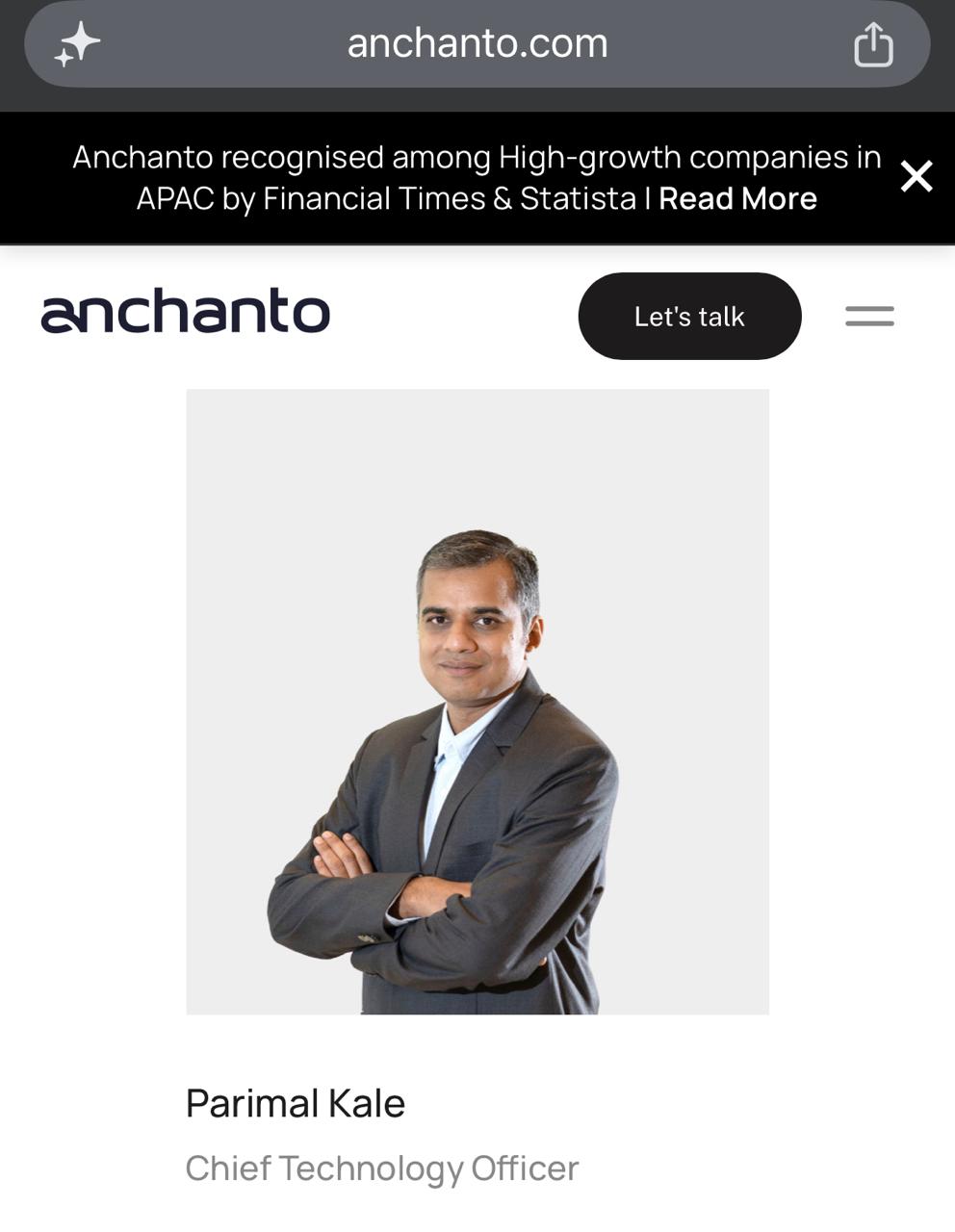
CTO
Anchanto · Pune-based multinational
Joining the capstone presentations to hear your projects.
Confirmed
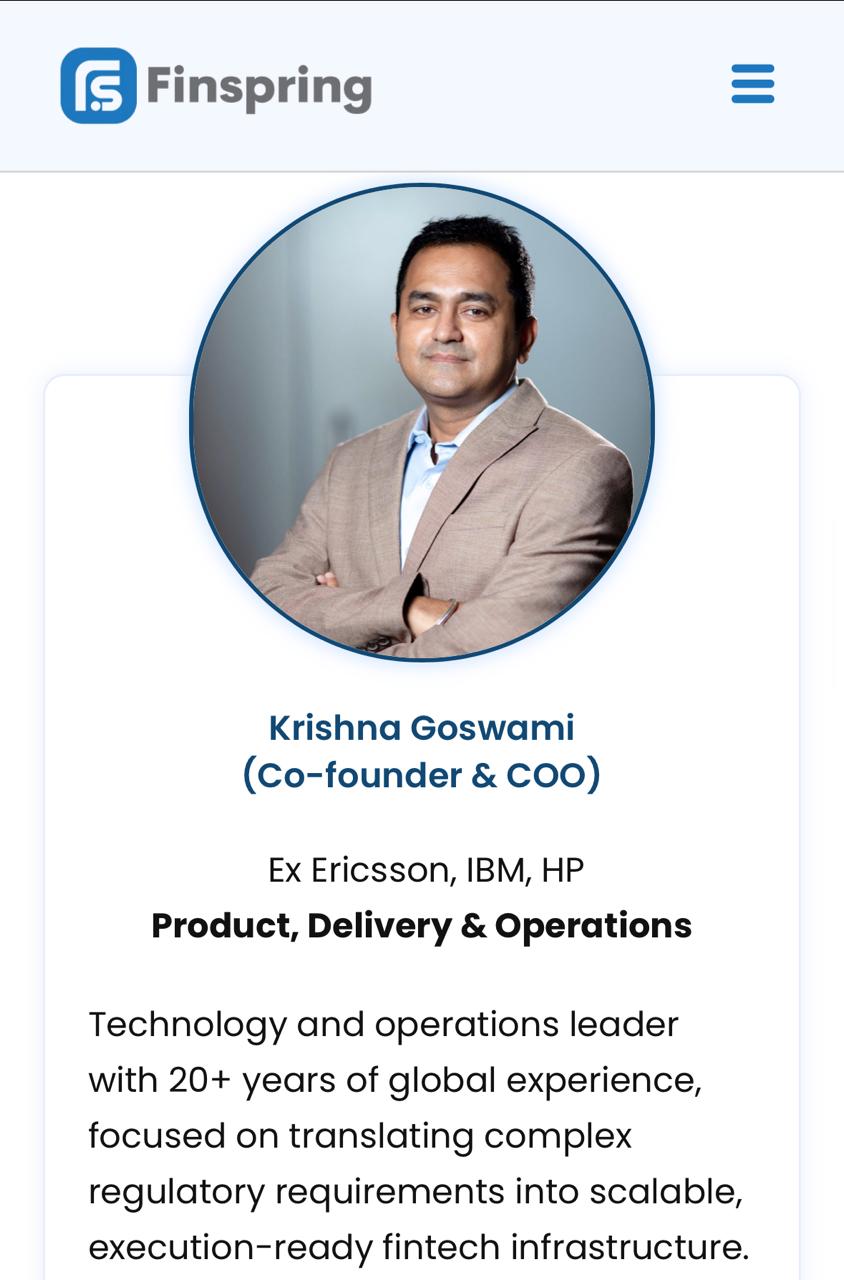
Panelist
Industry Leader
Really excited to hear about your projects.
Confirmed
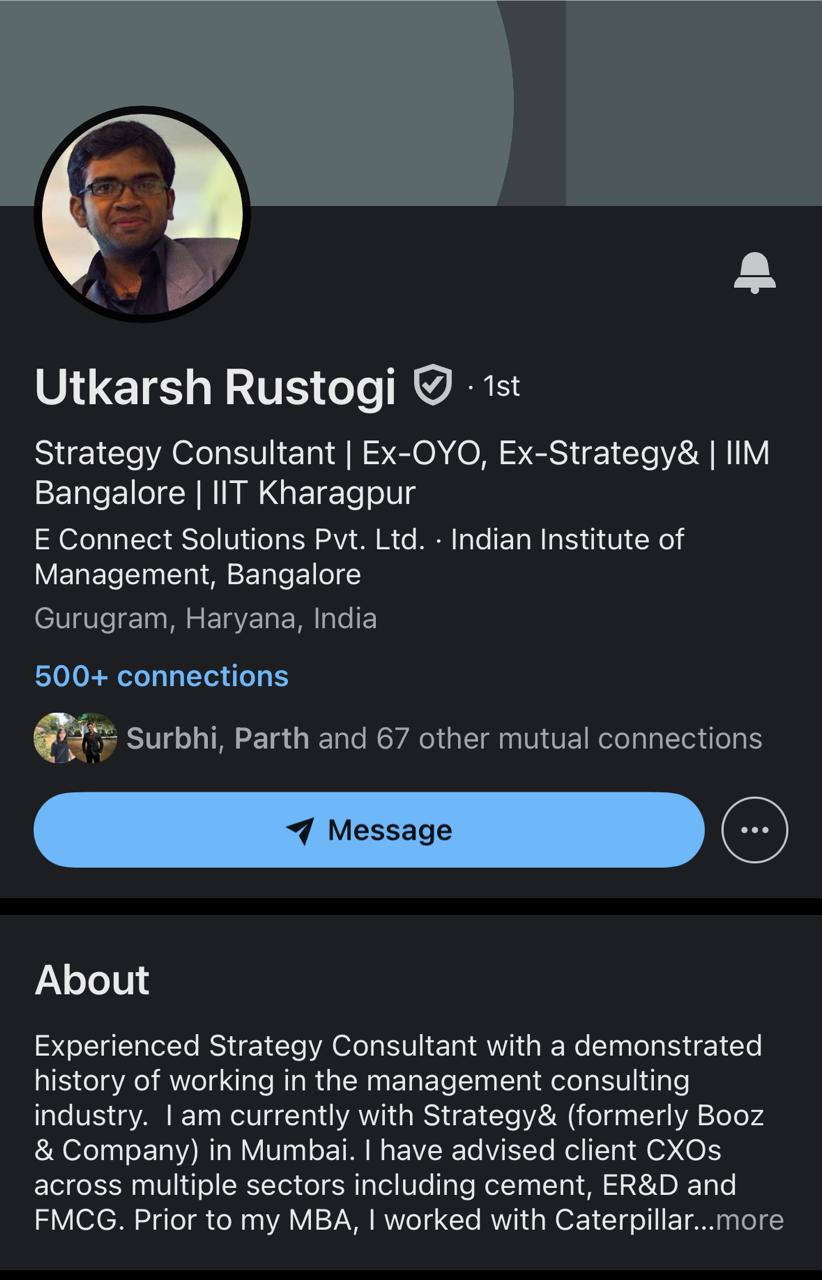
Panelist
Industry Leader
Interested to hear about your capstone project. Good luck — looking forward to your projects!
FAQ
Questions, answered.
Plan for around 6–8 hours weekly: two live sessions (about 90 minutes each) plus the weekly build. Sessions are recorded, so you can catch up if you miss one live.
Solid Python and comfort reading API documentation. You do not need prior machine learning or LLM experience — Week 1 covers the foundations everyone builds on.
The patterns are provider-agnostic, and we work with current frontier models and common open-source frameworks. The goal is transferable skill, not lock-in to one vendor.
Both. Sessions run live so you can ask questions in real time, and every session is recorded and posted within 24 hours along with code and resources.
Absolutely. We provide invoices suitable for learning-and-development budgets, and offer team discounts for three or more engineers from the same company.